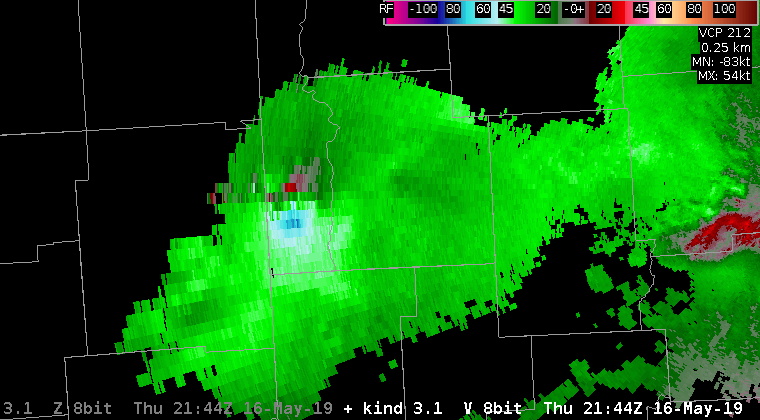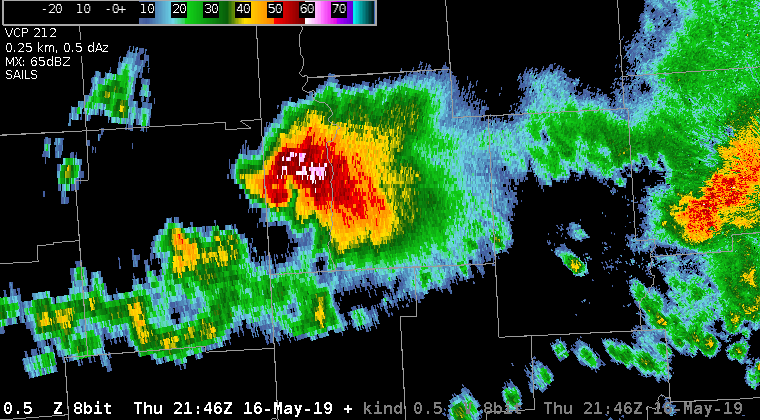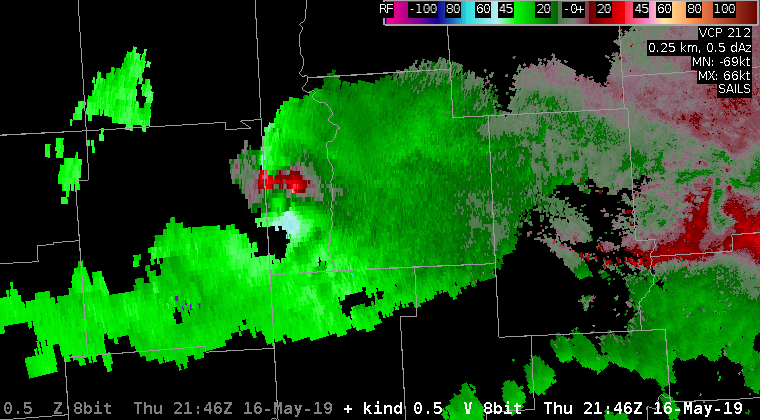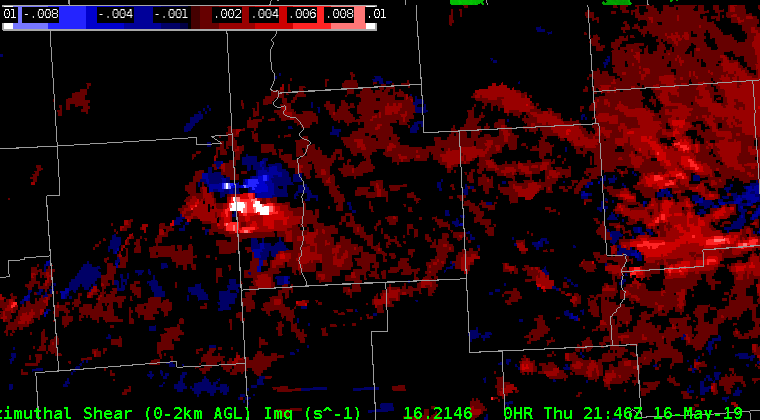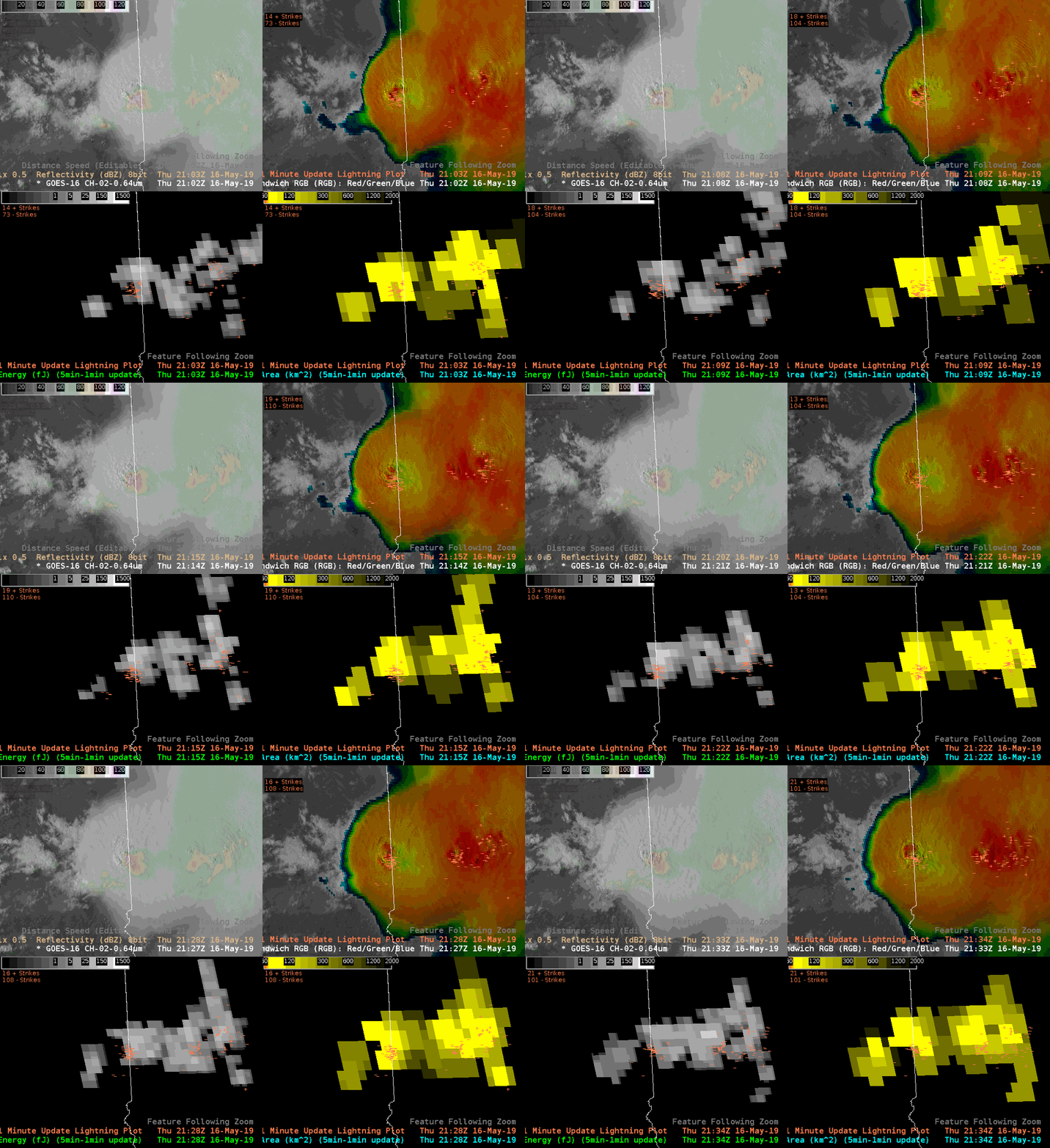
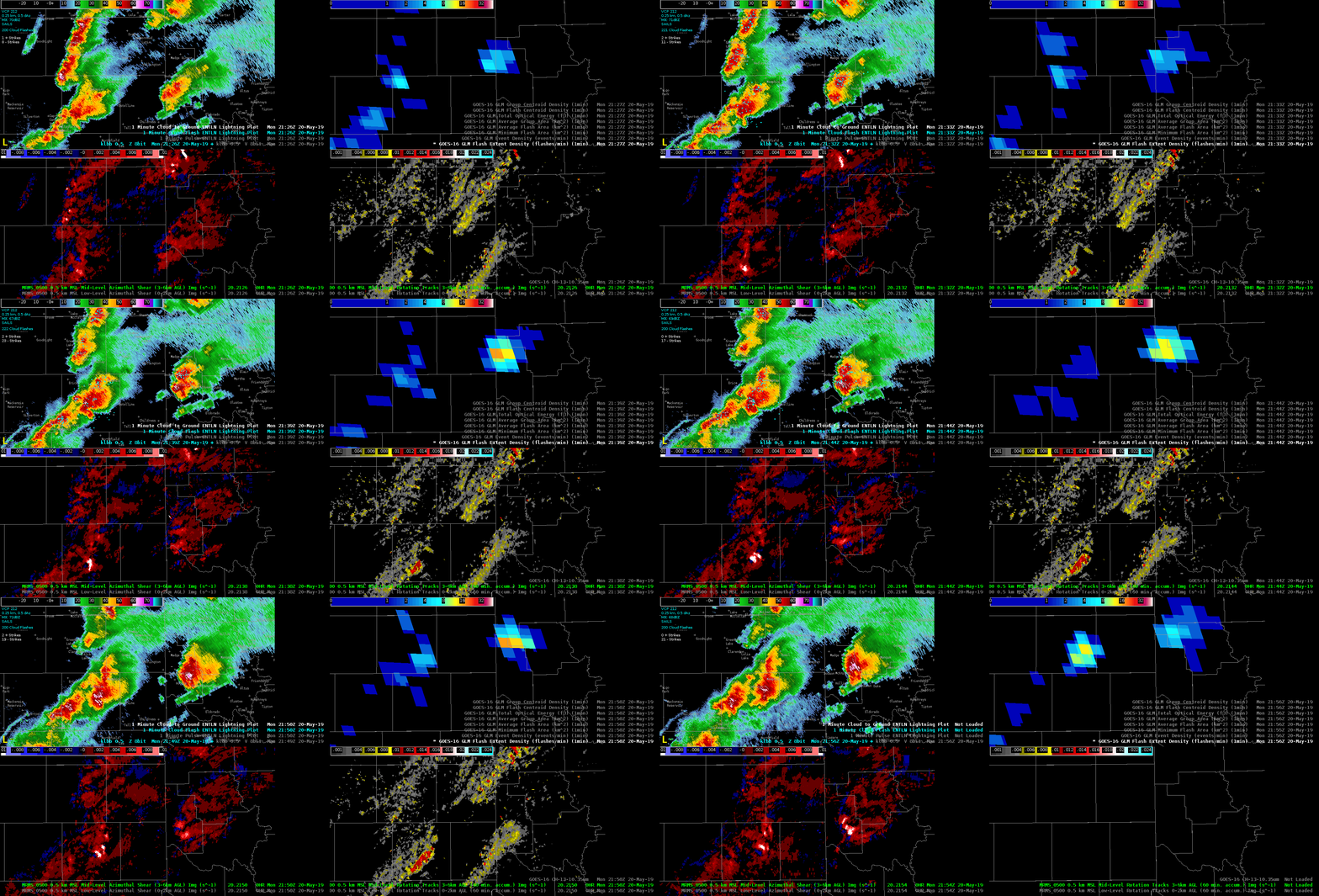
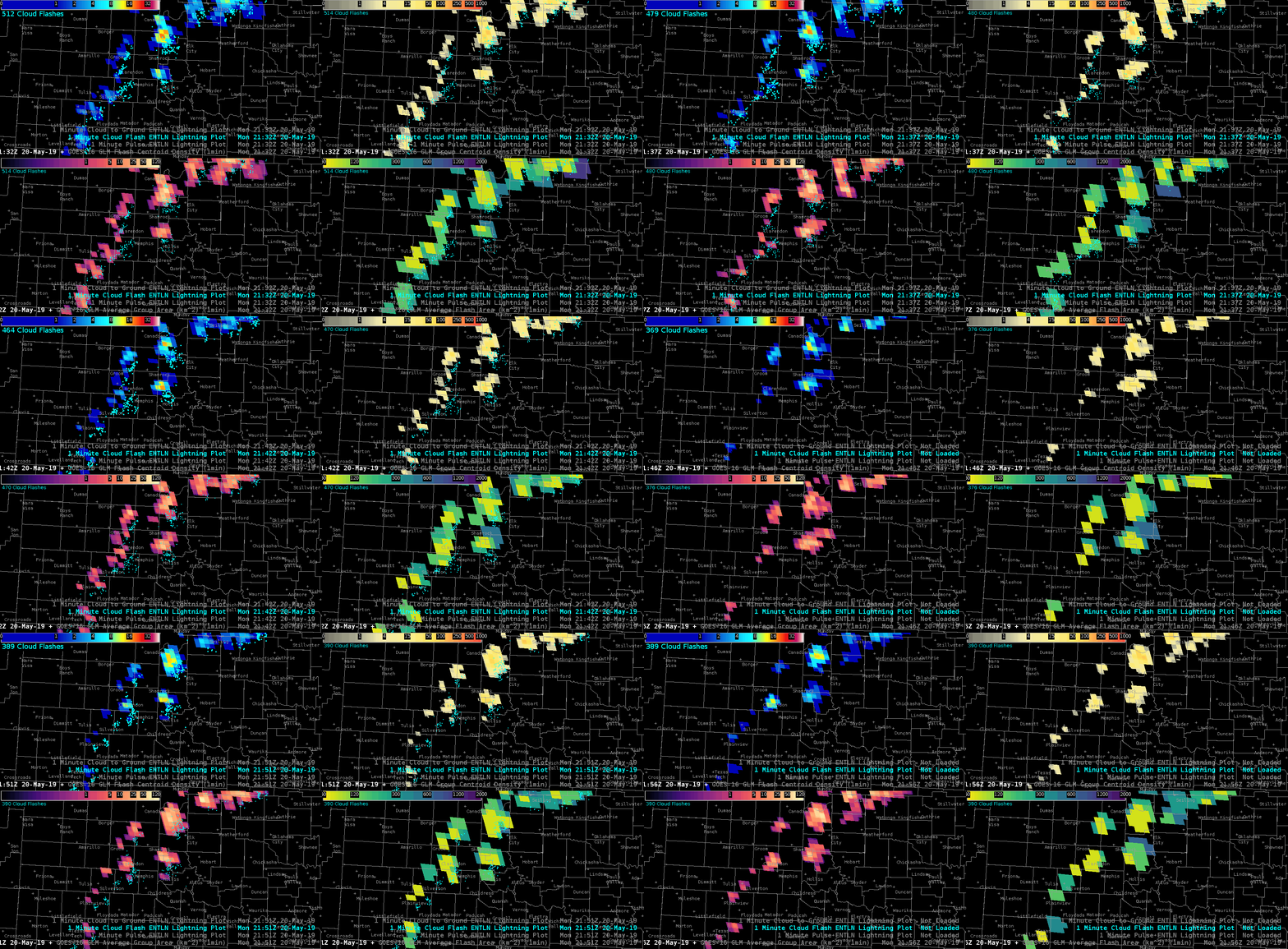
 Storm of interest is the supercell NW of Childress, TX. Increase in ENTLN lightning occurred before a substantial increase in the 0-2 km and 3-6 km MRMS azimuthal shear. The signal in the GLM flash extent density product was muted in comparison to ENTLN data. ProbTor went from 12% at 2124Z to 52% at 2130Z. At 2140Z, ProbTor peaked at 91%, which corresponded with the maximum 0-2 km MRMS azimuthal shear (0.20 S-1) associated with this rotation track. I frequently use the ENTLN data in operations and am trying to incorporate GLM products.
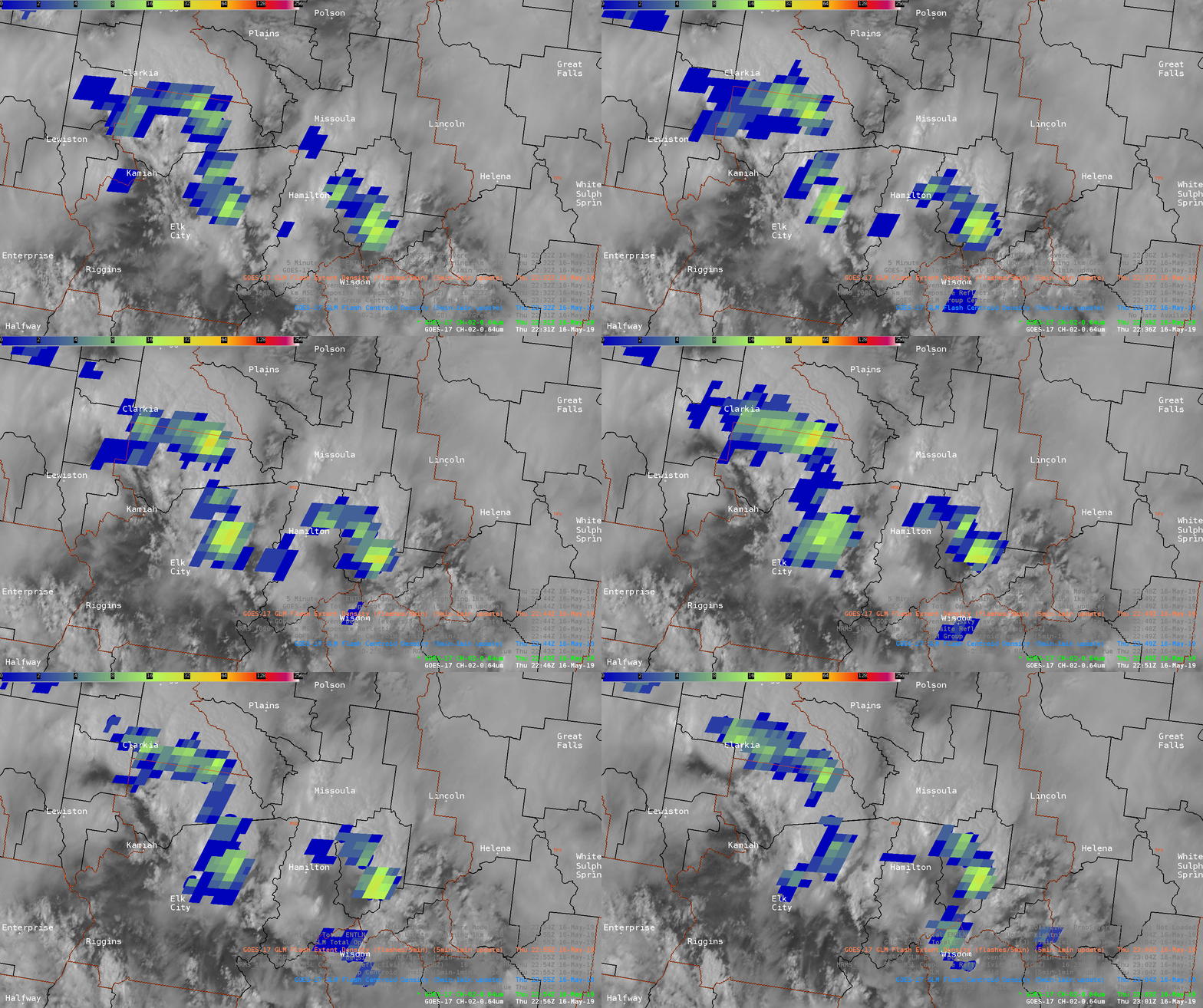
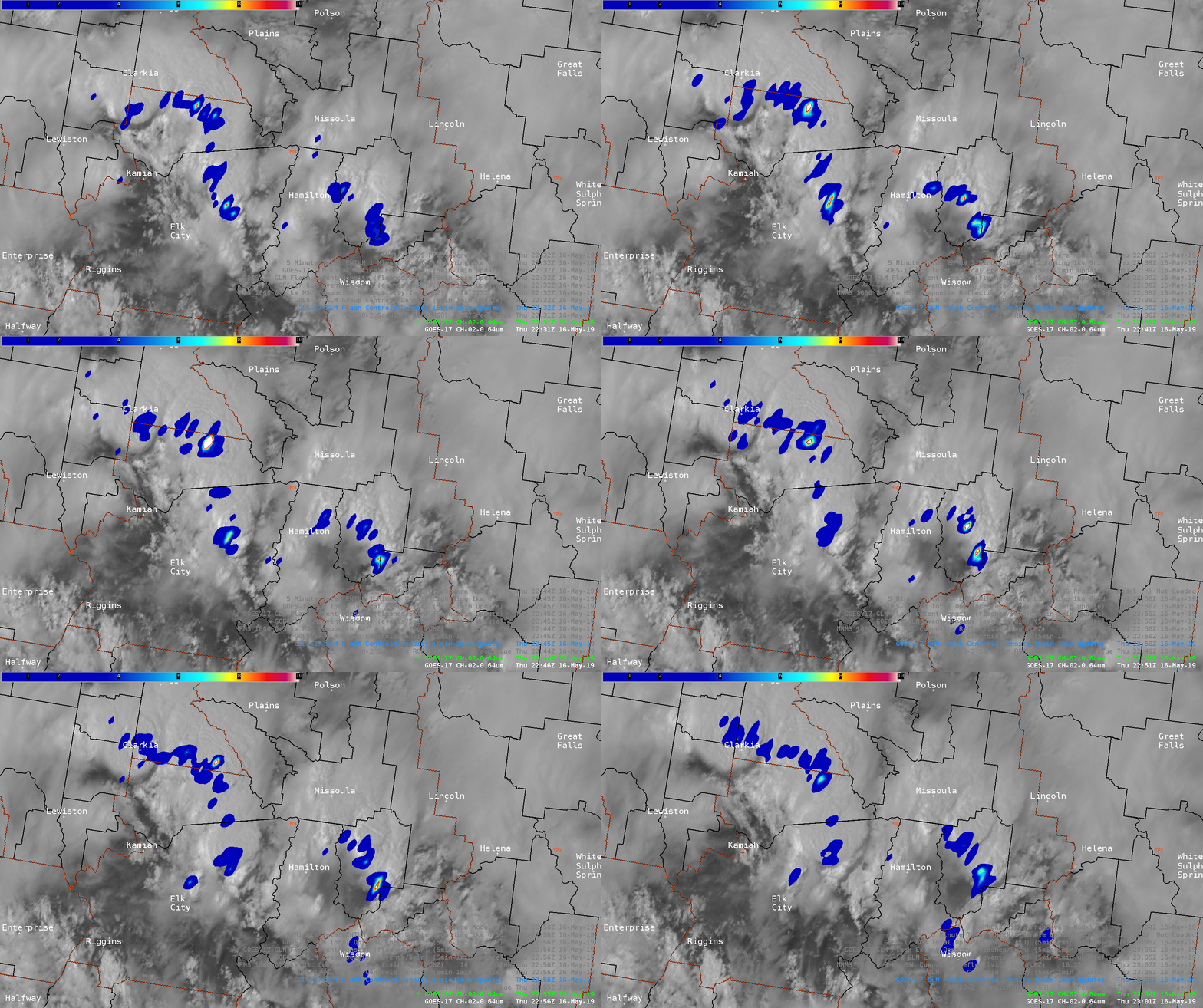
So far, the most useful GLM components, largely because of their visual representation and relationship to updraft growth rate or intensity, are the flash extent density and total optical energy. These two products helped me maintain situational awareness on individual storm intensity trends. Plotting the flash extent density and total optical energy in a four panel with GOES IR imagery and base radar data, I can quickly decipher which storms pose the greatest risk for severe weather. Roy
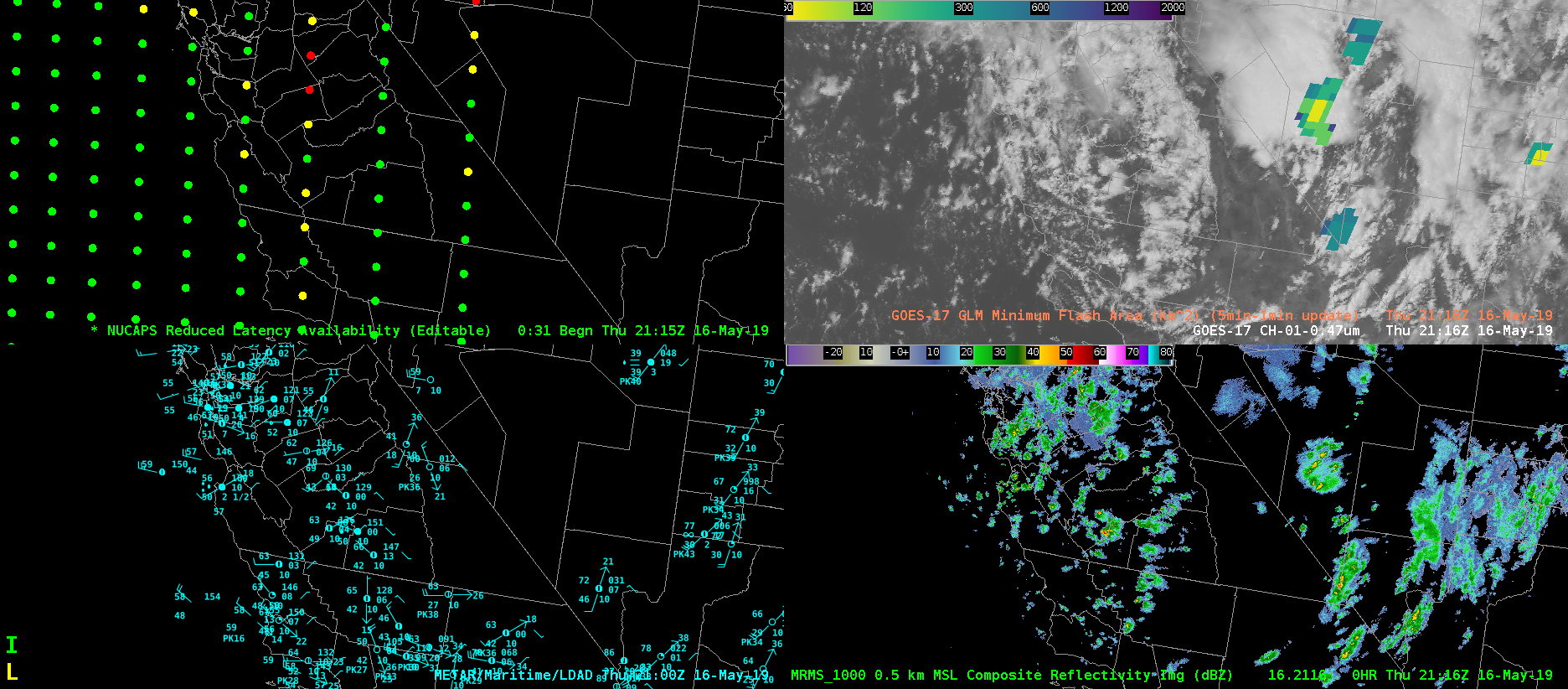
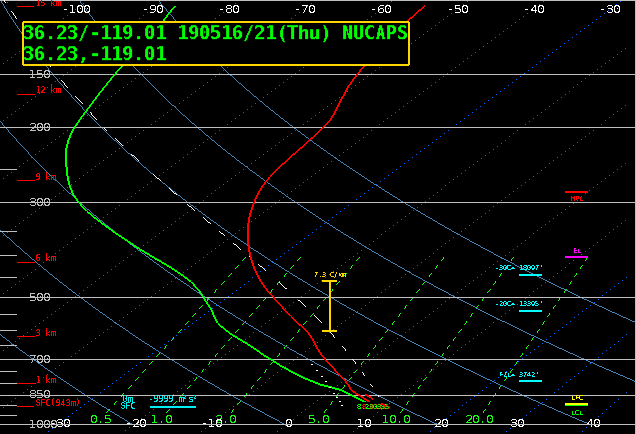
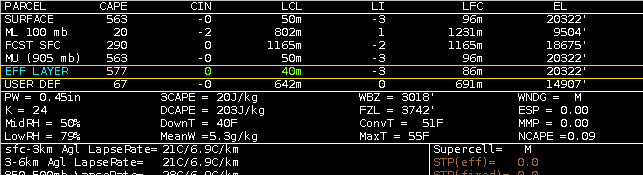
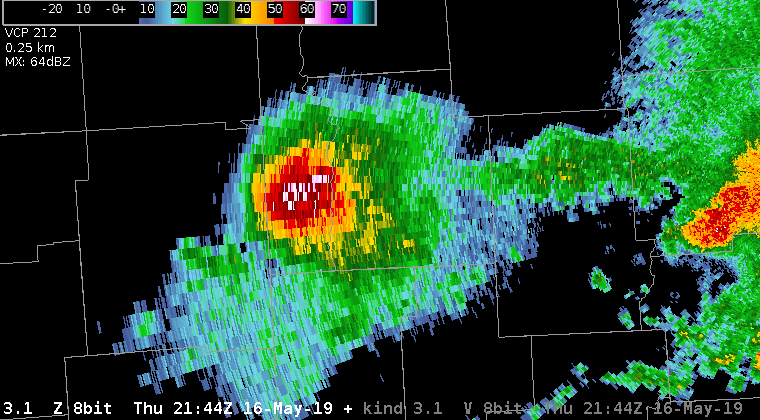
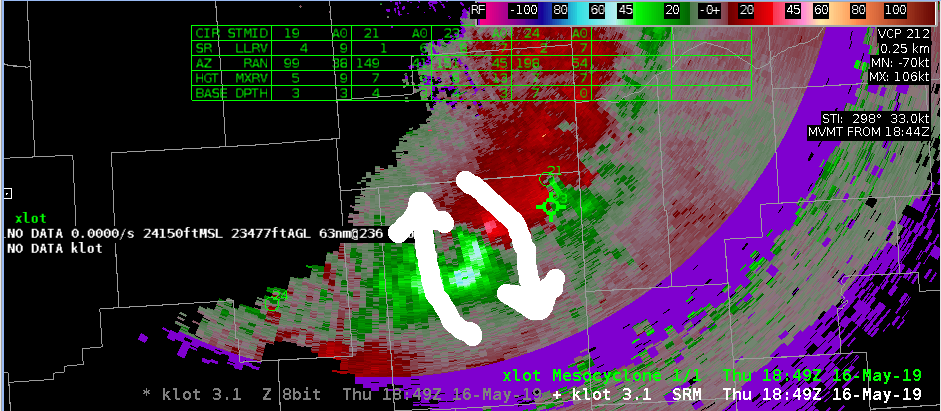
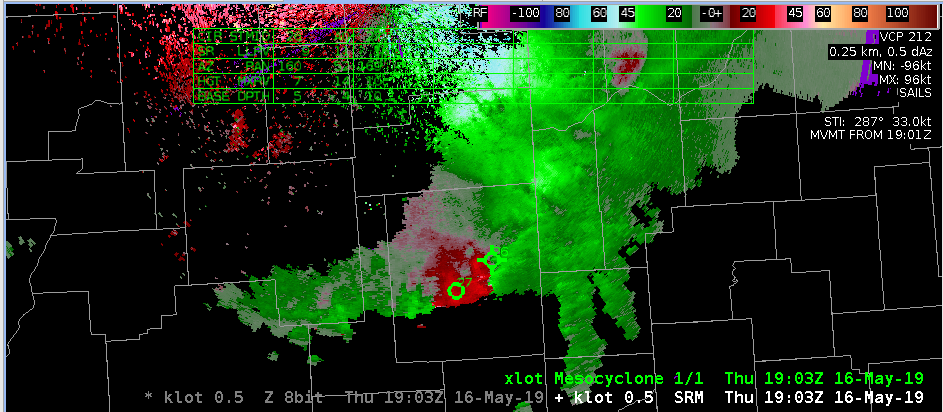
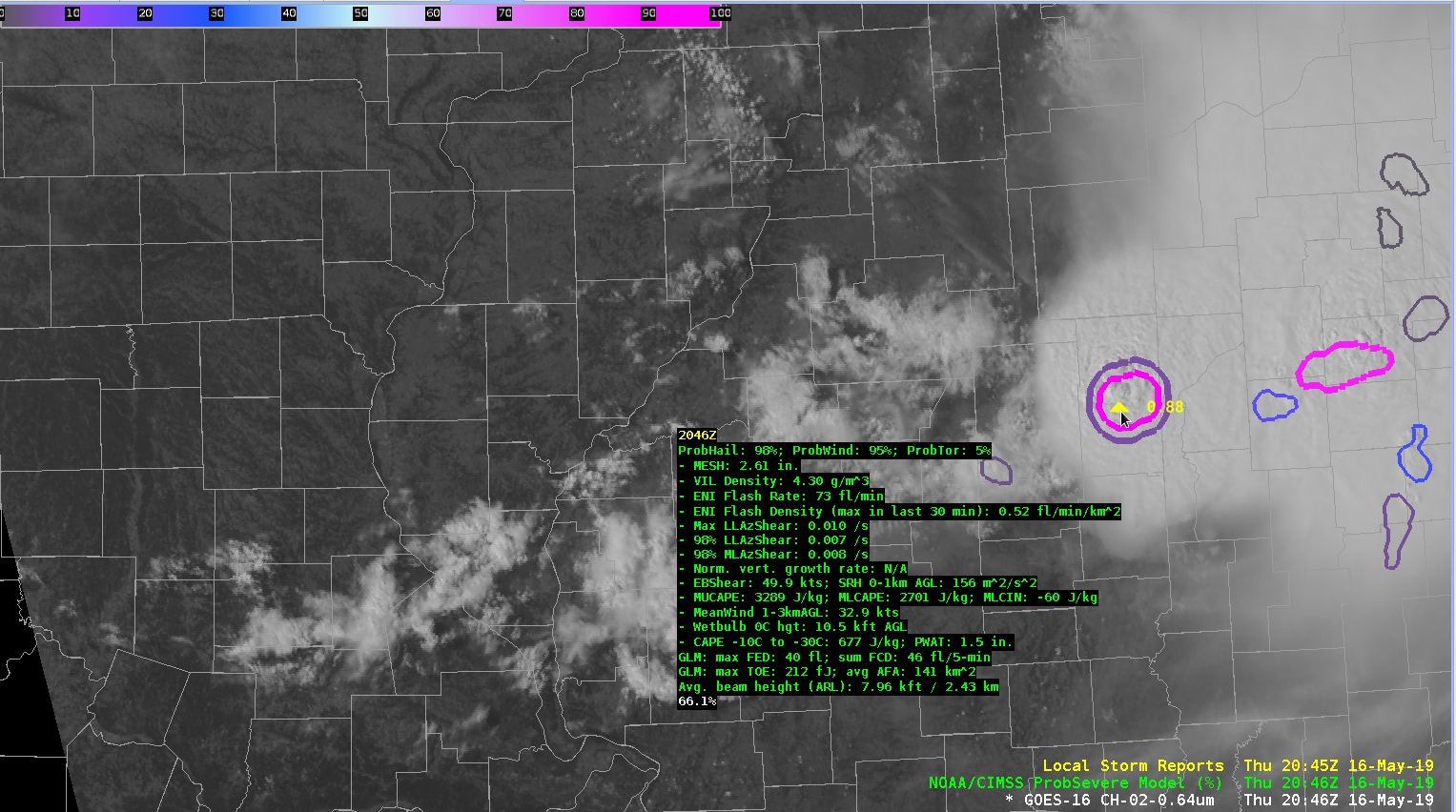
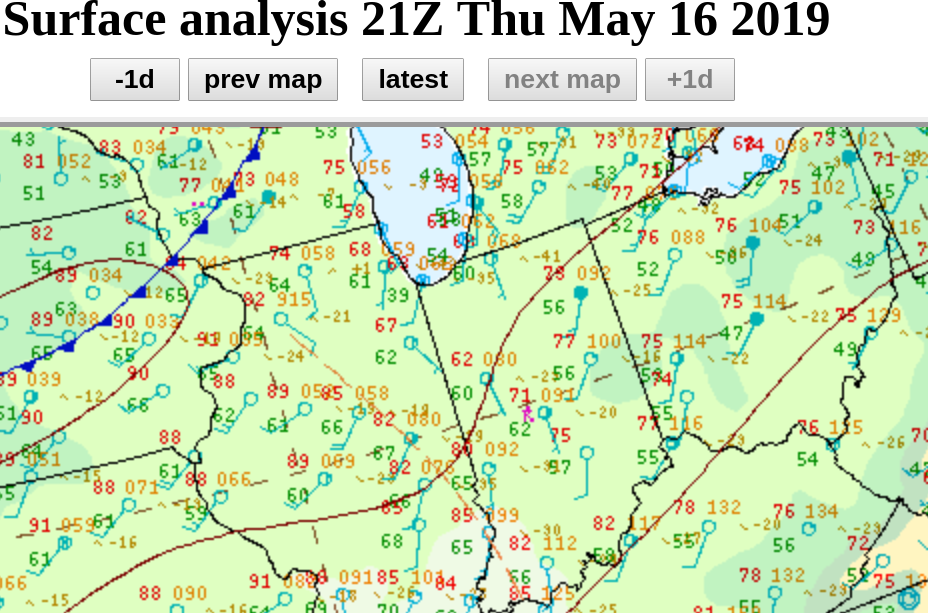 15 min prior to 1.75″ hail and 20 min prior to baseball-size hail, a supercell tracked NNW-SSE through Vermillion Co, IL …the Probsvr nailed the values for ProbHail at 96%, VILD 4.3, and a well defined TVS (100kt G-G) and strong MESO on NEXRAD ~ 7k’
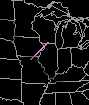
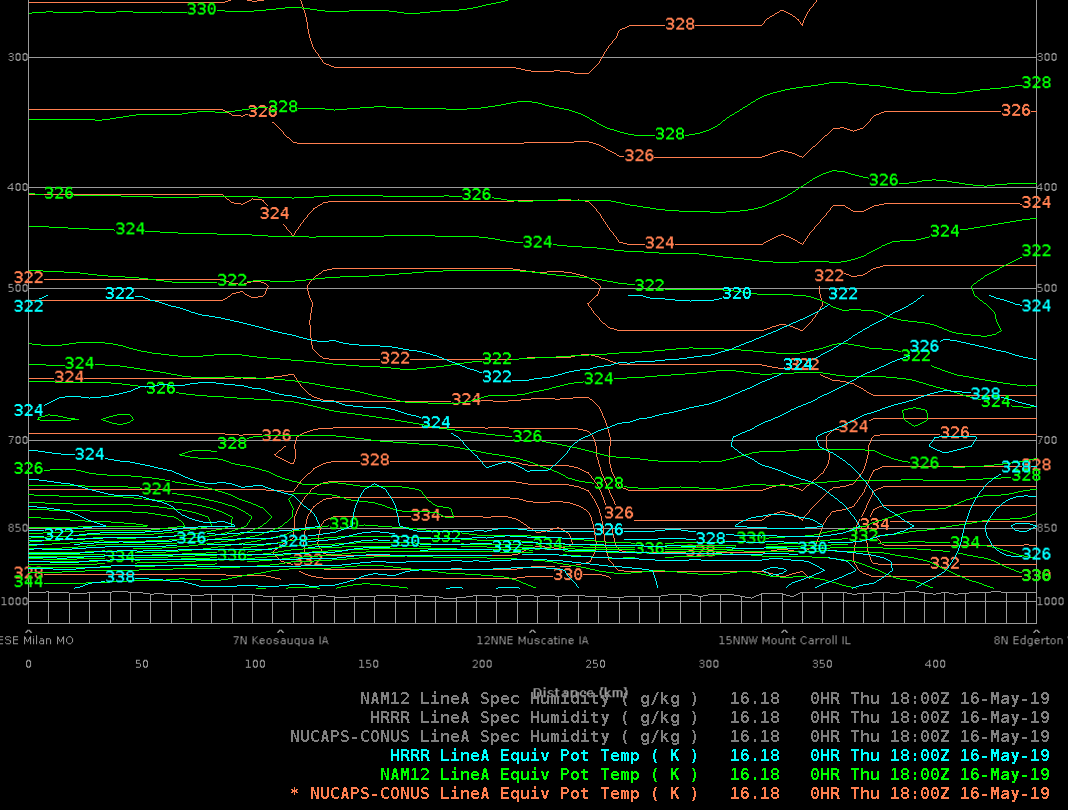
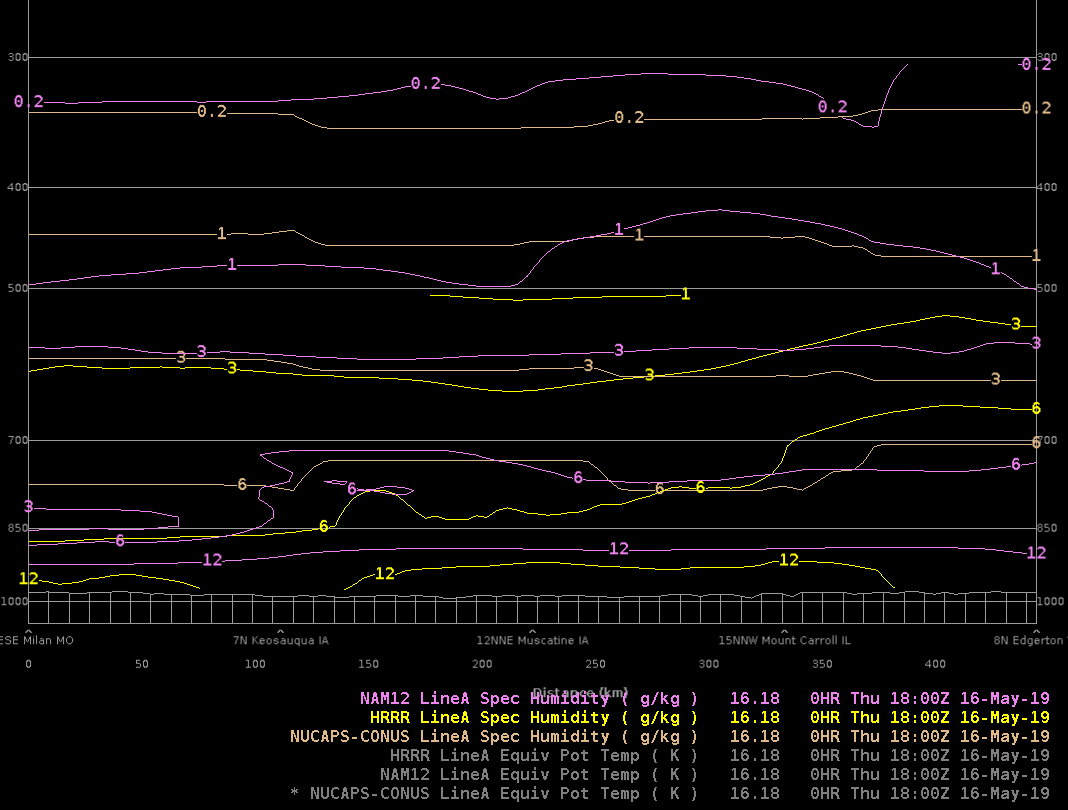
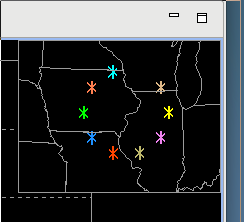
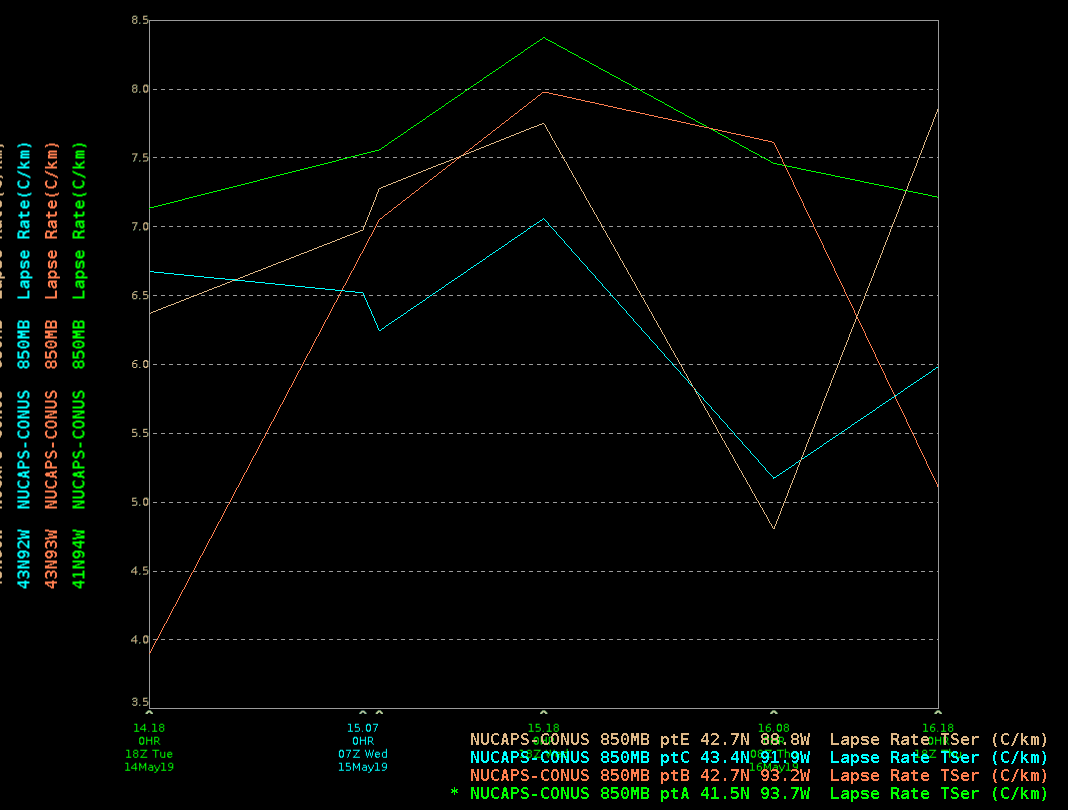
 NUCAPS SVR TS values kinda nailed it in Ern IL :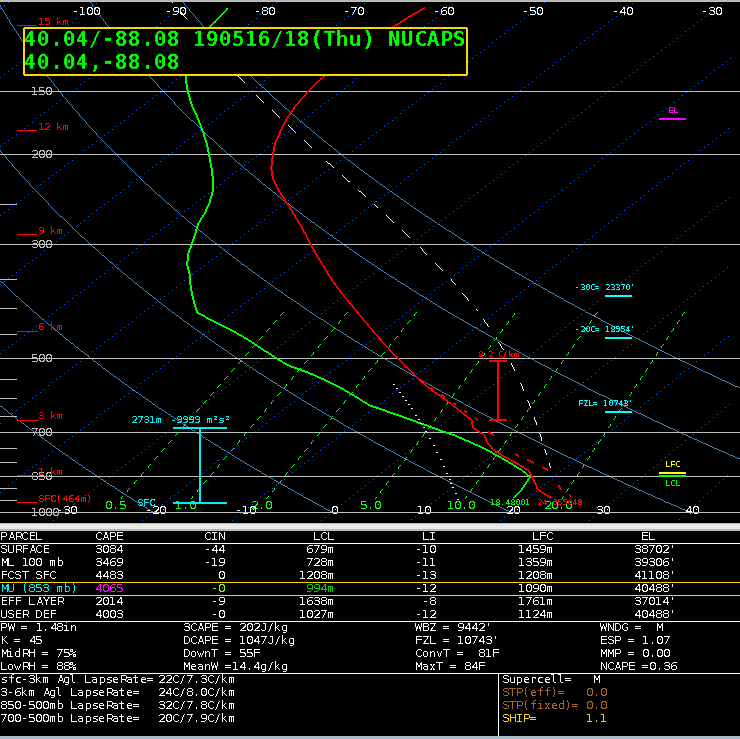
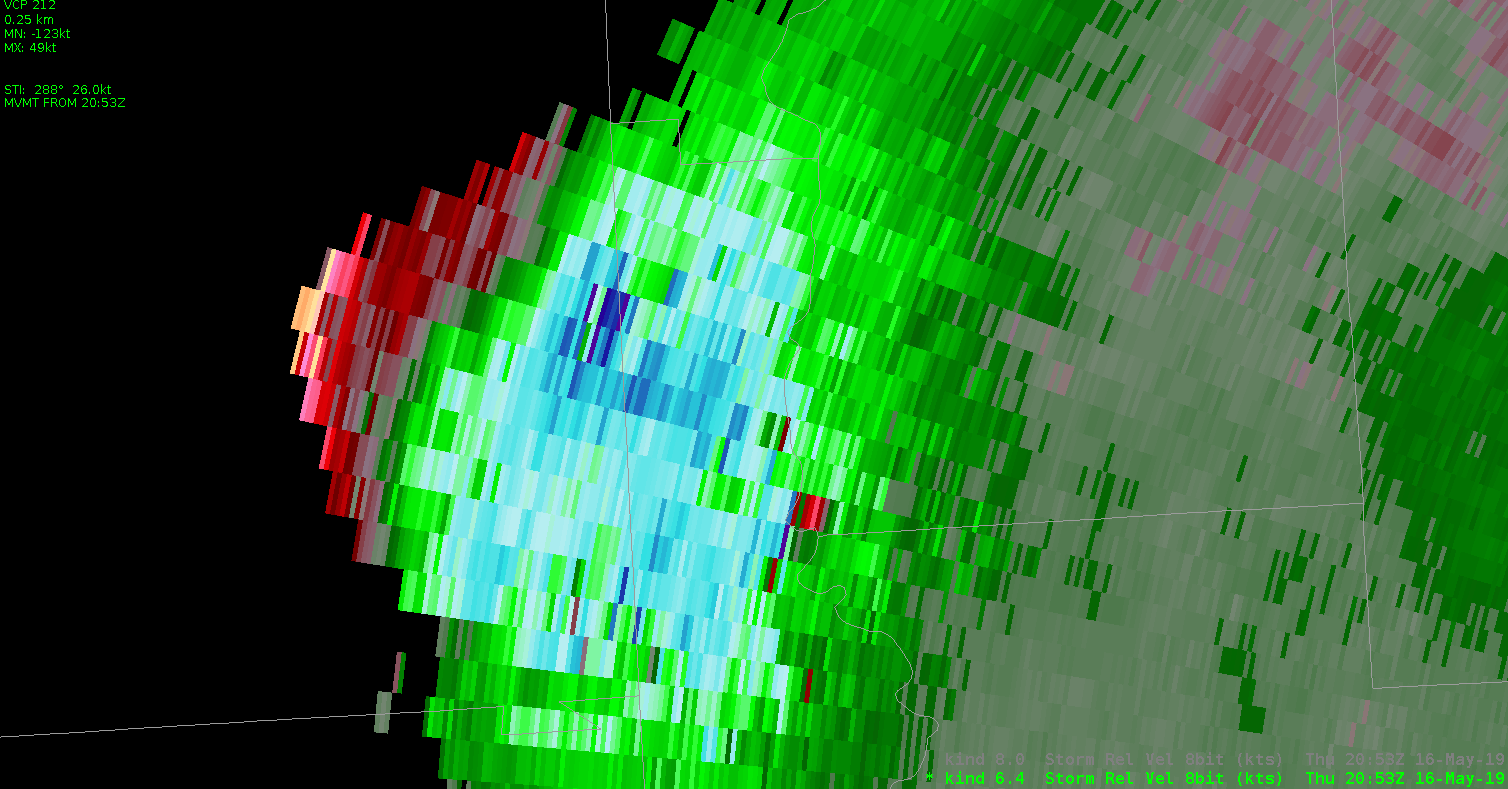 This storm is not diminishing, with Storm Top DIV remaining well over 100kt
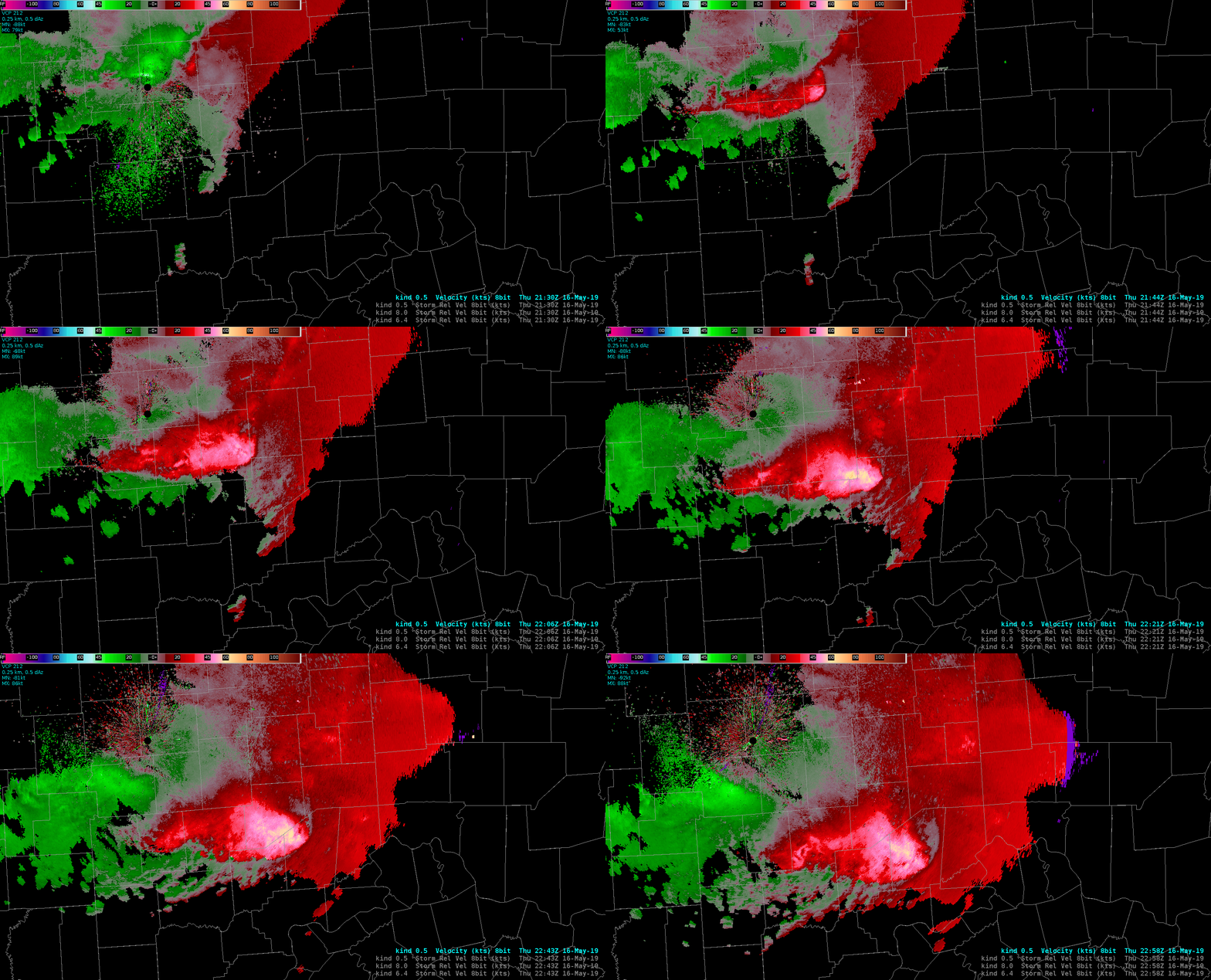
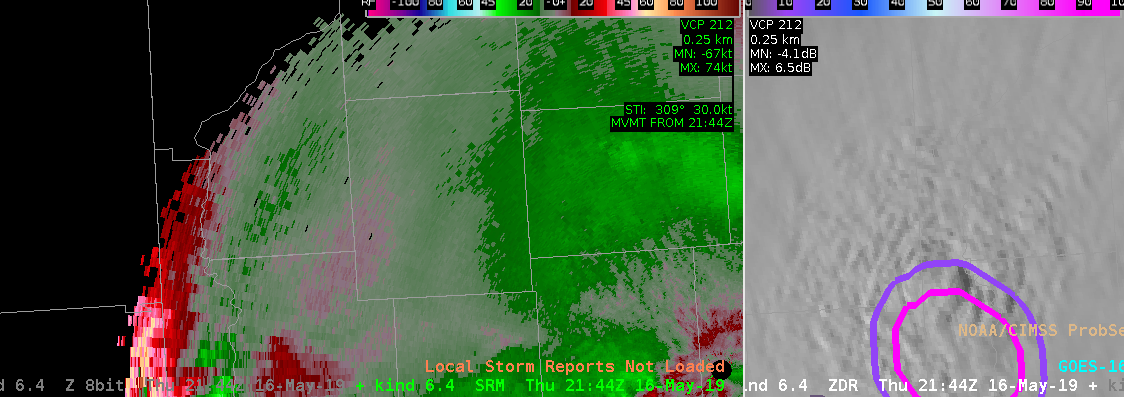 Eastern end of MCS continues to chug thru central IN (2130-2300z),
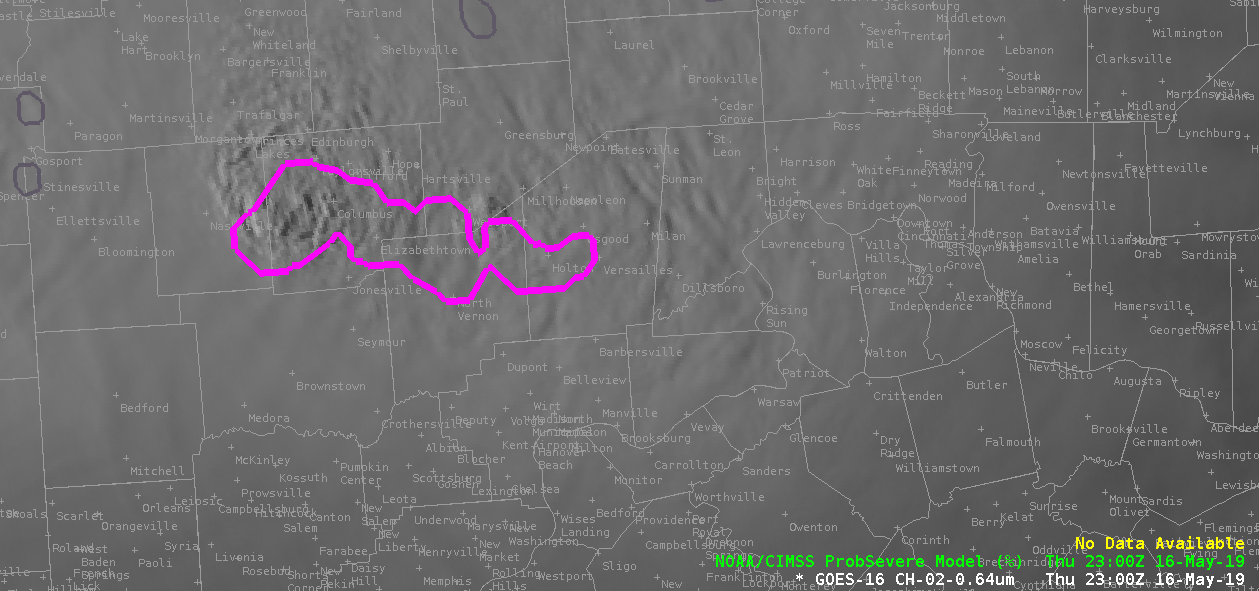
  ProbSVR ~ 23z looking good, more warnings on the way