



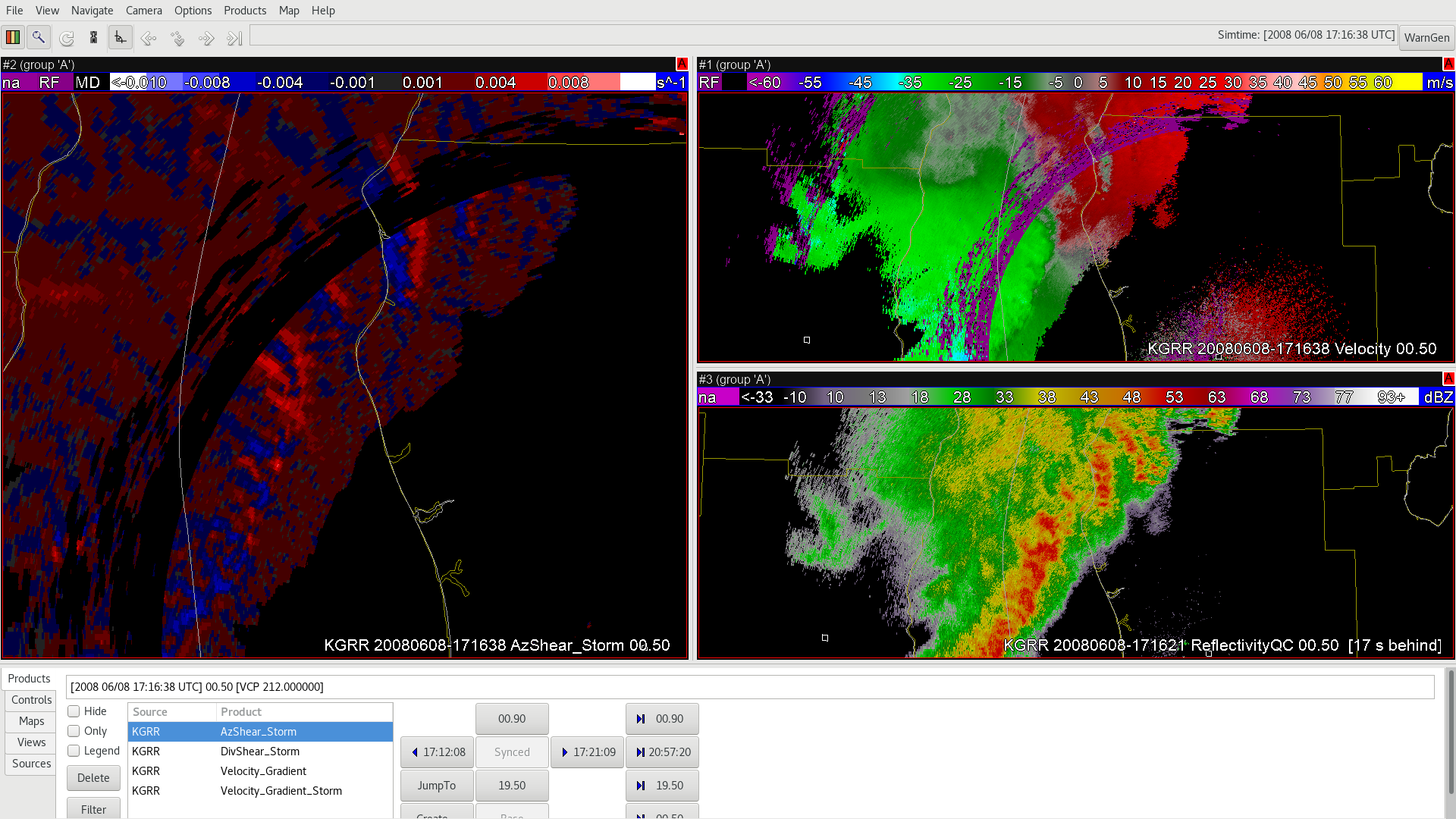
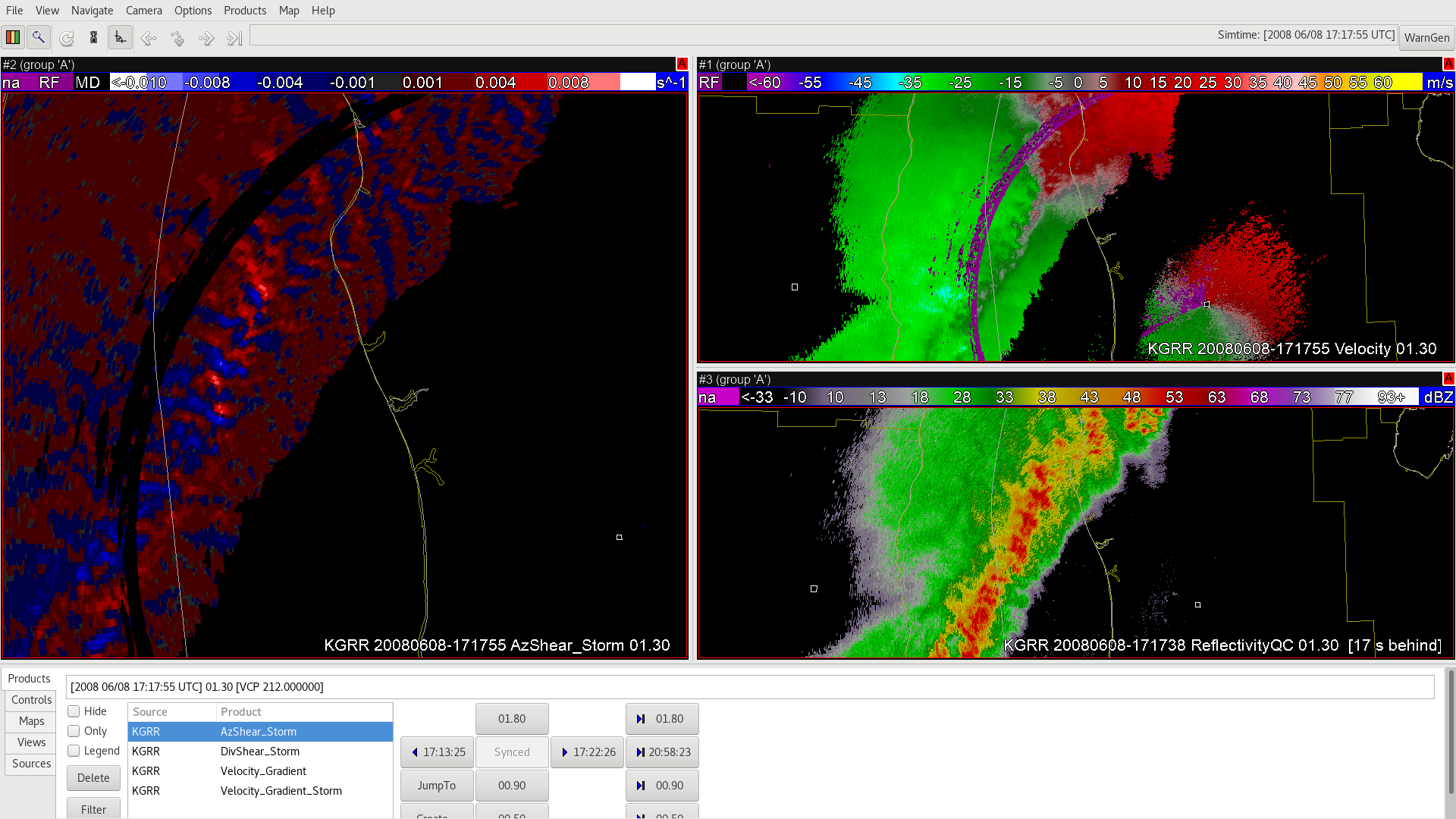
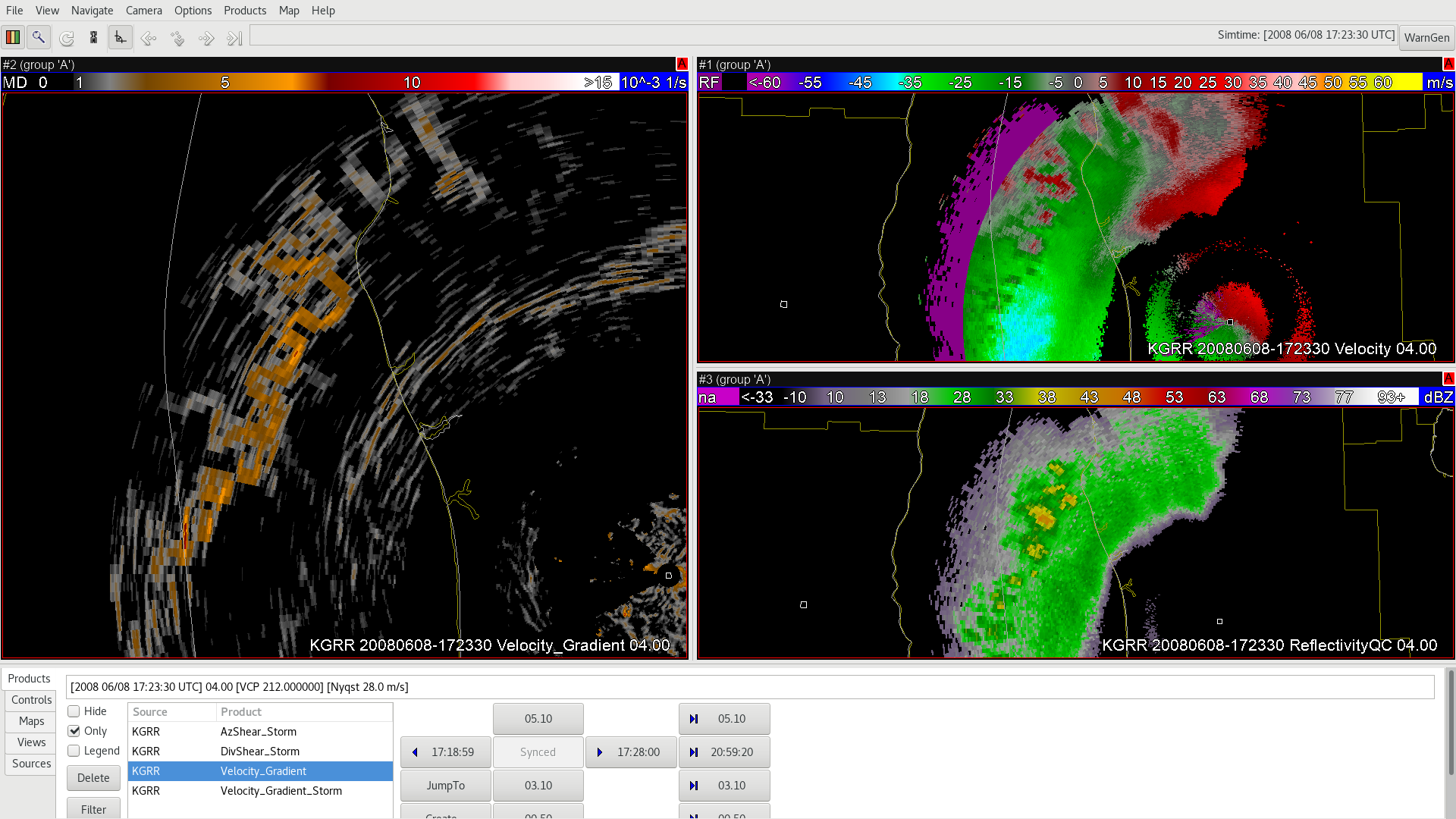
All righty, now let’s take a look at a maturing QLCS mesovortex, starting with AzShear…
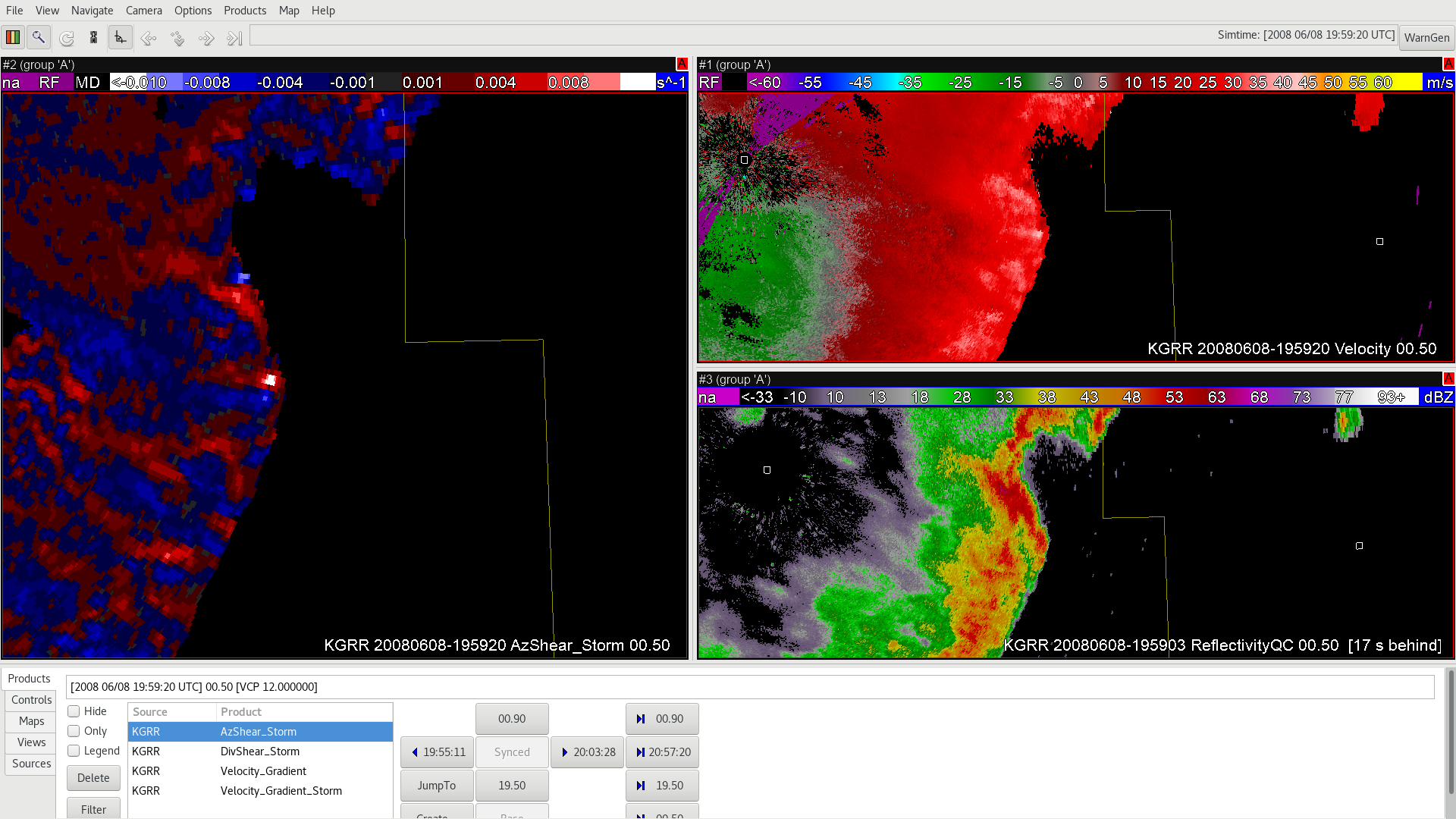
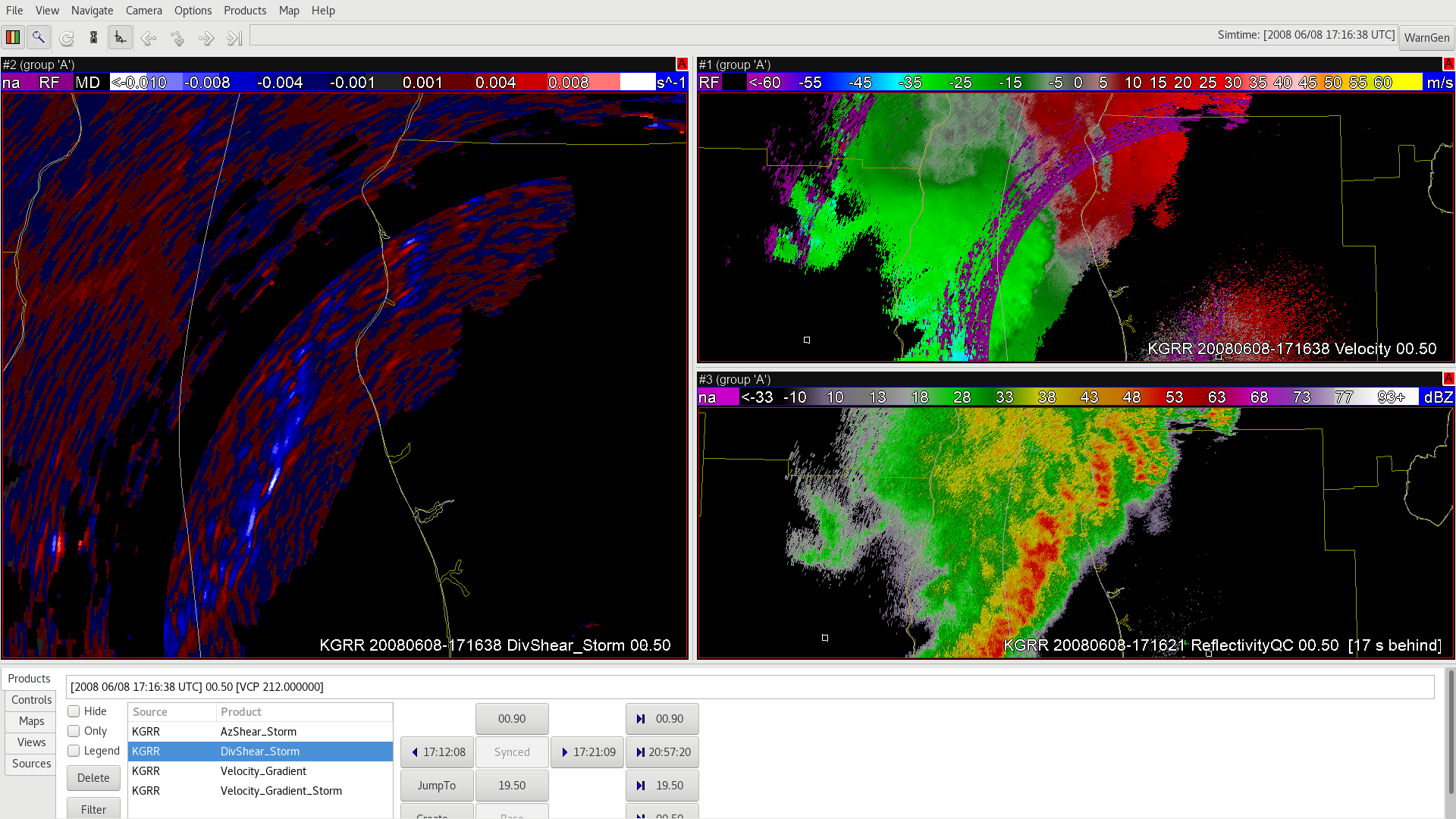
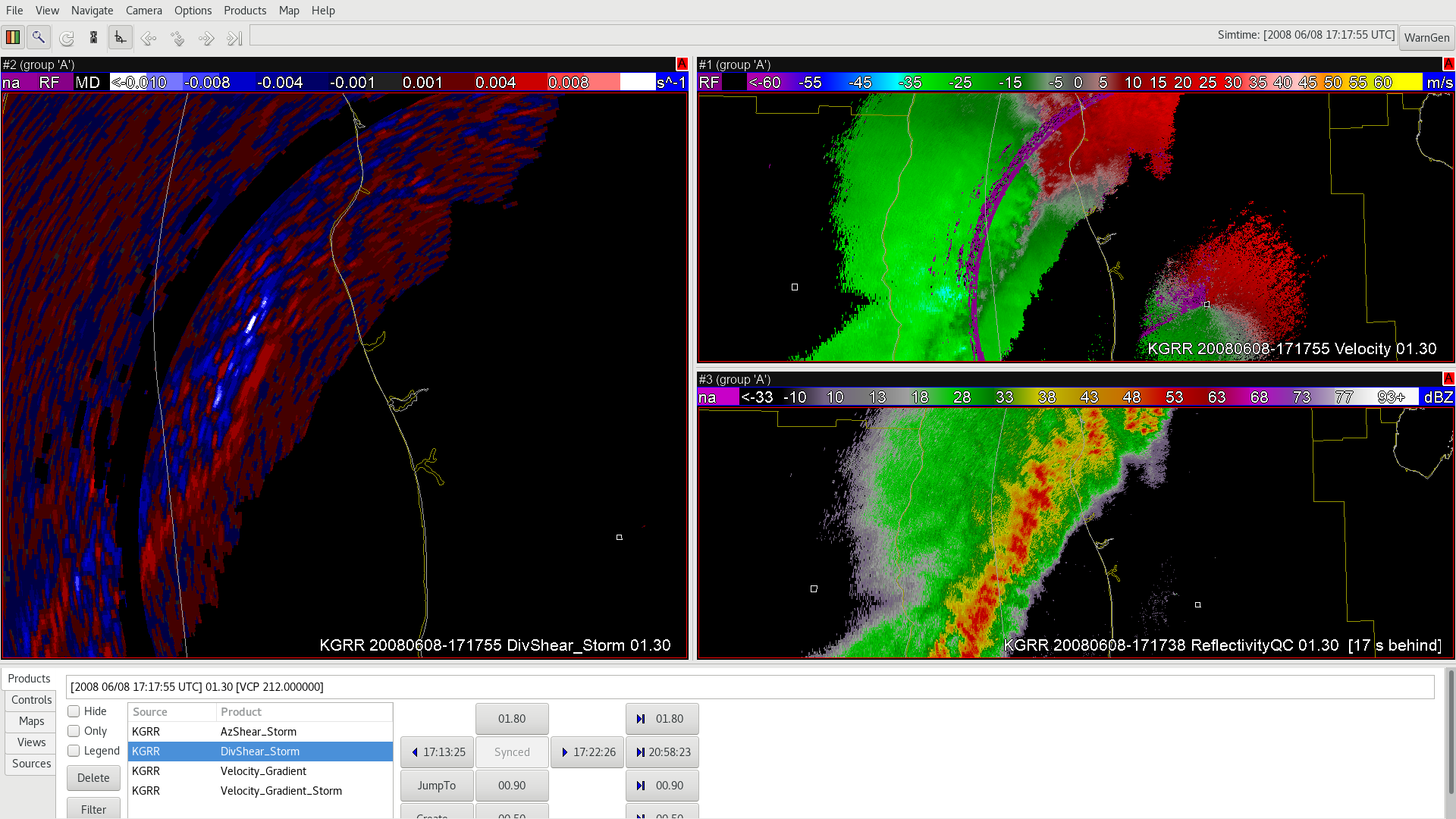
At the apex of the bow we see a bit of an AzShear couplet (maximum at the apex with a weaker “blue” minimum just to the south). Comparing this to DivShear…
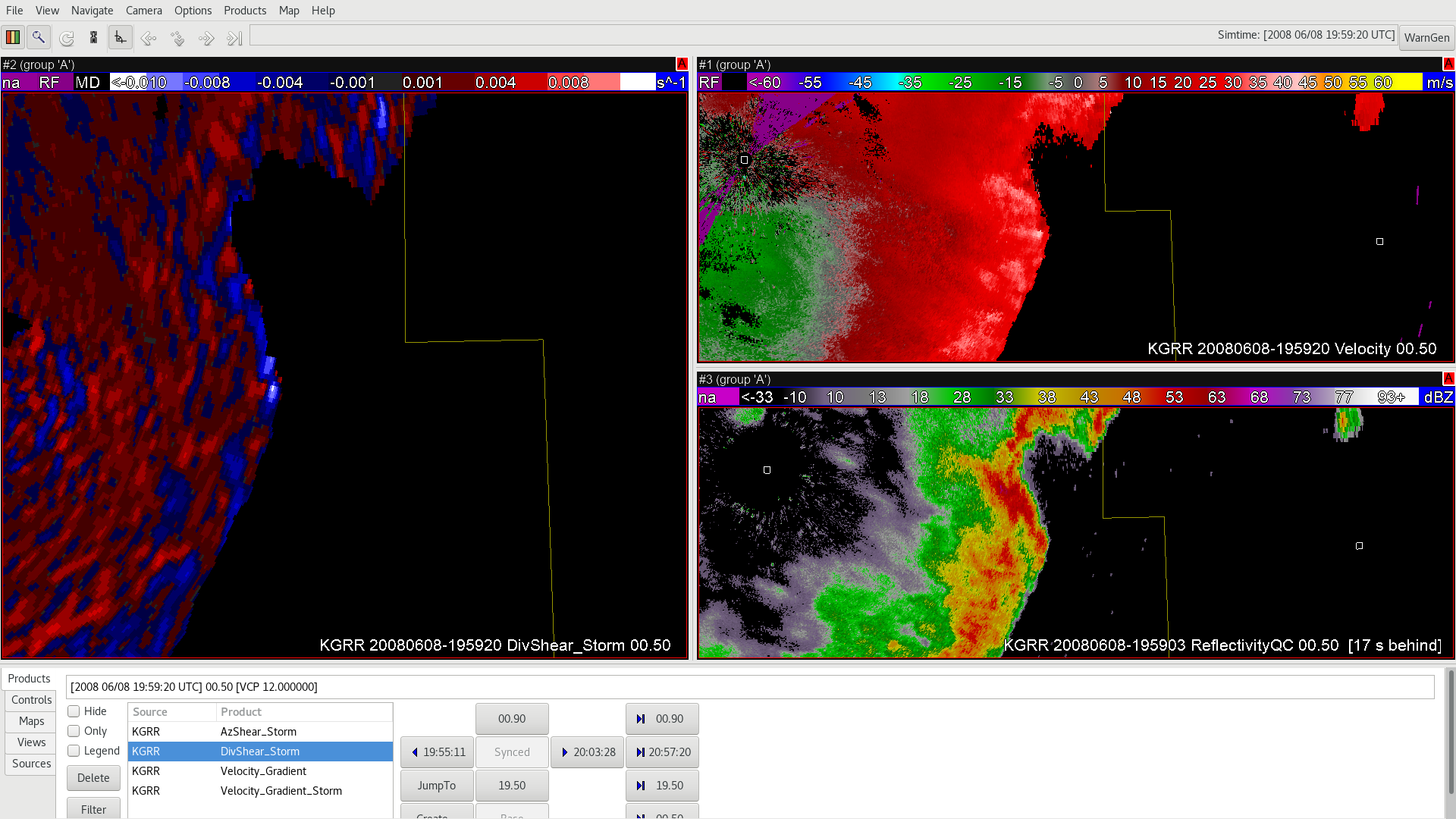
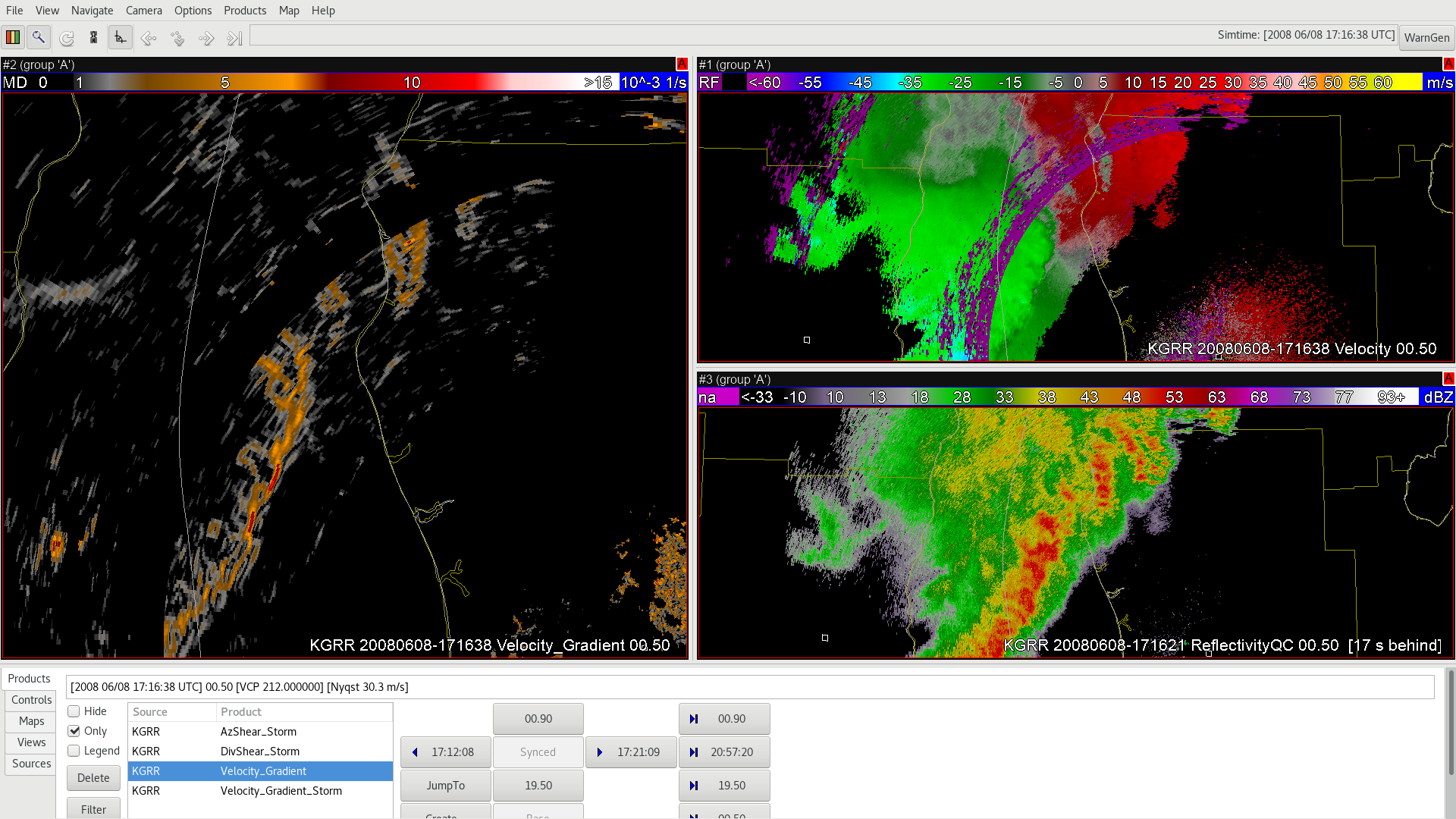
Hmm, certainly some blue negative divergence (i.e., convergence) there too. Now putting them together into Velocity Gradient…
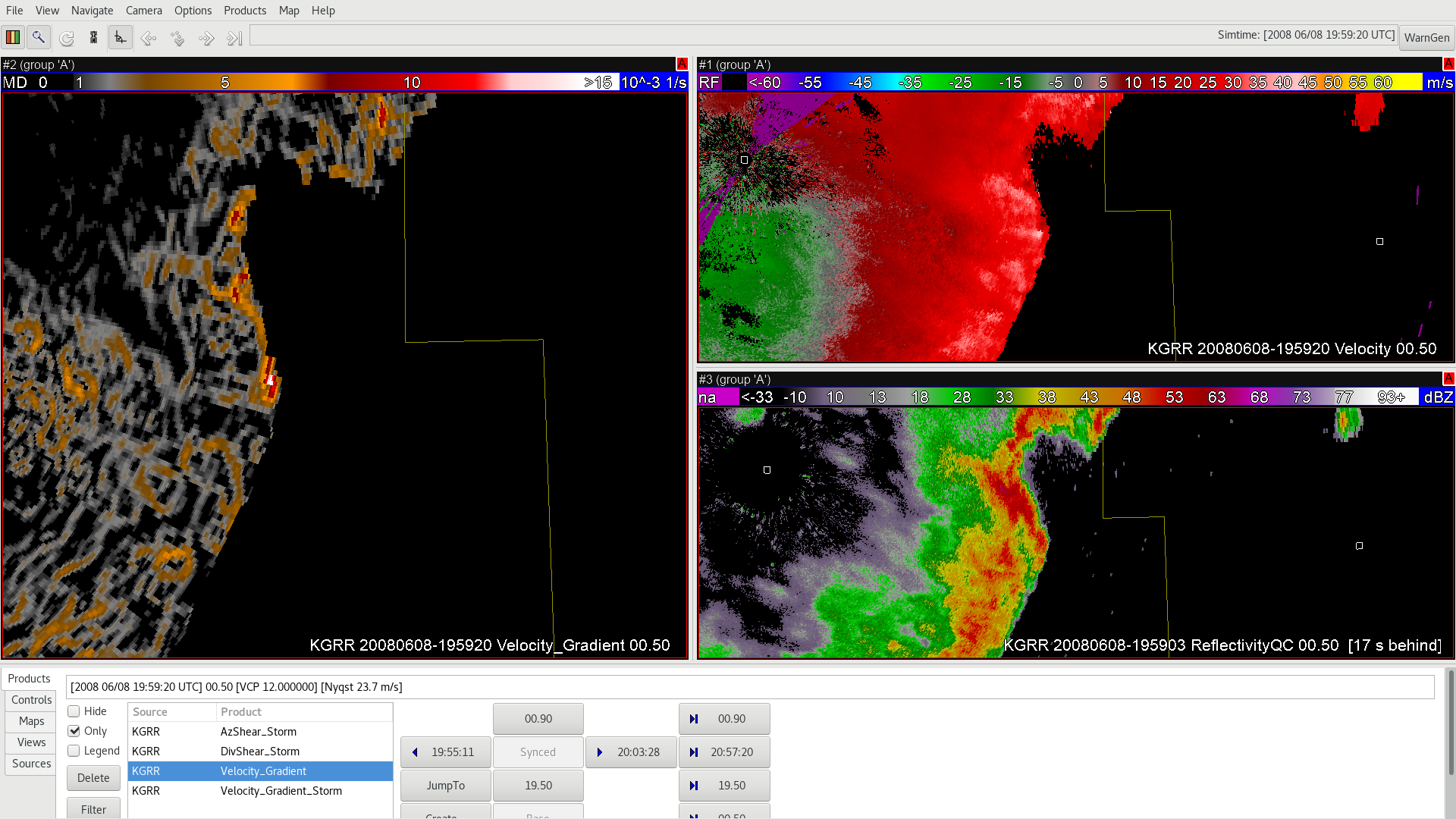
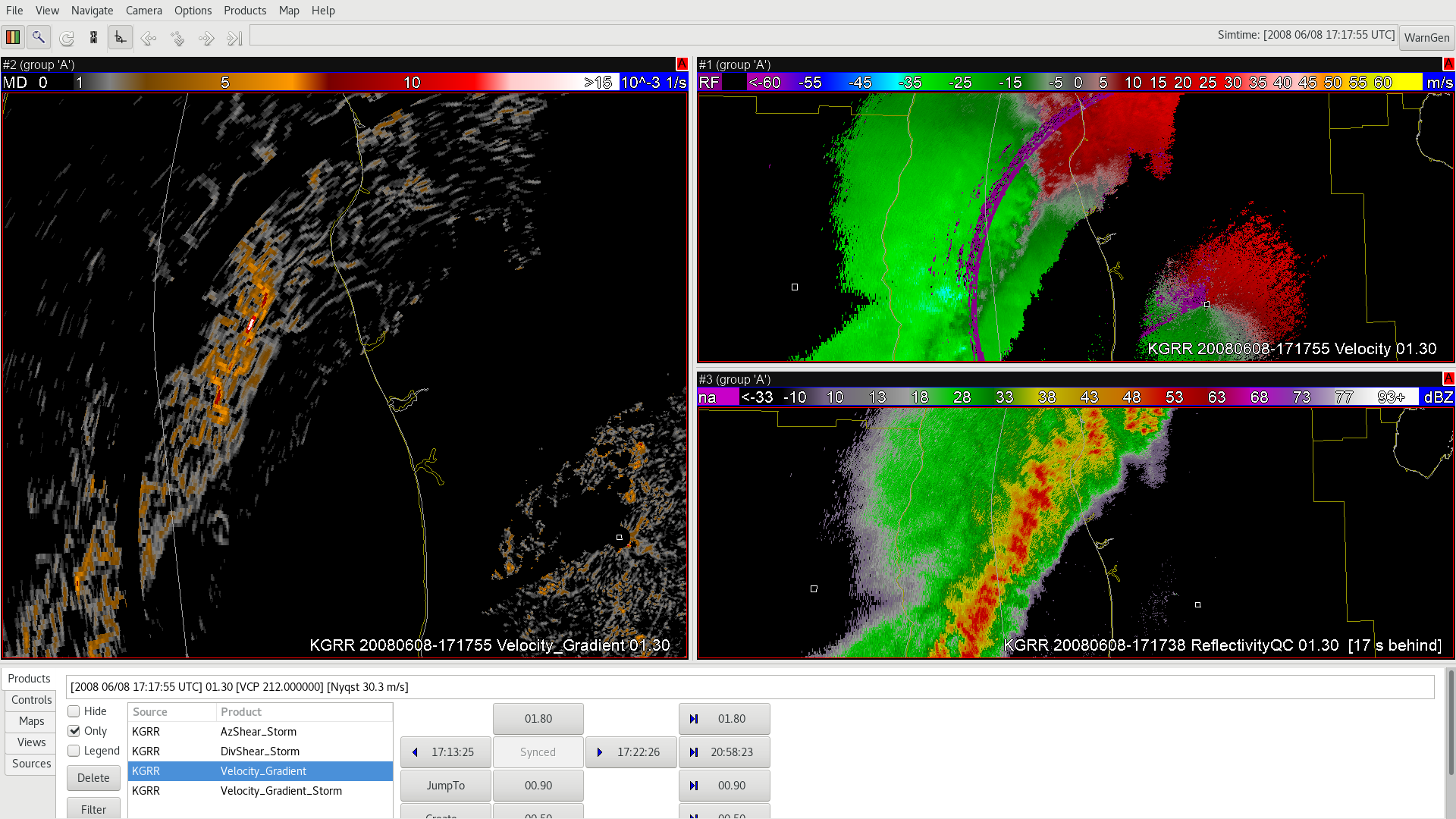
…things really really start to pop. At this point, it appears that the azimuthal shear is a bit more of a contributor than DivShear. Now looking later when the mesovortex is shifting away from the apex, starting with AzShear, we see a much less focused area…
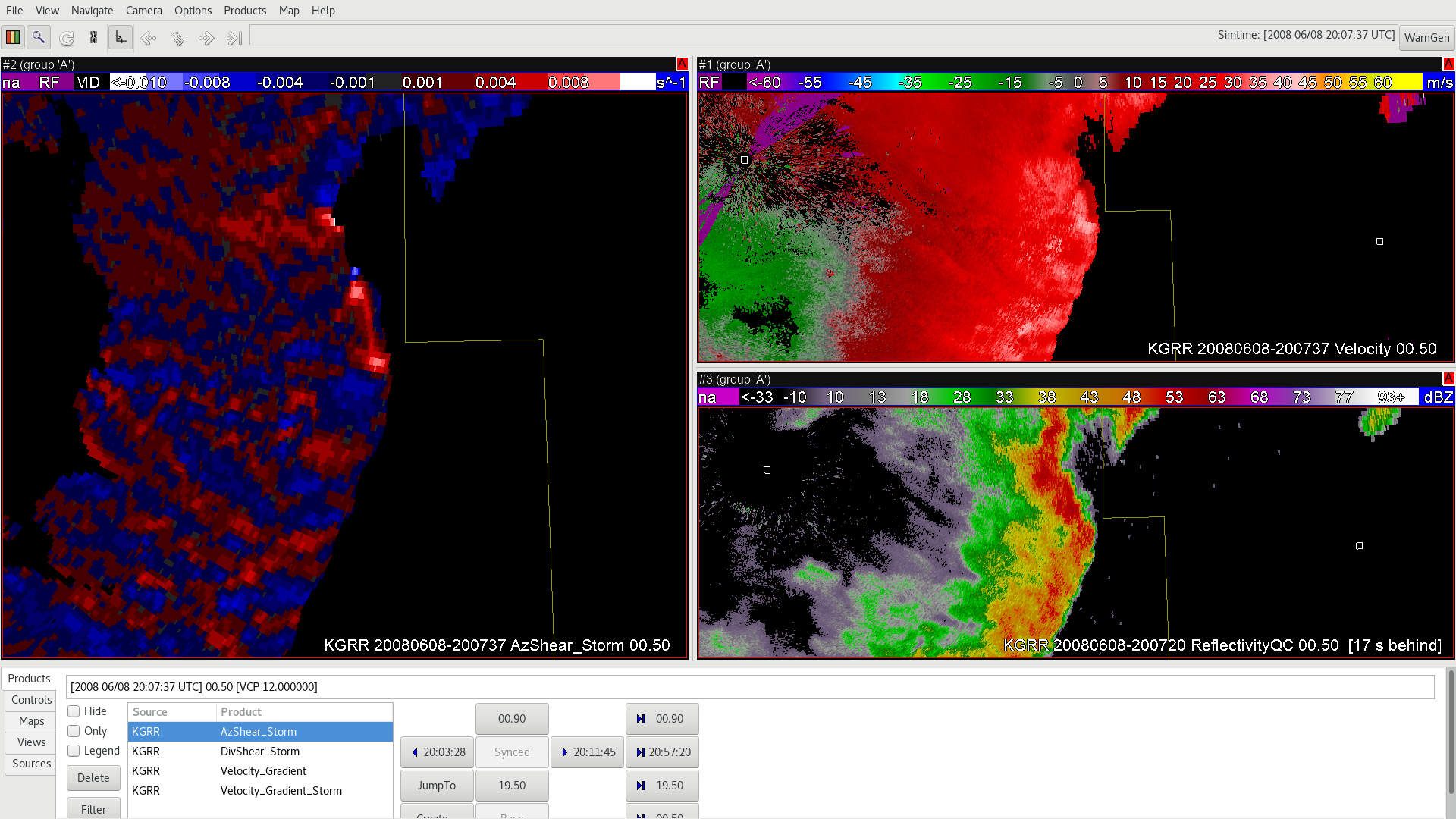
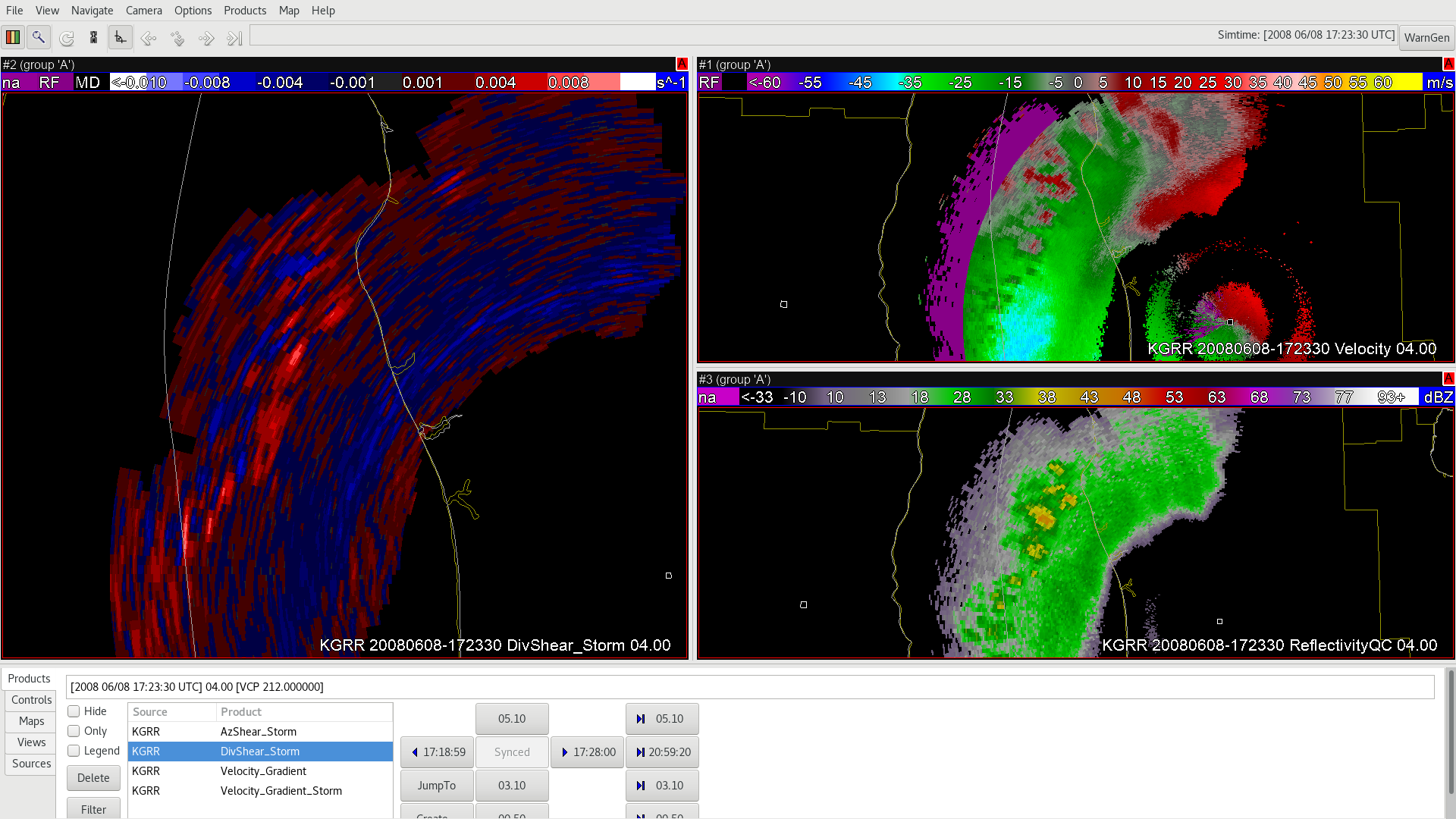
However, DivShear has really taken up the slack here with a strong convergence signature…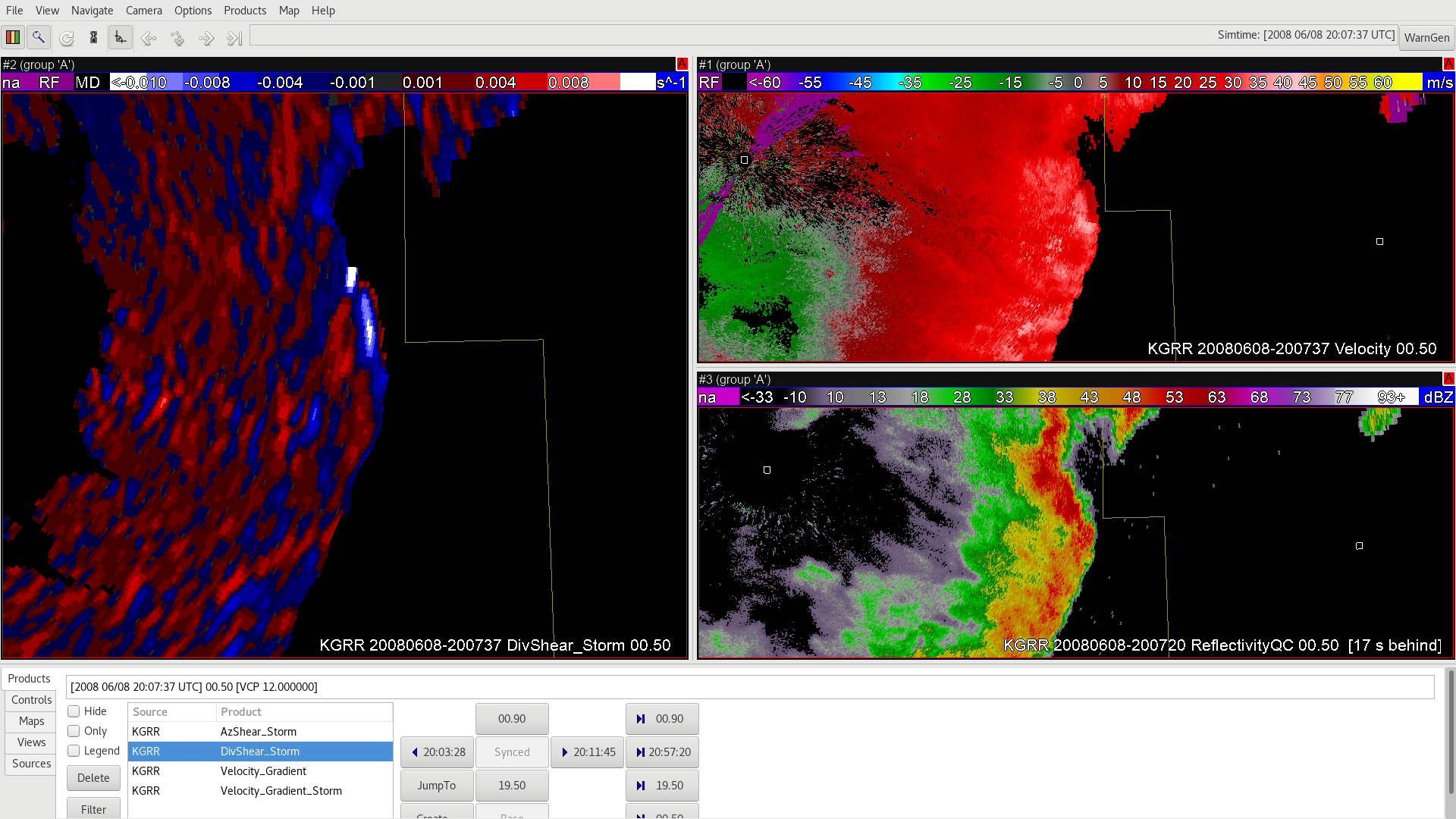
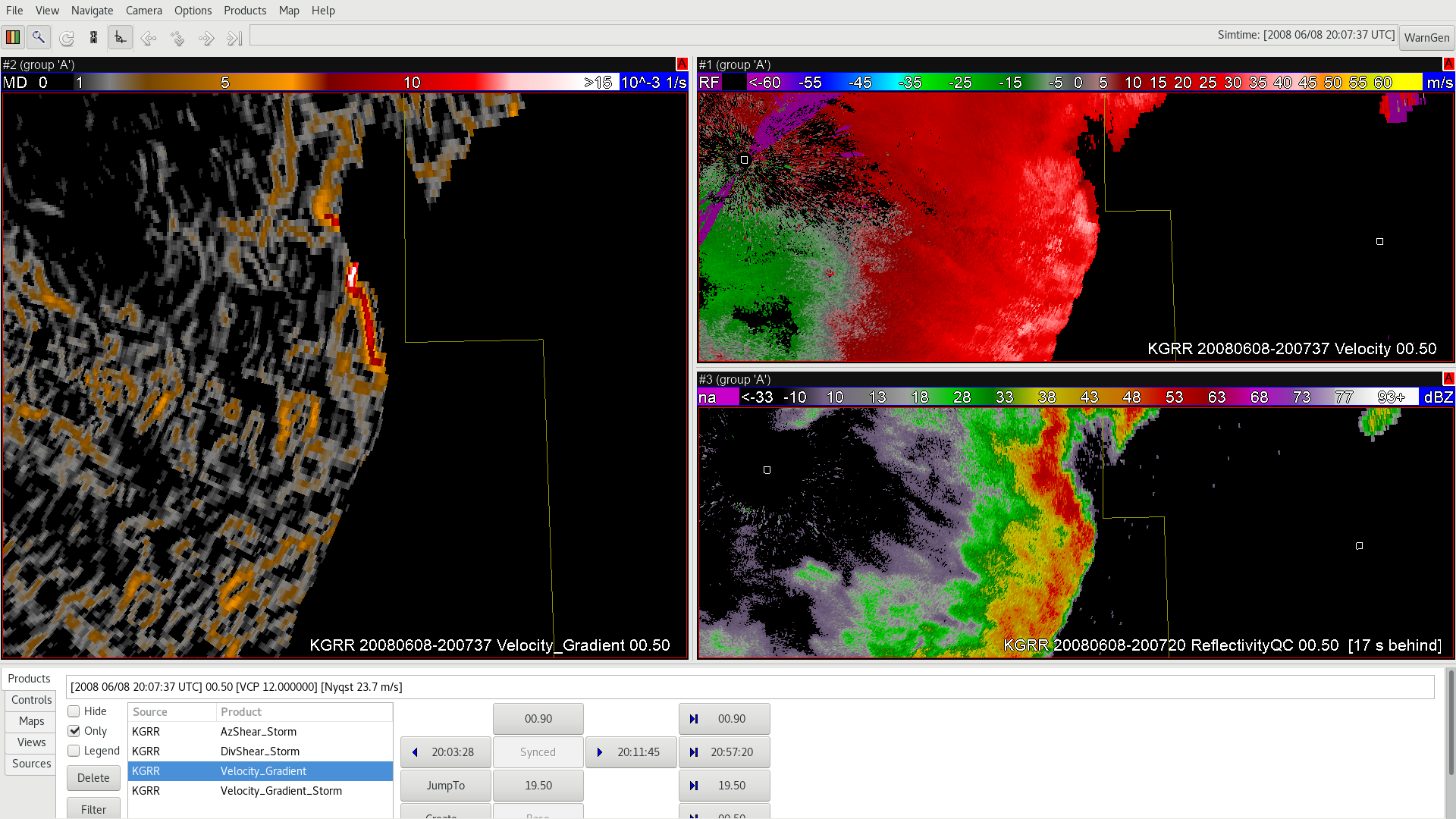
Finally, again putting it all together, we see a very clear signal in the Velocity Gradient showing the best superposition of cyclonic shear and convergence (white area). This is absolutely huge for diagnosing mesovortex evolution since we often see a shifting balance between convergence and azimuthal shear and we can use something like Velocity Potential to get it all at once.
I really appreciate the efforts of Thea and others here who made this dataset available on such short notice. They also showed some examples of these products with tornadic supercells that blew my mind.
#MarfaFront
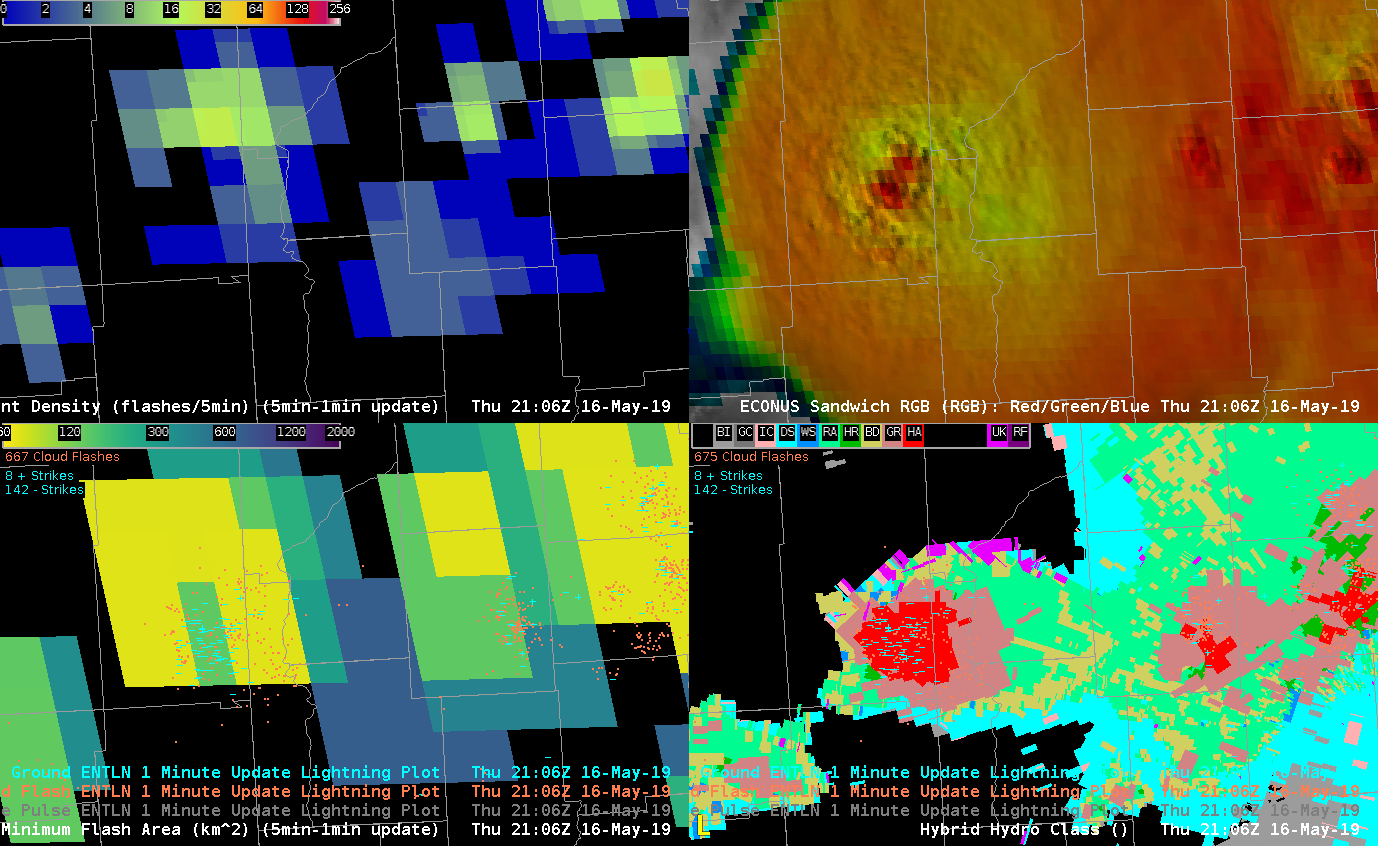
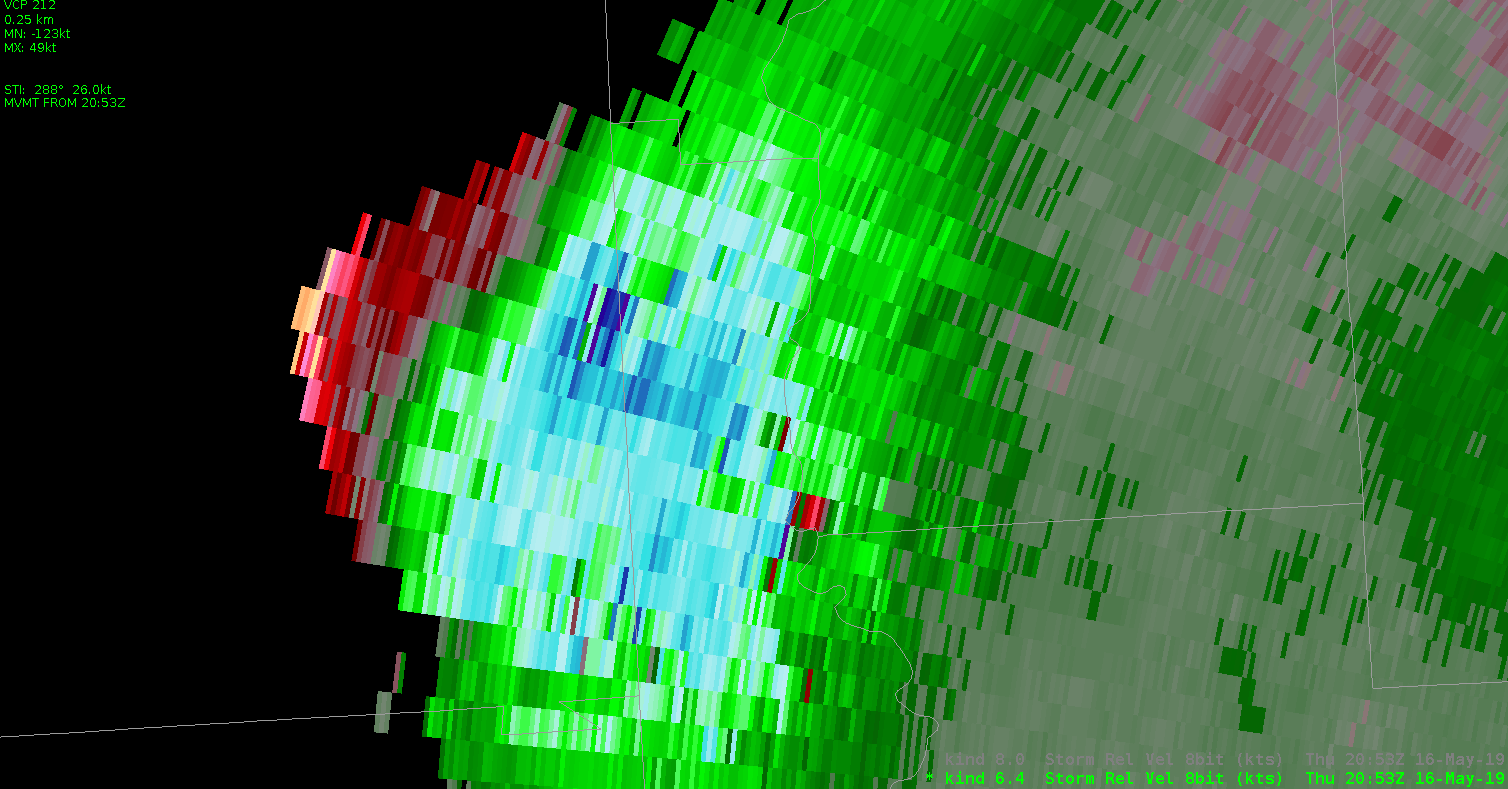
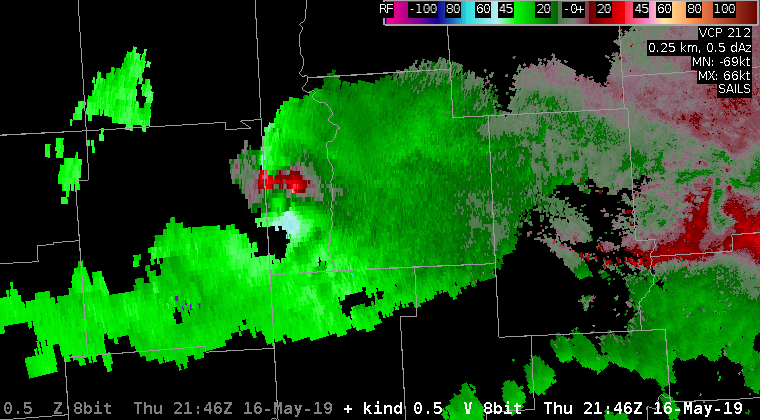
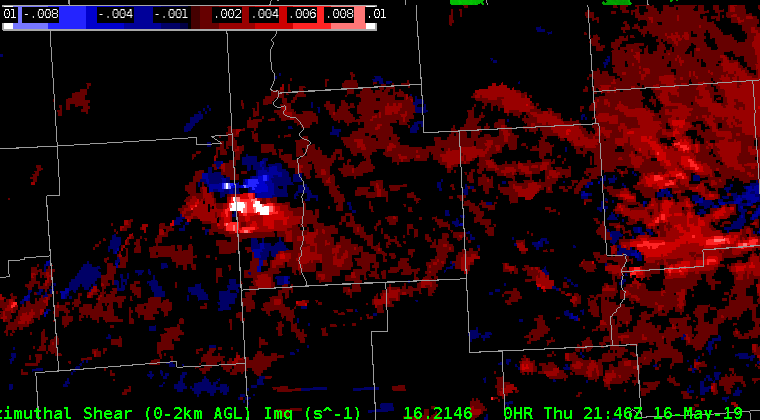
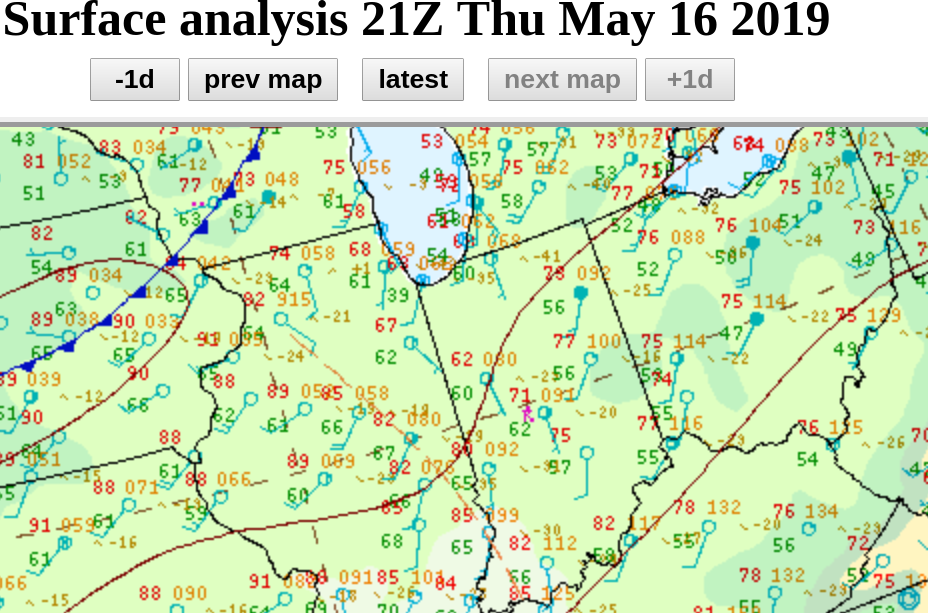 15 min prior to 1.75″ hail and 20 min prior to baseball-size hail, a supercell tracked NNW-SSE through Vermillion Co, IL …the Probsvr nailed the values for ProbHail at 96%, VILD 4.3, and a well defined TVS (100kt G-G) and strong MESO on NEXRAD ~ 7k’
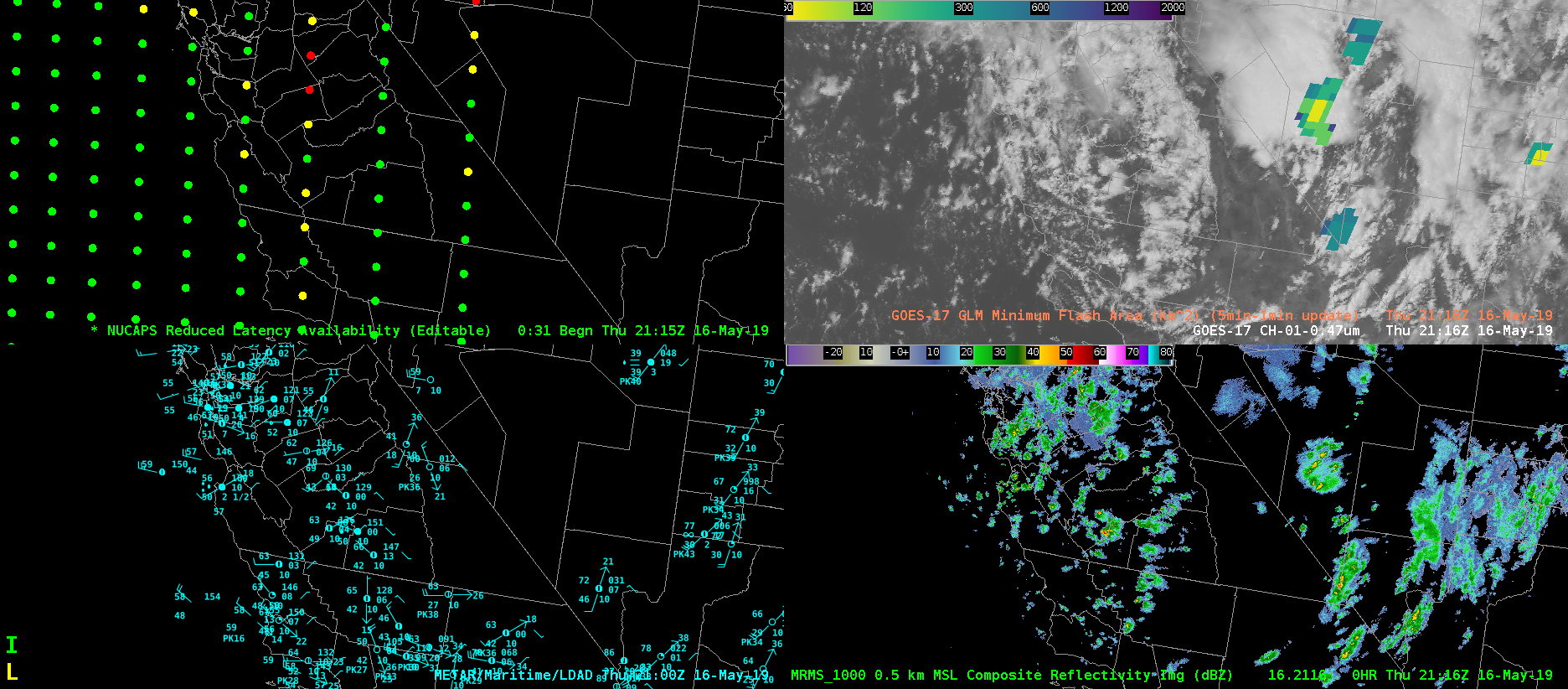
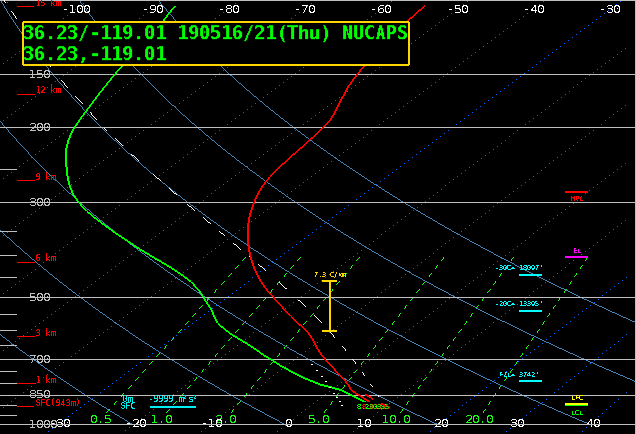
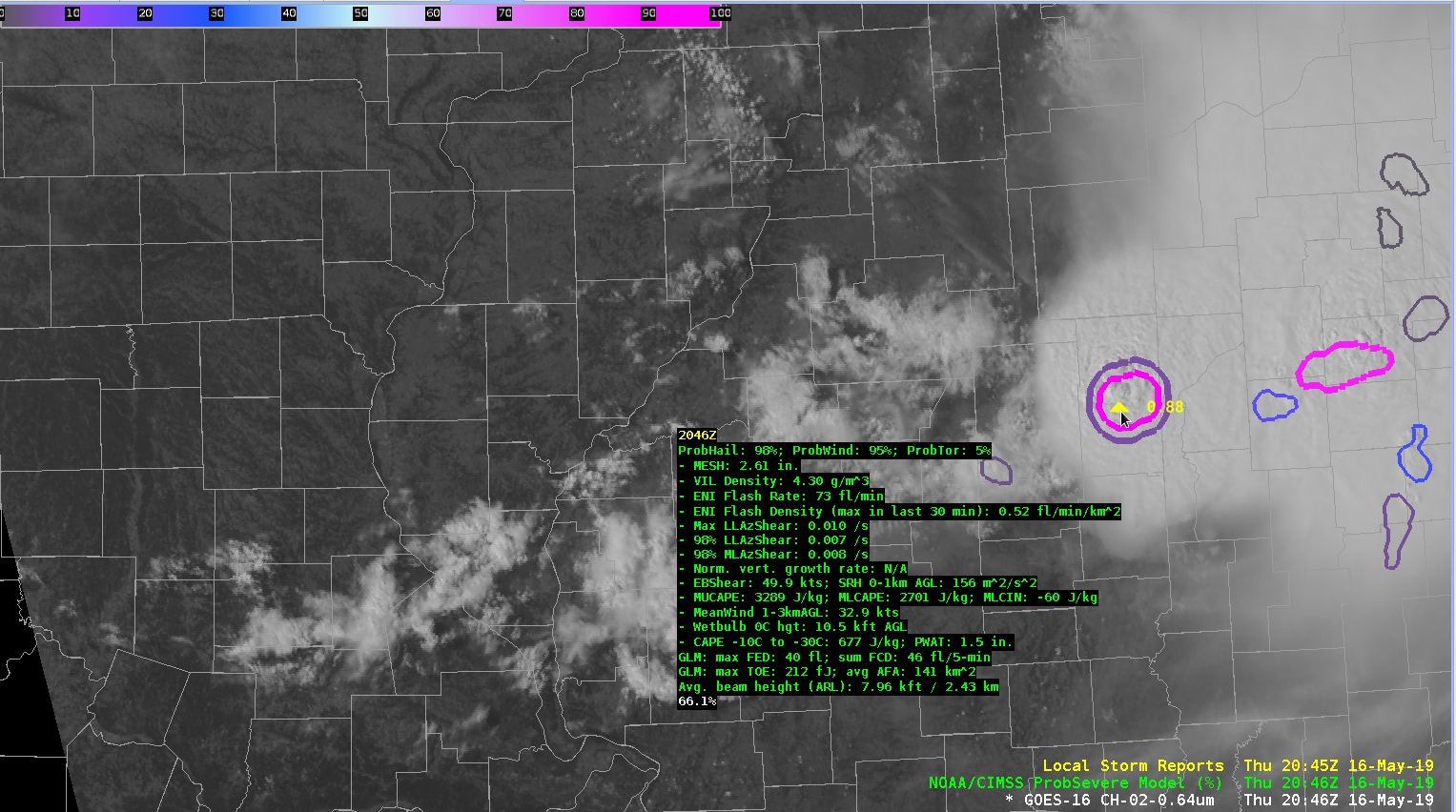 NUCAPS SVR TS values kinda nailed it in Ern IL :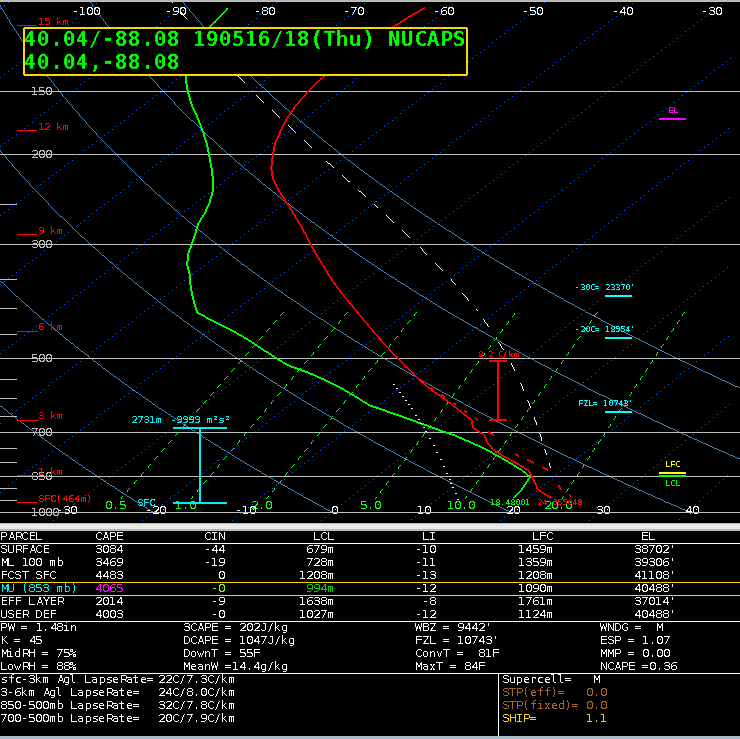
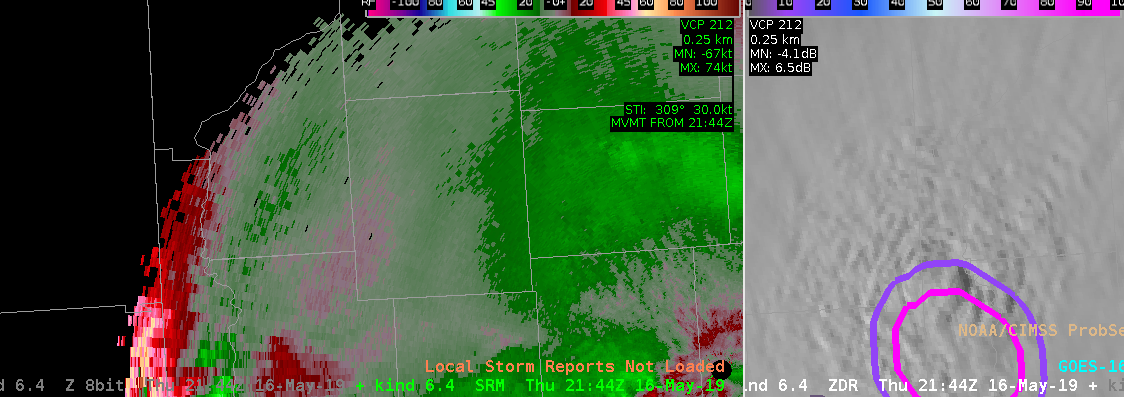
 This storm is not diminishing, with Storm Top DIV remaining well over 100kt
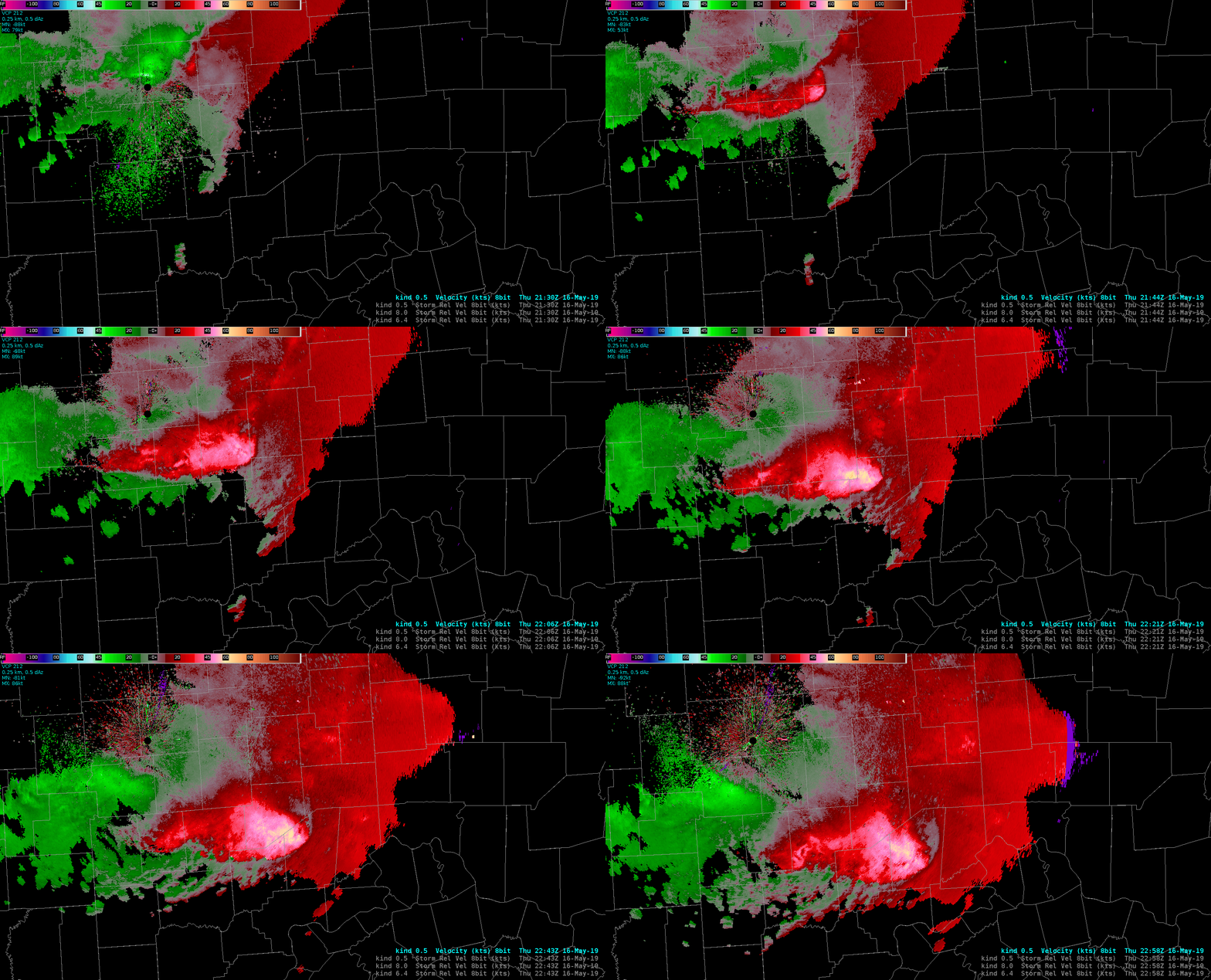
 Eastern end of MCS continues to chug thru central IN (2130-2300z),
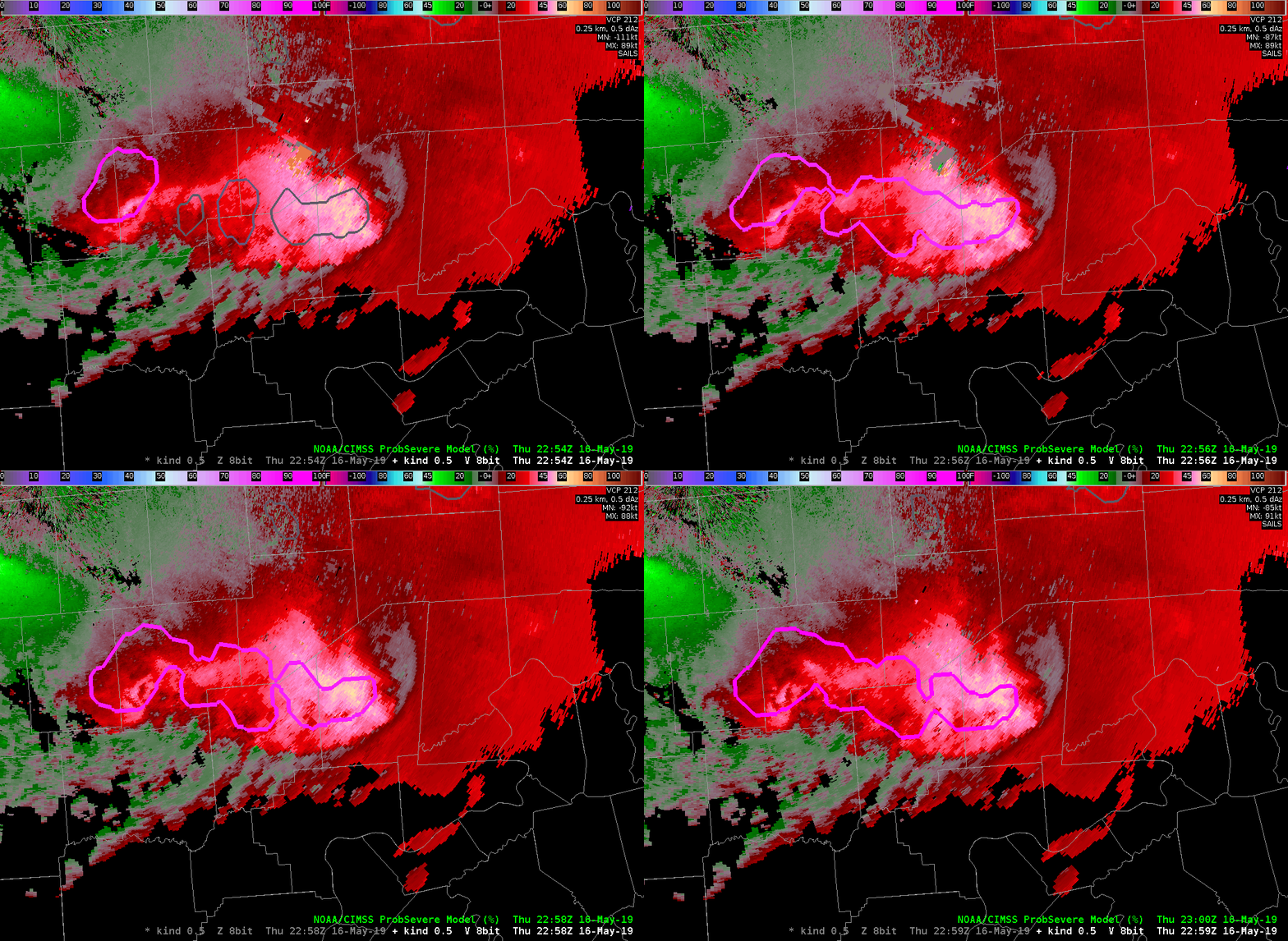
  ProbSVR ~ 23z looking good, more warnings on the way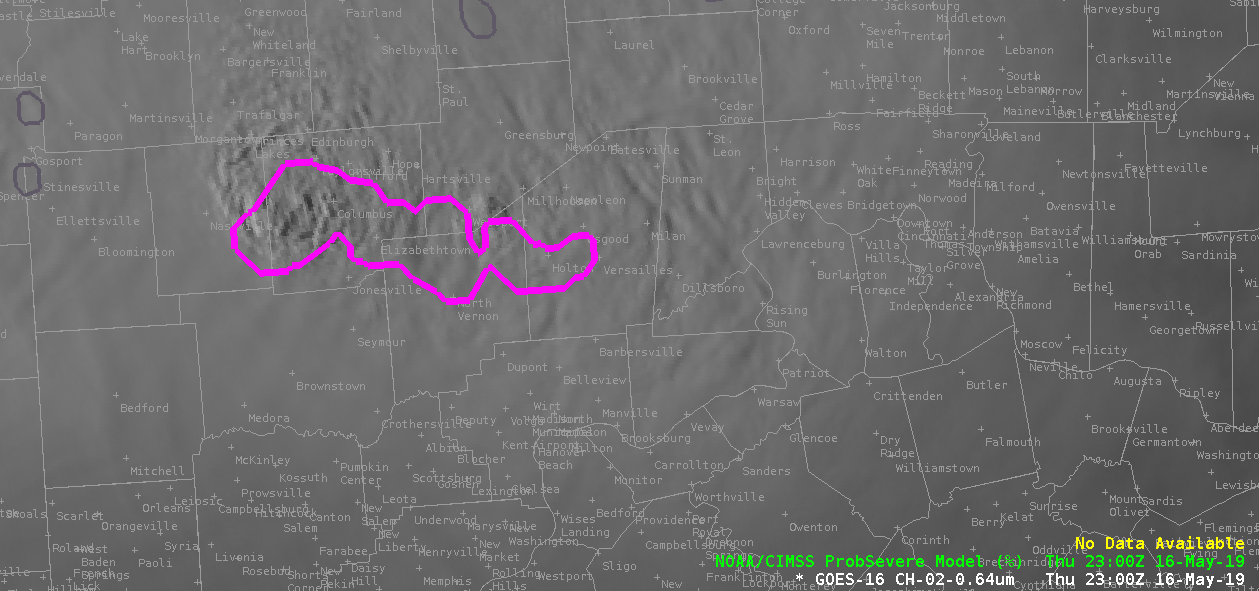
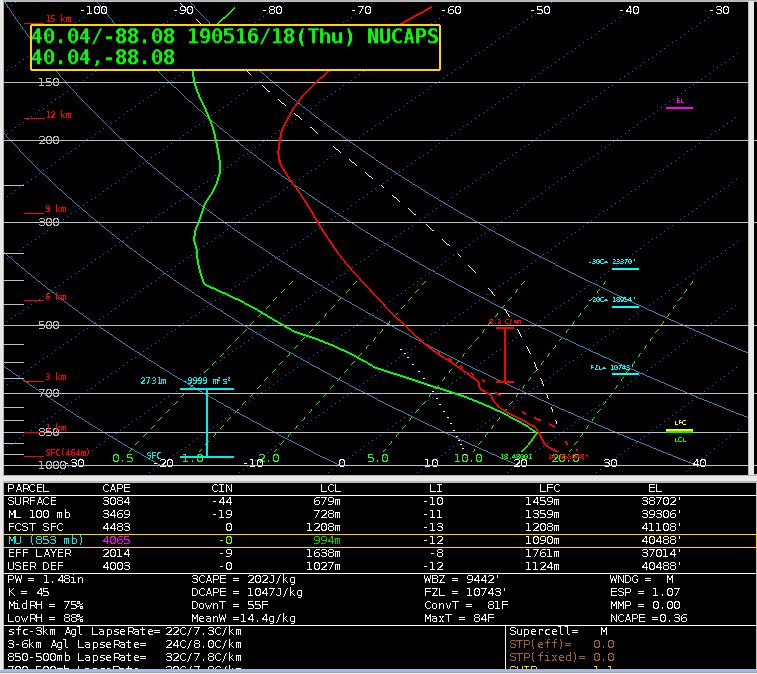
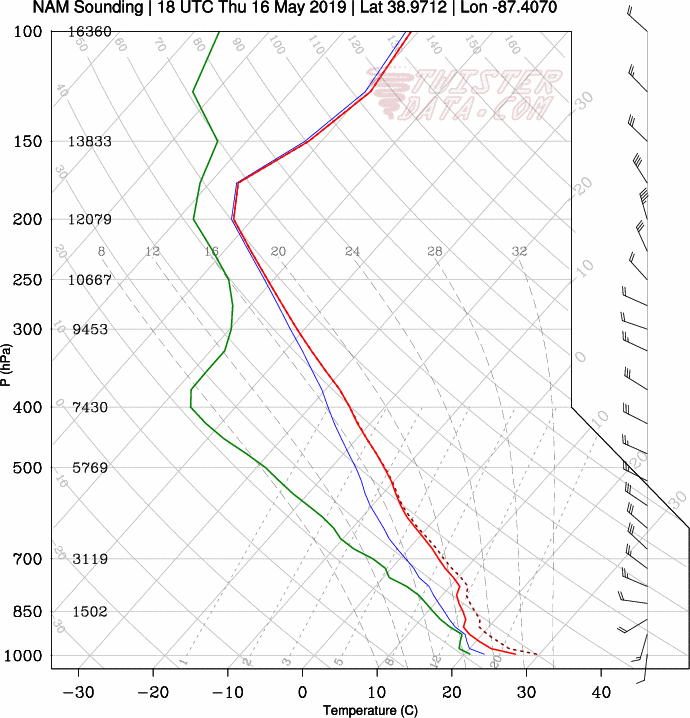
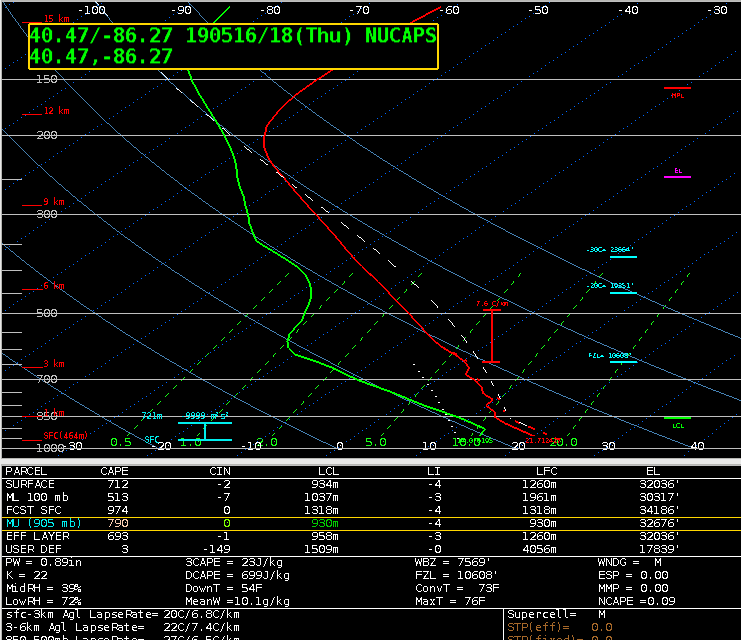
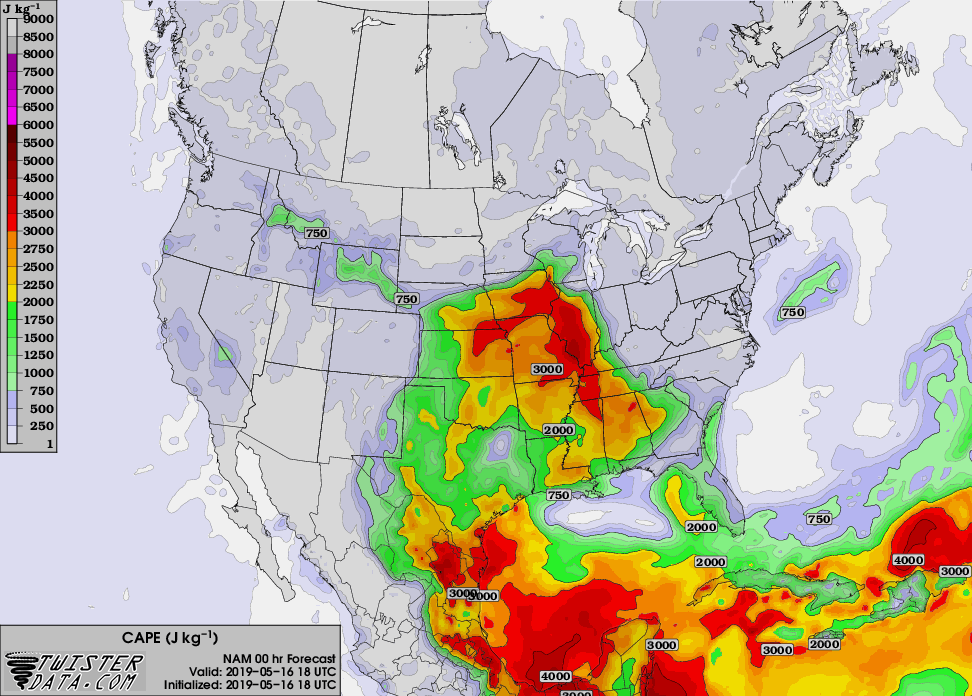
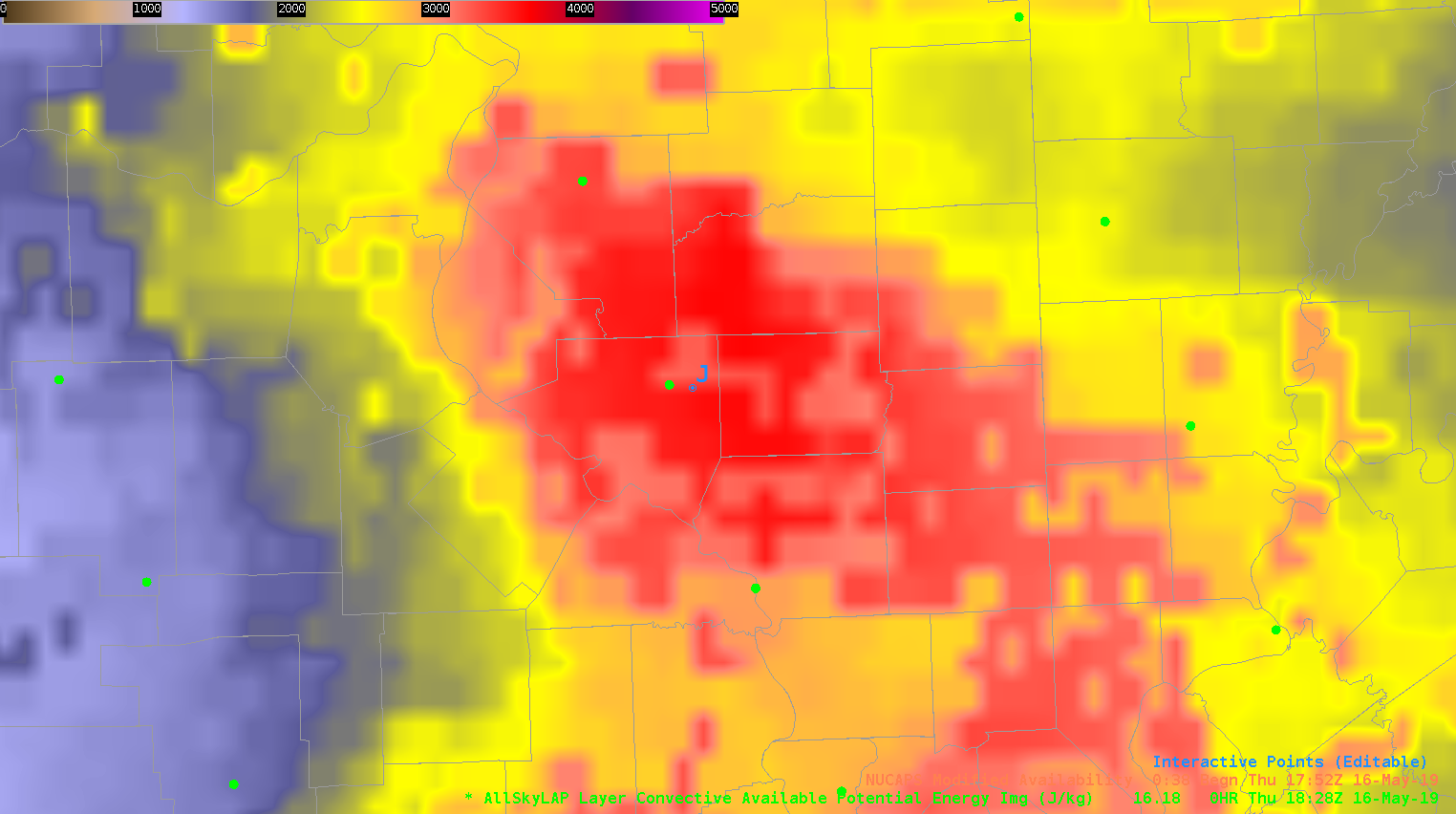
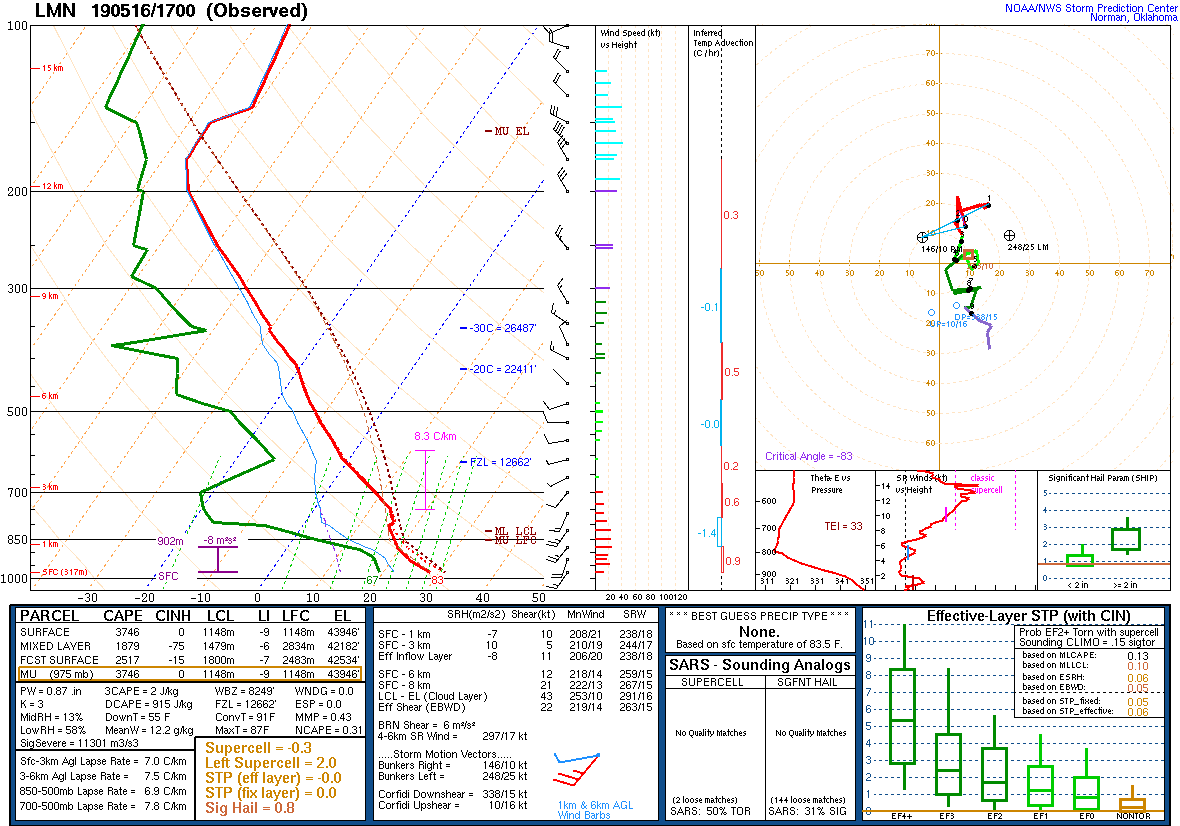
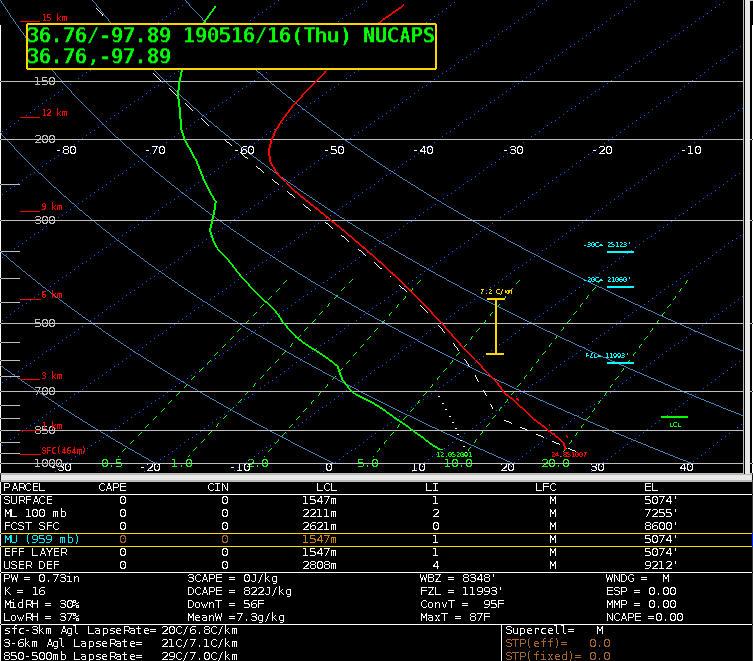
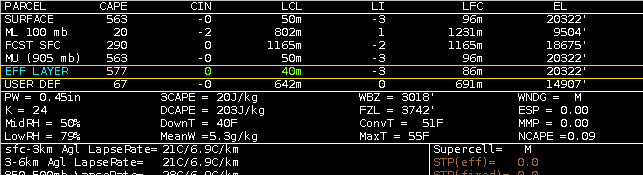
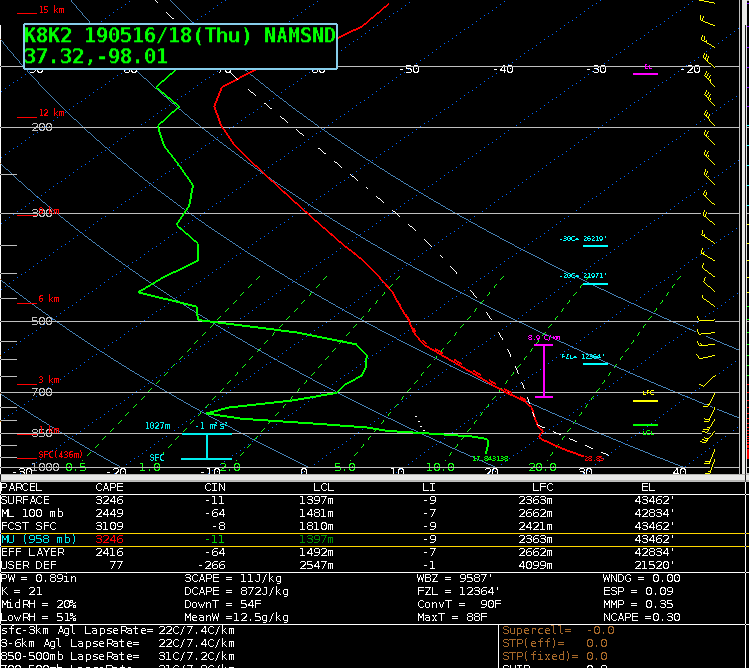 NAM 18Z model skew-t compared to the 17Z observed skew-t from the same area shows 28/17C SFC temps, only 3C off from the observed skew-t and at 700MB NAM shows 9.5/-8C only .5C off the temperature and 11 off the DP. Also, CAPE was much closer than when compared to the NUCAPS where SFC CAPE on the NAM is 3246J/kg and 3746J/kg on the observed.