Octane Weakening Storm

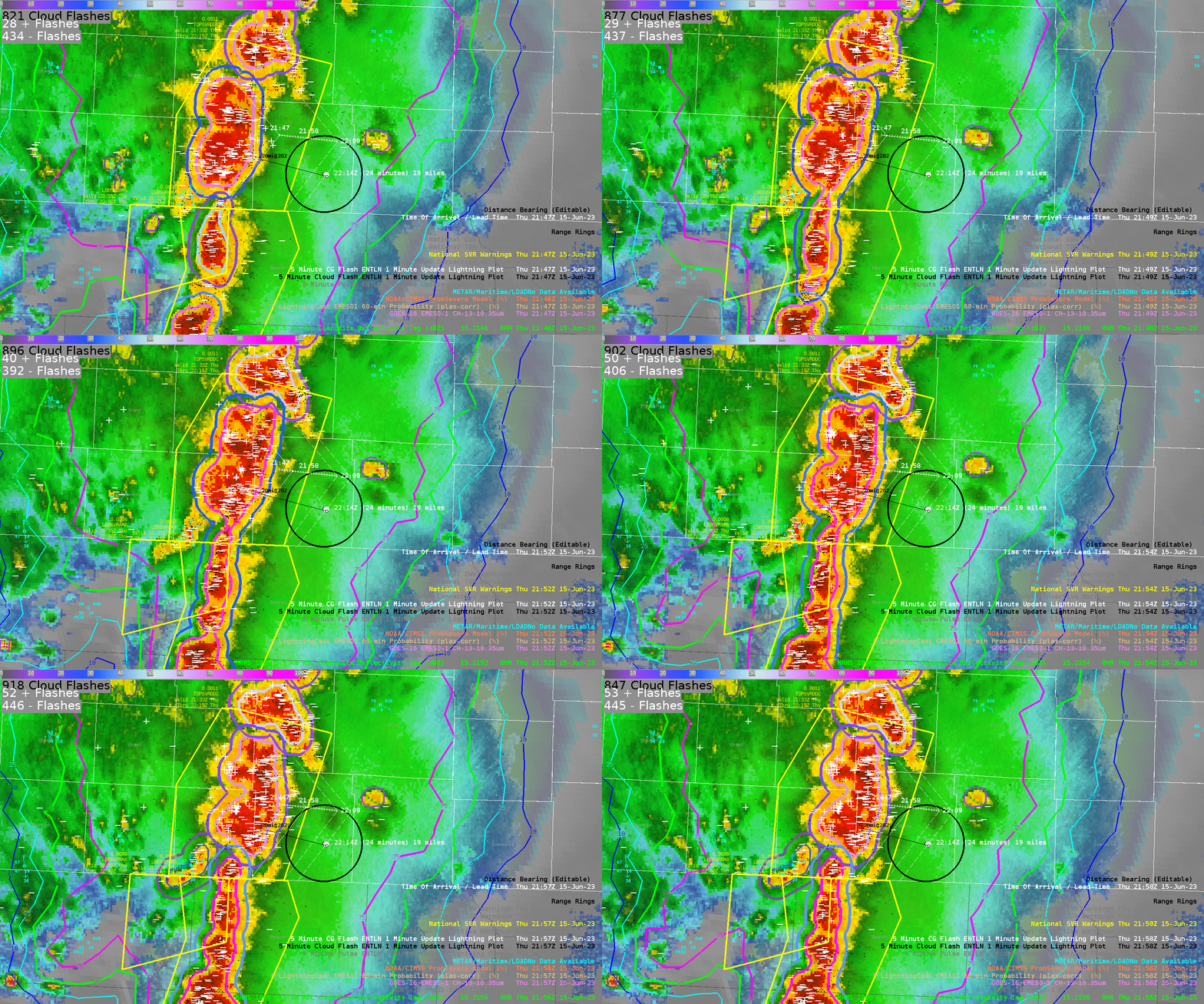
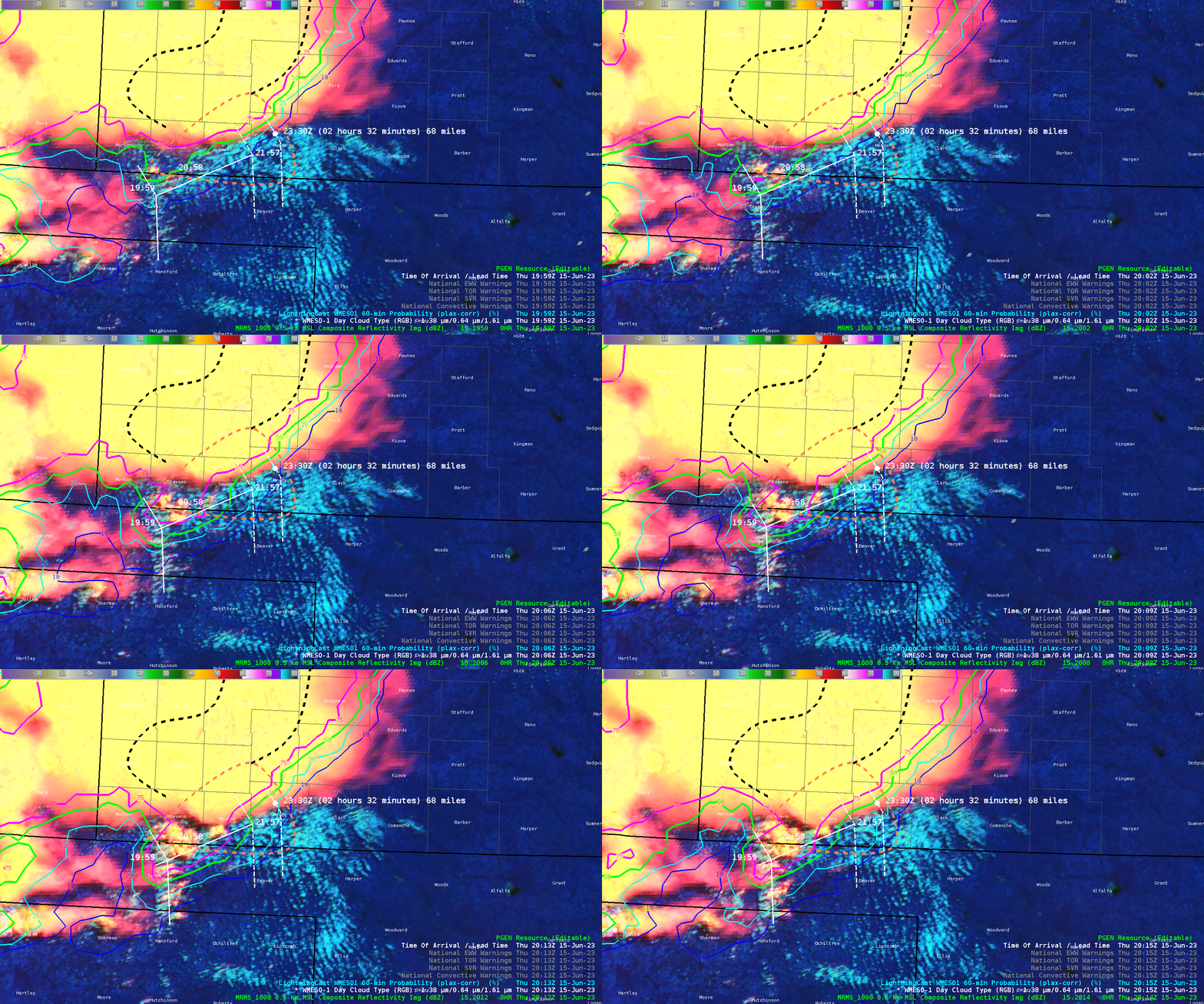
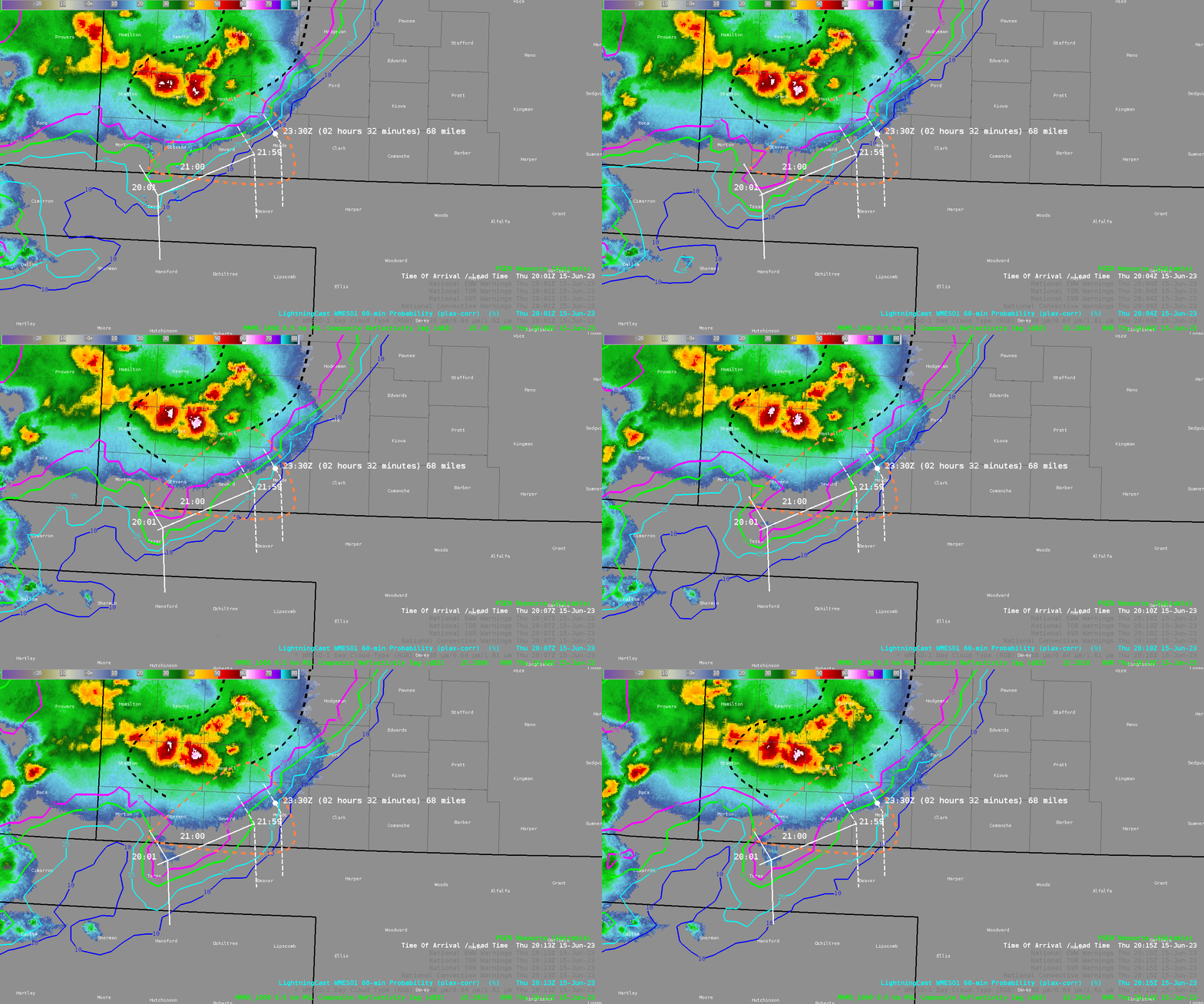
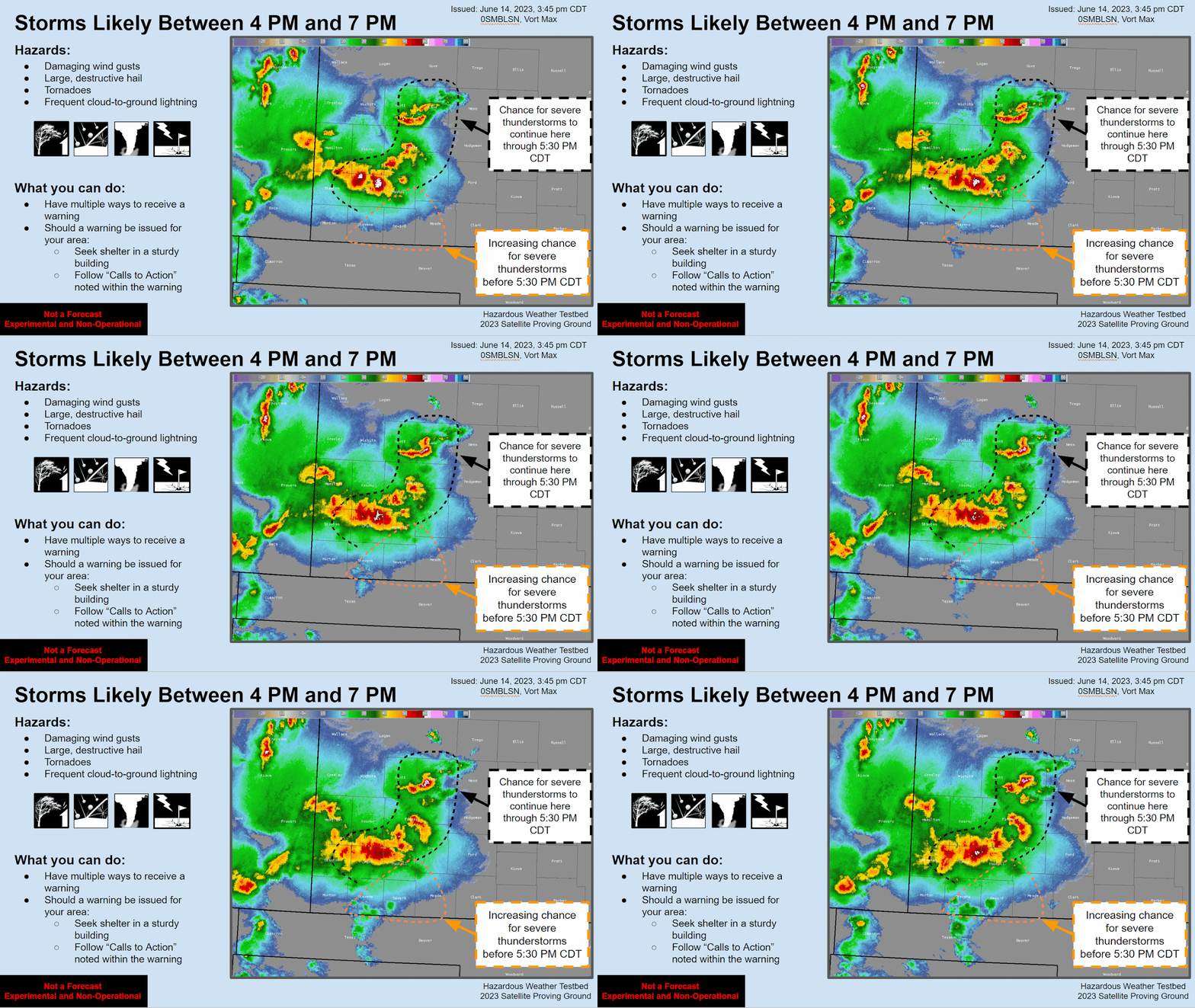
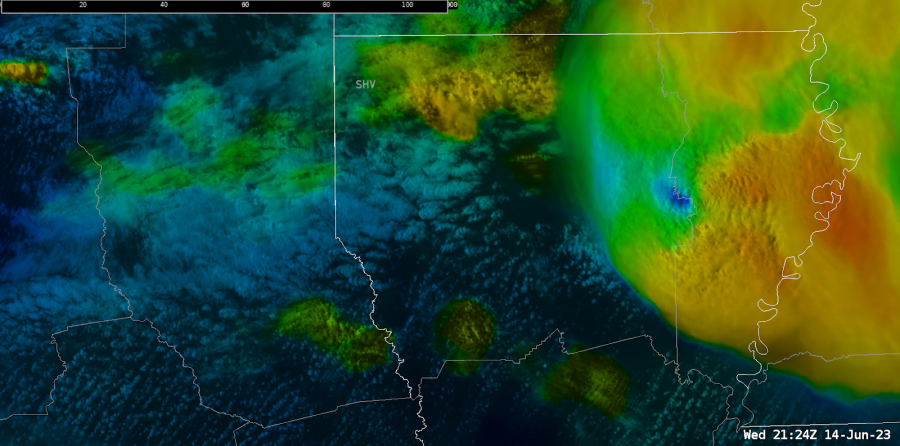
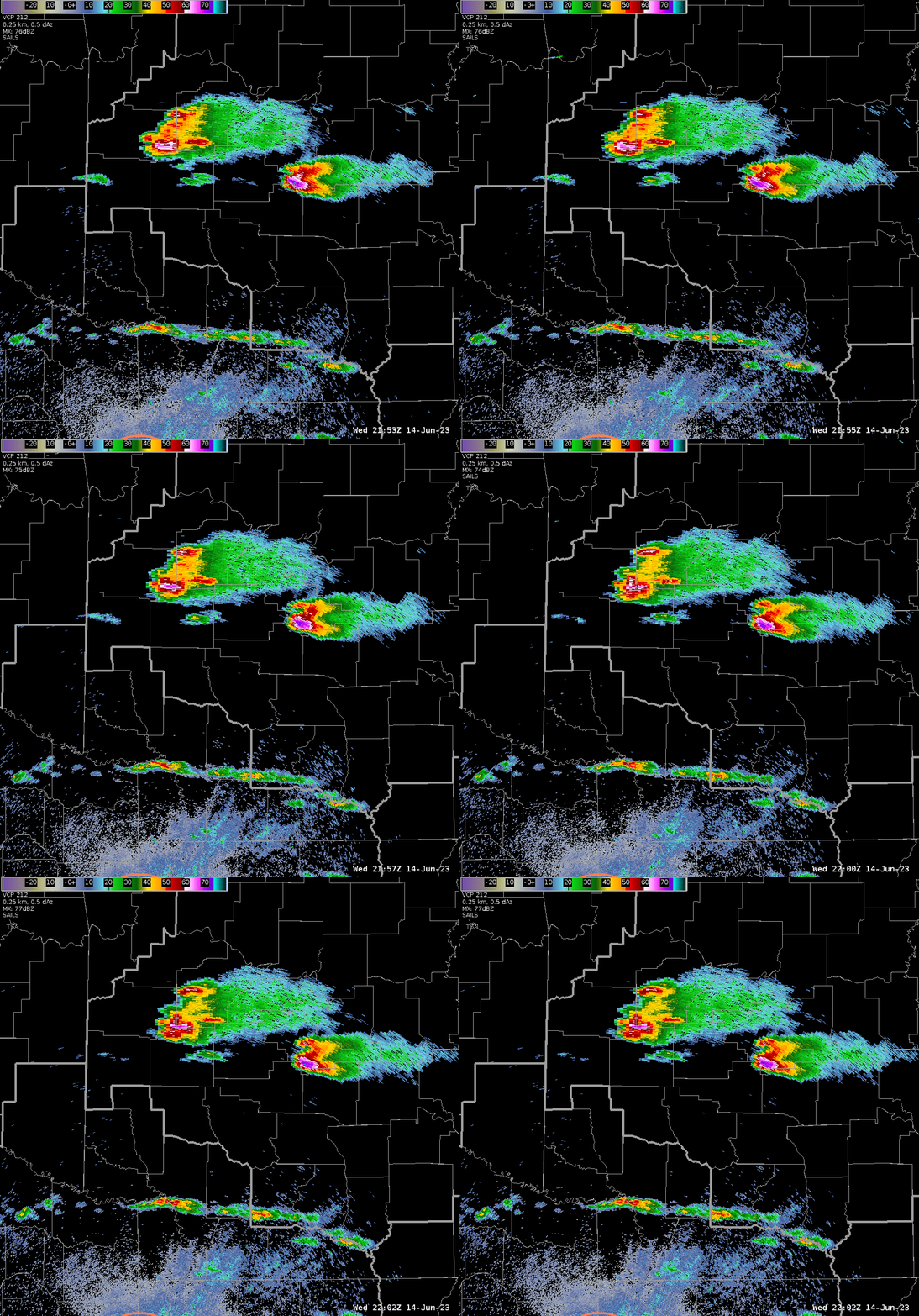
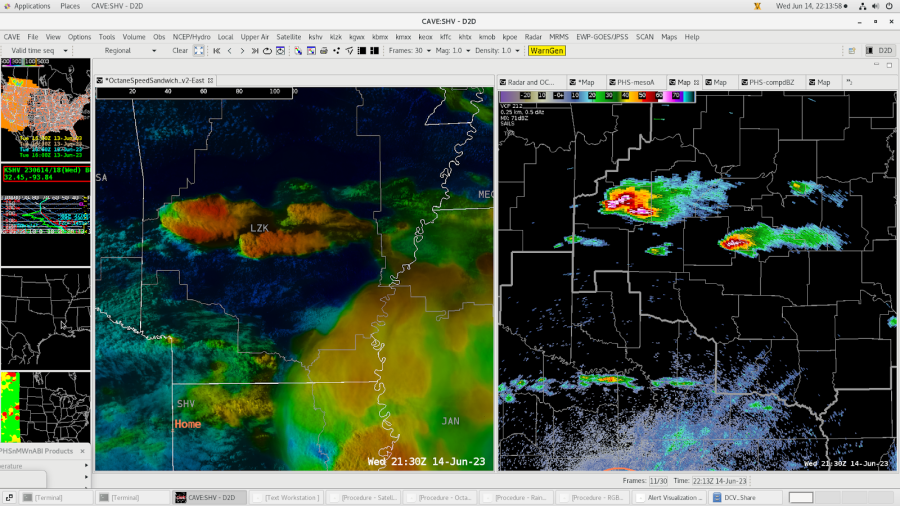
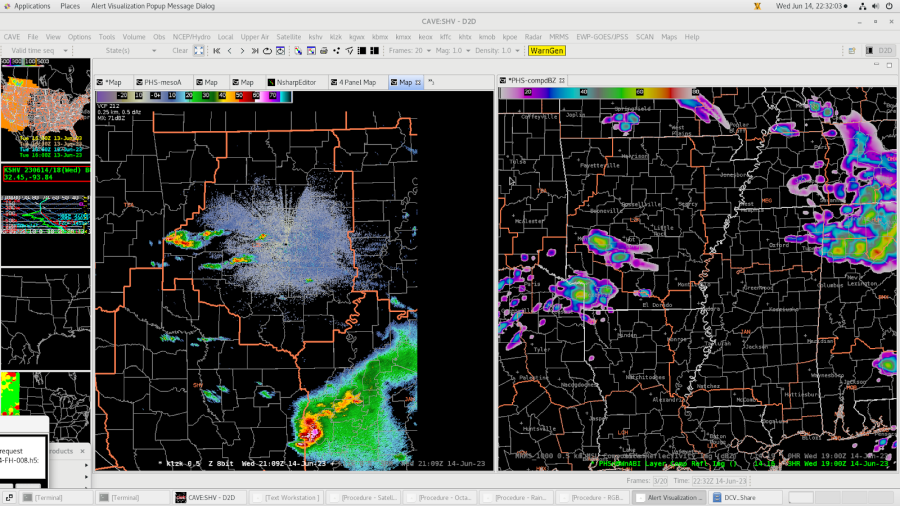
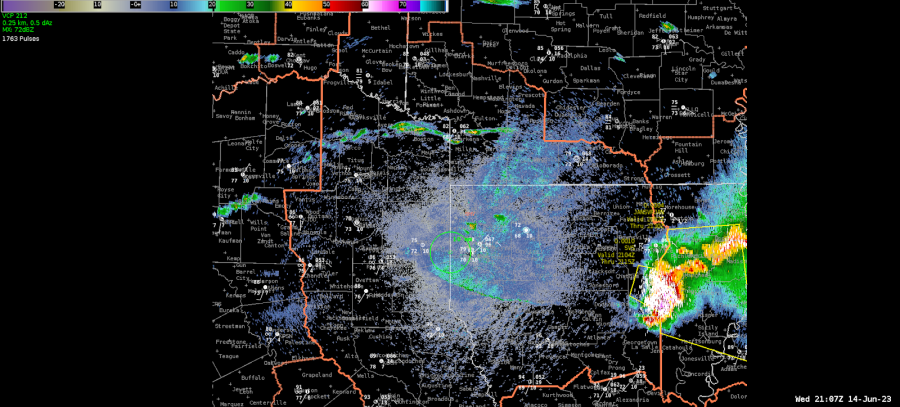
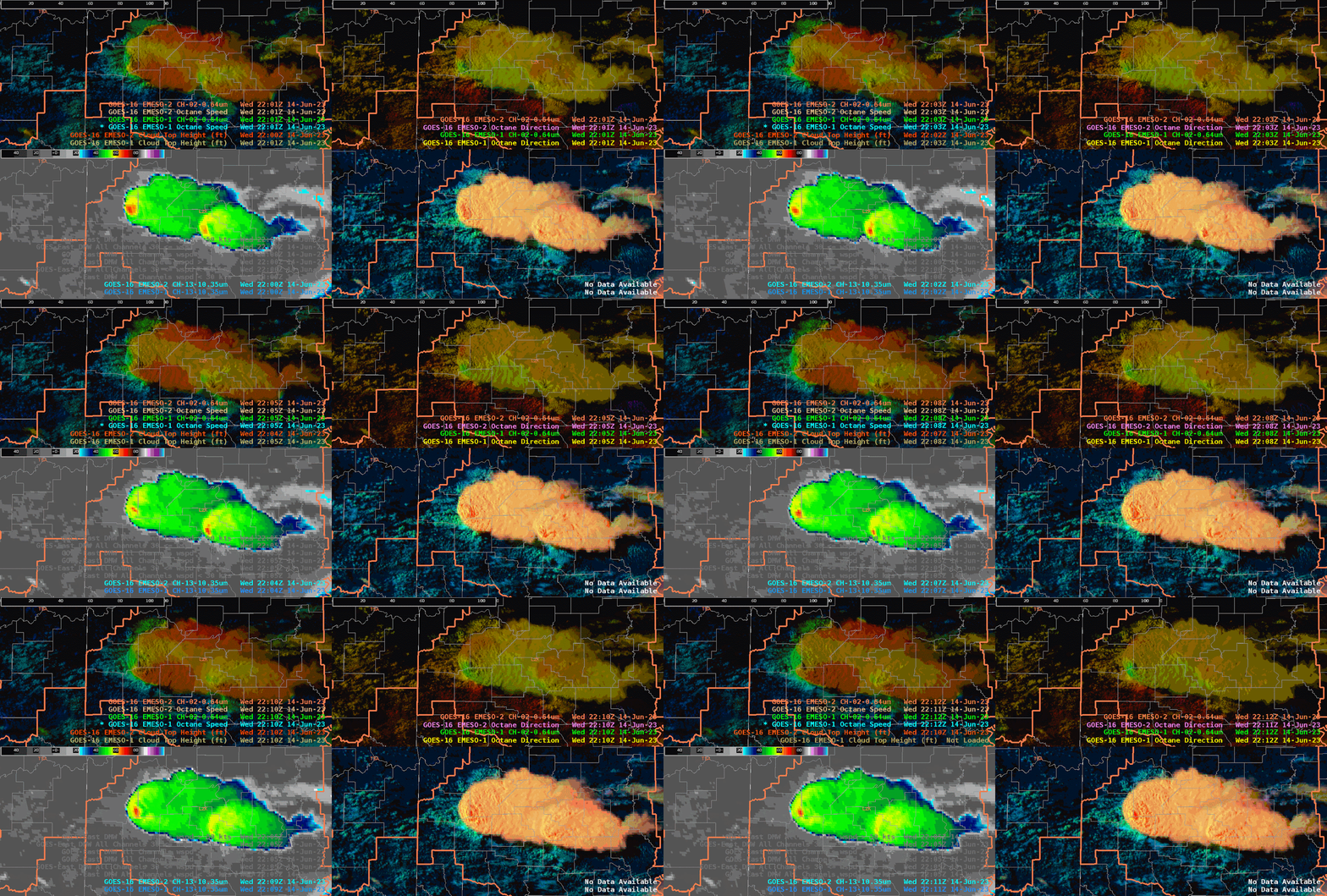
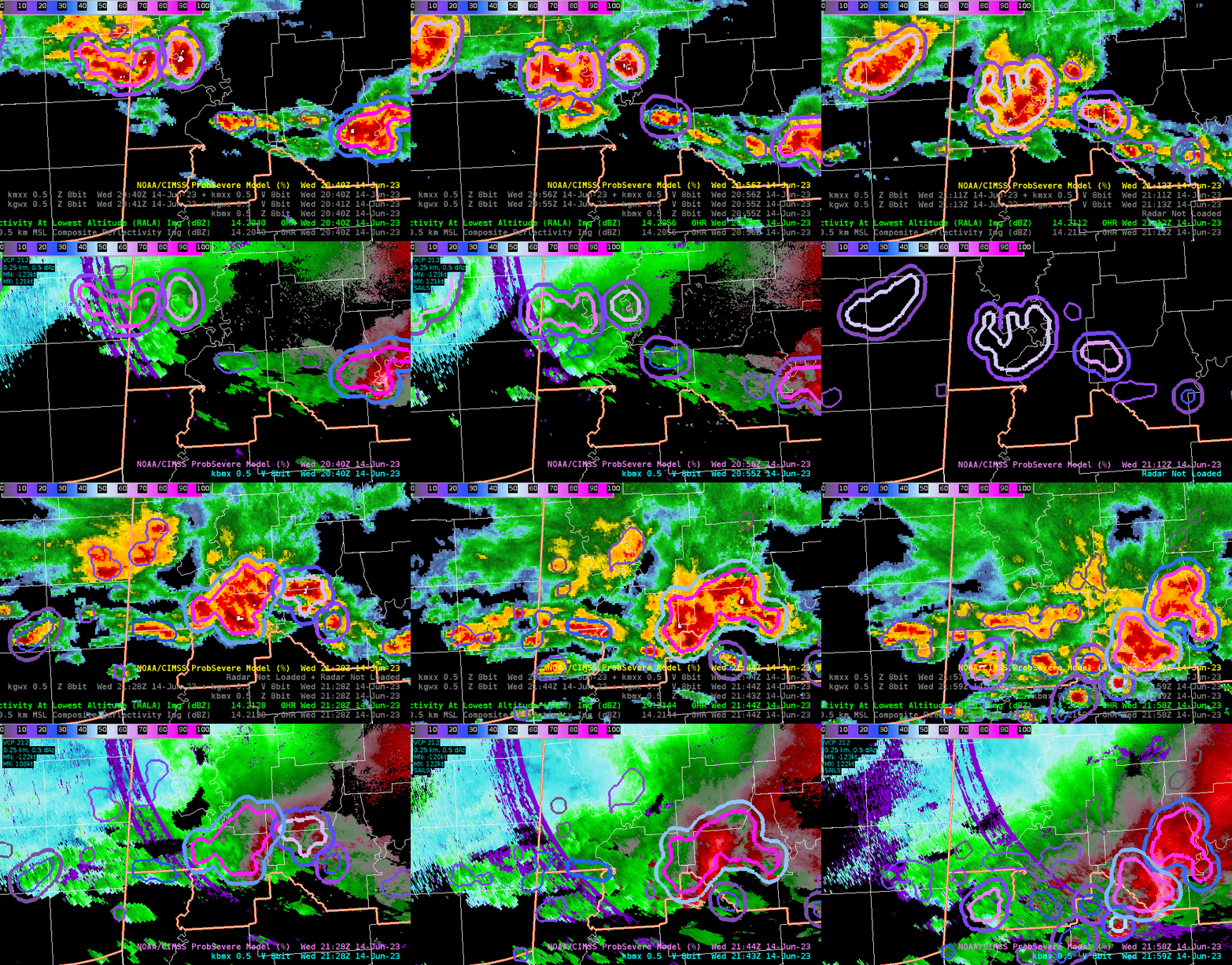
If we look at the cell on the border of Huerfano and Las Animas at the beginning of the loop has high speed (red and yellow) on the loop showing a mature thunderstorm. However, as the loop continues we notice the wind speeds quickly drop (green). This indicated the storm was starting to weakening which was verified on radar.  -Thunderstruck

Tags: None

PHS SBCAPE Data in NV

Here is what the PHS SBCAPE forecasted for 5/24, 20Z across NV.  (Some of the purple circles within the areas of blue hinted at ongoing convection).  This matches up well compared to the forecasted 20Z SPC Mesoscale Analysis SBCAPE.  How did it verify?

The 20Z SPC Mesoscale Analysis SBCAPE had an area that was 2,000 J/kg.  However, this appeared to be overdone as there  was widespread convection occurring across this area.

Remember, the PHS hinted at ongoing convection in some of these areas.

-Champion

Tags: None

PHS Comp Refl Data in NV

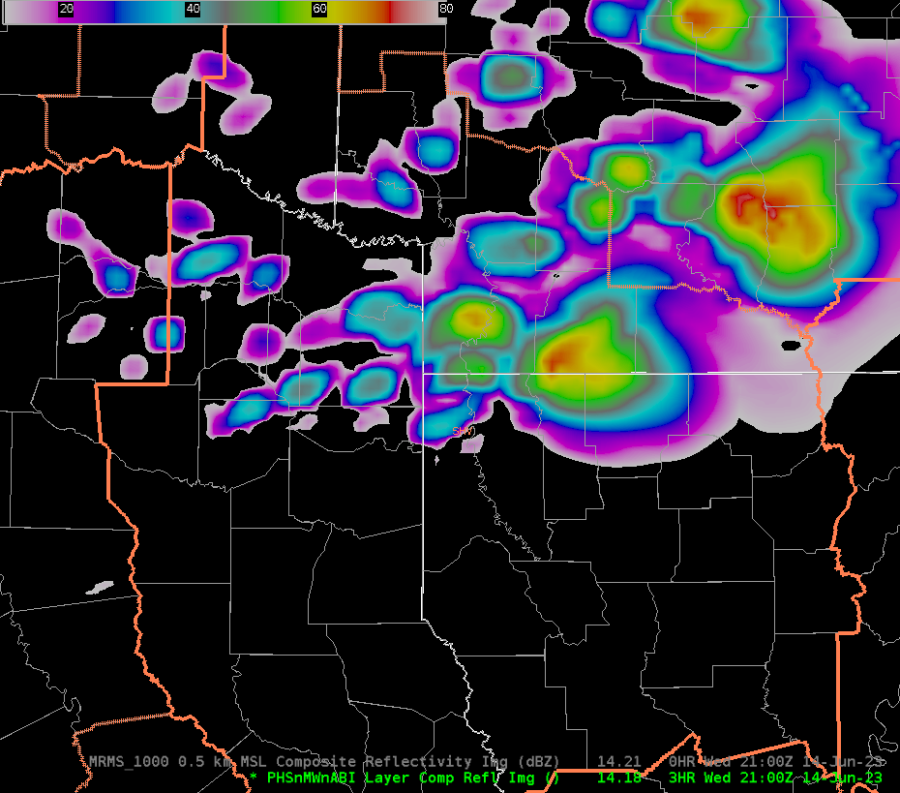
Here is what the PHS Comp Refl was forecasting for 5/24, 22Z across NV.  How did it verify a few hours later?

MRMS 0.5 km Comp Refl at 22Z showed a broad area of convection over NV.  What’s interesting is how some of the individual storms were very, very close to the locations where the forecast hinted at there being individual storms.  Keep in mind, the radar coverage in this part of the country is not very dense.

-Champion

Tags: None

Still Monitoring Convection with Octane and Prob Severe

Octane indicates decent upper level divergence aloft in thunderstorm located east of Ft. Stockton 2240Z (1740 CDT). This prompted me to analyze the storm further with base radar data overlaid with ProbSvr v3.

Octane located in the upper left indicates strengthening values in the storm near Ft. Stockton. 

Further investigation analyzing base radar data with ProbSvr indicates the storm is still sub-severe.

– Rain-Free Bass Guitar

Tags: None

Sectorizing Initiation Points and Greatest Severe Threats By Low Level Moisture Content

RGB Satellite Product Using Split Window Difference

The quality of boundary layer moisture will be important to the severe convective threat across the MAF CWA today. Using the late morning split window difference field (within the RGB shown below), the greater moisture field can be found over northeastern portions of the CWA with the subtly greener shade of color. This color shade in the northeast generally overlaps with surface observations showing >60 F dew points. The color shade is more blue in central portions of the CWA where dew points drop into the upper 40s. While dew points are still lower in the southwest, there is a color shade difference where higher terrain exists (as well as greener vegetation). In this area early morning orographic convection had developed. By the mid afternoon, convection had developed near the moisture gradient in the south central portion of the CWA as well as near the northern moisture gradient along a surface low over the southwest New Mexico border.

PHS Analysis

The PHS forecast product agreed with the overall moisture gradient, where greater dew points and lower LCL’s draped the northeast corner of the CWA. Subsequently, the PHS MUCAPE product showed greater instability within this corridor.


PHS Dew Point

PHS LCL

PHS MUCAPE

Even with these satellite based products analyzing the moisture content well before the convective threat later today, it lines up well with the forecast greatest severe threat from today’s SPC outlook (shown below), with the Slight risk favoring the northeast portion of the county.

– Joaq

Tags: None

PHS as a SA Tool for Incoming/Developing Convection

Thunderstorms advecting (and developing) from the west appear to be moving into a better thermodynamic environment. SB CAPE parameters between 3k and 4k J/KG analyzed by PHS across the northeastern counties of the MAF CWA lead me to believe storms will strengthen in the next couple hours as they move into this region. SB CAPE values from 3,000 to 4,000 J/KG are analyzed by PHS at 23Z.

– Rain-Free Bass Guitar

Tags: None

LightningCast Graph For Lubbock Airport

This is a great example of LightningCast application that could be used for TAF forecasts or DSS. As the image above shows you can see the chance of lightning slowly going up for the airport getting to around 20 to 30% before the first lightning strike within 10 miles and above 60% before the first strike before it hit within 5 miles. More localized research would have to be done to see the threshold for DSS and TAFS. But in this example if we used 30% threshold we would have a 15 to 20 minutes lead time before lightning got within 10 miles of the airport.

-Thunderstruck

Tags: None

NUCAPS Forecast

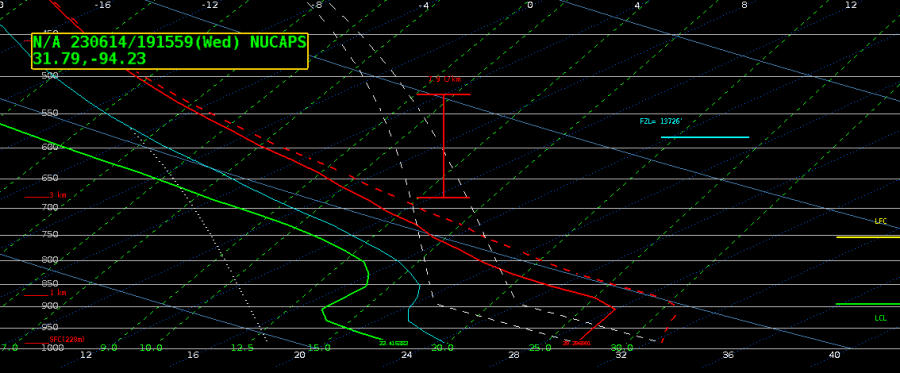
NUCAPS Forecast SBCAPE from 21Z through 01Z shows that the best instability will be across the central and eastern half of the CWA, while gradually shifting east through time. Storms seemed to match this well as they strengthened as they pushed farther east into the CWA.

-Dwight Schrute

Tags: None