Monitoring Scattered Convection in northern IN & Tin Caps DSS

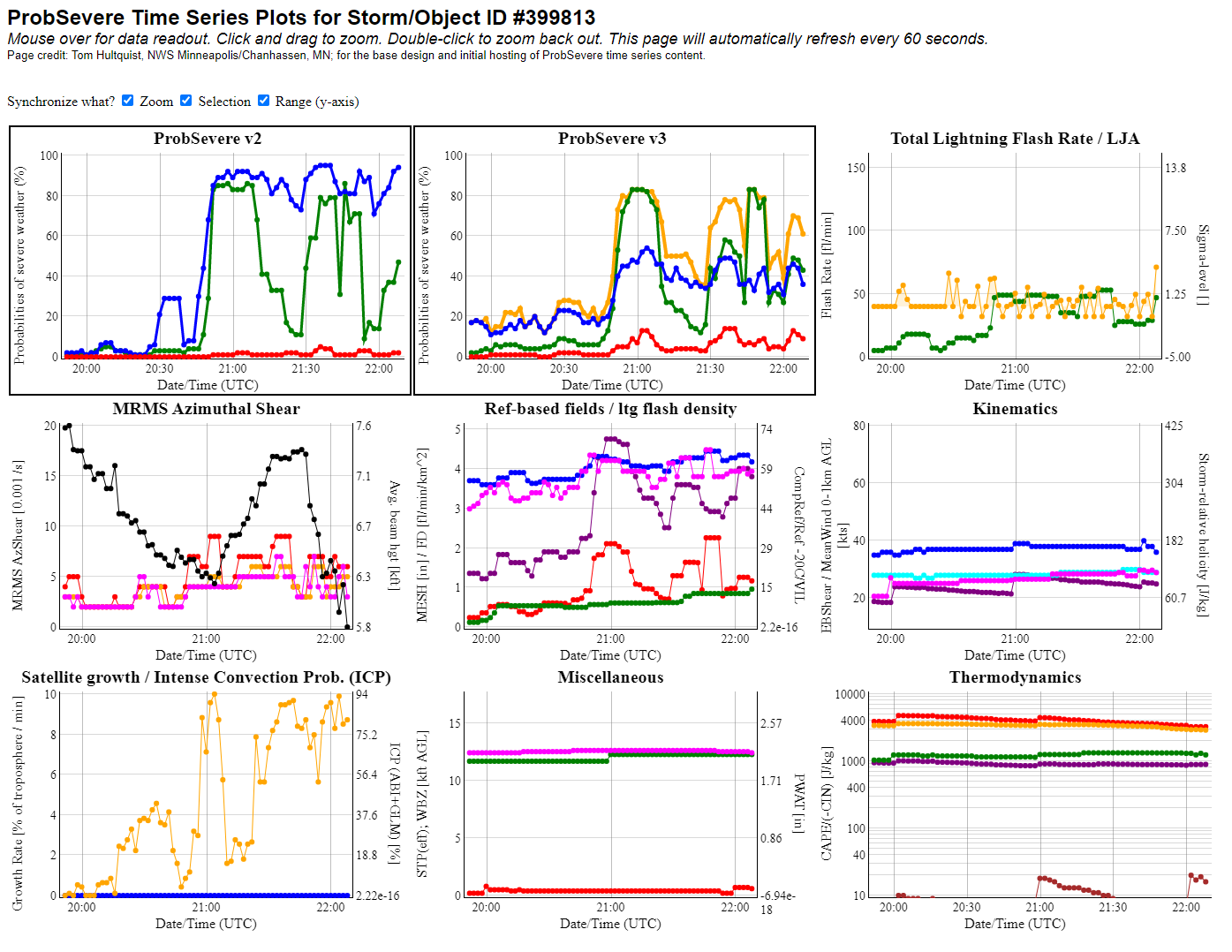
I decided to submit a quick DSS briefing for the Fort Wayne Tin Caps with DCPD indicating glaciation and weak echoes on radar. LightningCast was starting to increase over northern IN for that weak developing convection. Additional convection is spreading in from the south, and higher LightningCast contours are also spreading in. PHS shows increased CAPE over the next hour.

Left: DCPD with GLM and LC. Right: Base reflectivity with LC

Loop of base reflectivity and LC from 1938 to 2014Z:

Left: PHS forecast CAPE at 20Z. Right: PHS LI at 20Z

First GOES flashes a little after 20Z. DCPD with GLM FED and LC

However, by 21Z, lightning is limited pretty much to cells to the northwest and E/NE of Fort Wayne.

Happily, LightningCast called the lightning flash east of Fort Wayne about 10 minutes out (small pink circle east of Fort Wayne)

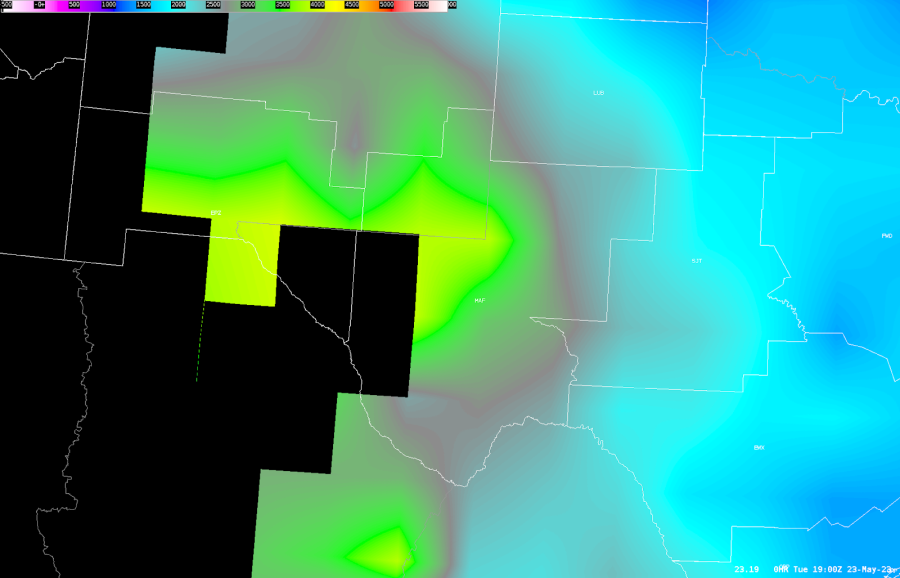
Why is barely anything happening? Convection looks to be “firing” now on an instability gradient. Indicated by PHS at 21Z:

Am I confident that things will ramp up at all for our area within the next couple of hours? So-so. Here is PHS CAPE and LI for 21Z.

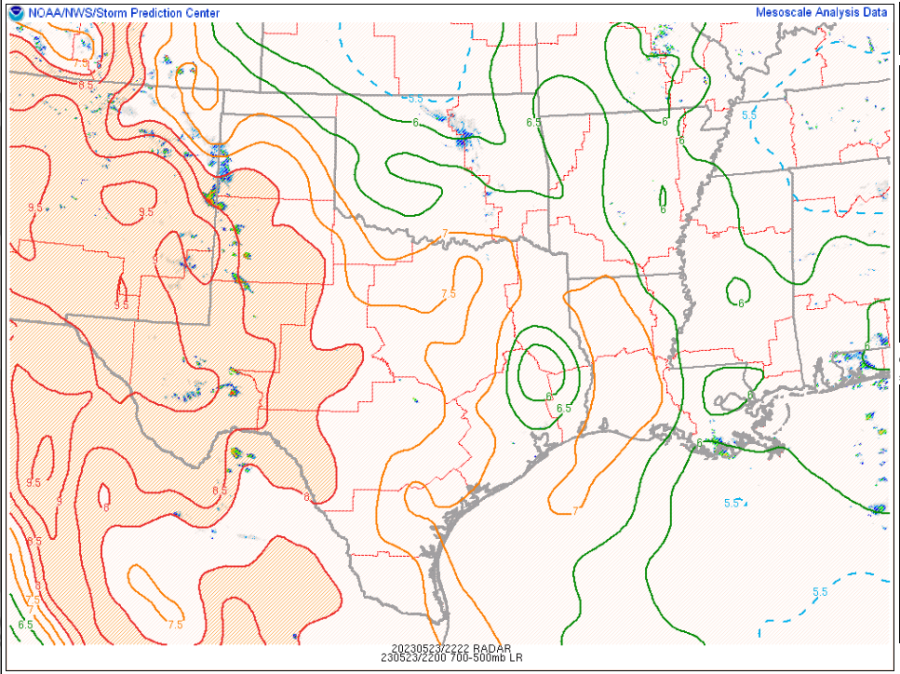
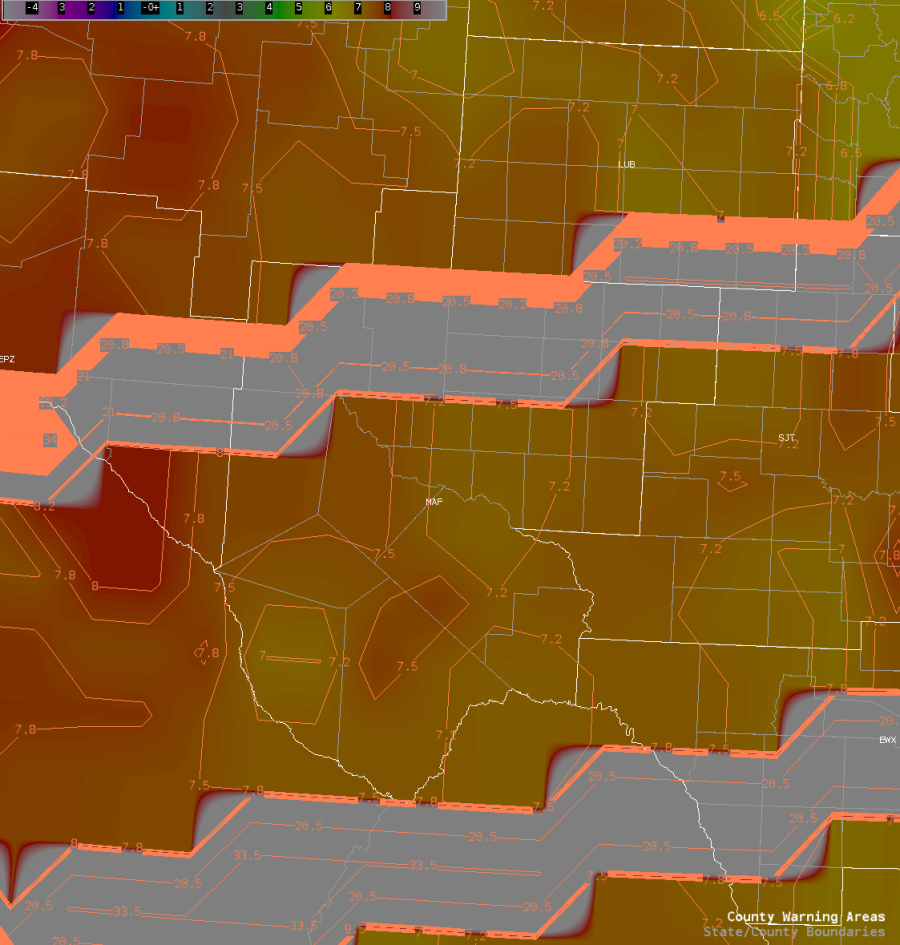
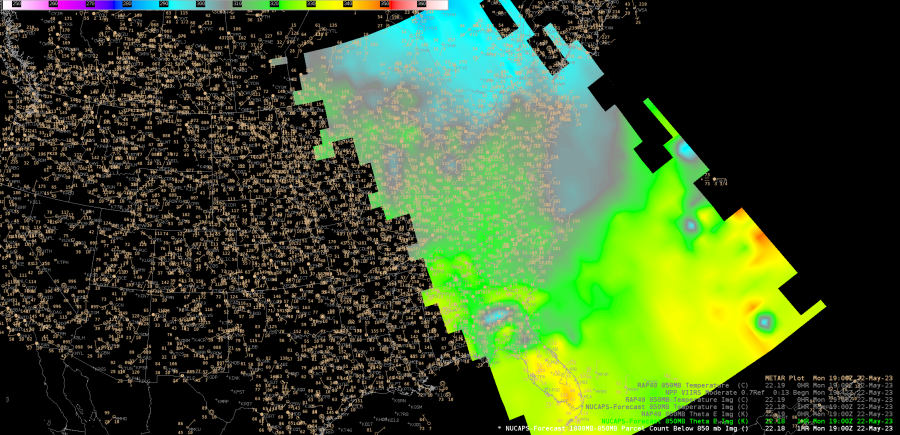
And gridded NUCAPS 850-500mb lapse rates at 1730Z, ranging from around 4.5-6C/km

However, zooming out, there is an area of convection across central IN that should begin approaching our southern CWA boundary within the next half hour. Here is the GLM 4 panel with GOES clean IR underlaid with the FED, at 2130Z.

– PoppyTheSmooch

Memphis, TN Synopsis

Synopsis

An upper low and cold front is expected to move across the lower MS Valley. As the upper low moves east today, weak shortwaves embedded in southwest flow will lead to a marginal risk of thunderstorms as they form along and ahead of the front over the Memphis region. The main concern was a moderate risk of excessive rainfall for this afternoon/evening.

IR imagery. Upper low located near the OK Panhandle.

Surface analysis map of the surface low and attendant front.

Surface observations as of 4:00PM CDT.

SPC Day 1 Convective placing TN at a marginal risk.

MLCAPE ~500 J/kg.

PHS displaying weak CAPE/LI values and a well-defined dry line just west of AR.

WFO Memphis headlining excessive rainfall outlook.

WFO Memphis headlining marginal risk of severe storms.

Most of the severe storms were east and south of our area of interest shown here with GLM.

GLM overlaid with Radar.

GLM overlaid with satellite imagery.

LightningCast

ProbSevere3 showing a low risk of thunderstorms.

Optical Flow winds show an area of divergence over eastern and southern AR/TN border.

Vortex Power

BMX – Daily Updates

GLM proved useful early on in combination with MRMS VII. It showed areas of strengthening storms that were reflected in radar later. A pair of severe warnings were then issued.

This was a good prob severe null case where odds remained steady along with stationary or declining GLM values. A correct no-issuance followed even with base velocity showing 50 kts or so of wind on the lowest scan. Some other prob severe oddities occurred during the day such as odd object tracking and weird percentage changes. QLCS tornado odds seemed too low as discussed. Overall though, it continues to provide useful information.

The PHS forecast again correctly identified the highest risk areas where storms strengthened and tracked. It mirrored other sources so I would still like to see if overall it is better or not.

Prob severe highlighted this storm ahead of time before it went severe in Mobile’s area.

NUCAPS provided limited use today. Overall, heavy cloud cover limited usefulness of a number of products compared to the clearer case in Texas the day before.

Some Random Guy

MAF Testbed Observations

ProbSevere v3

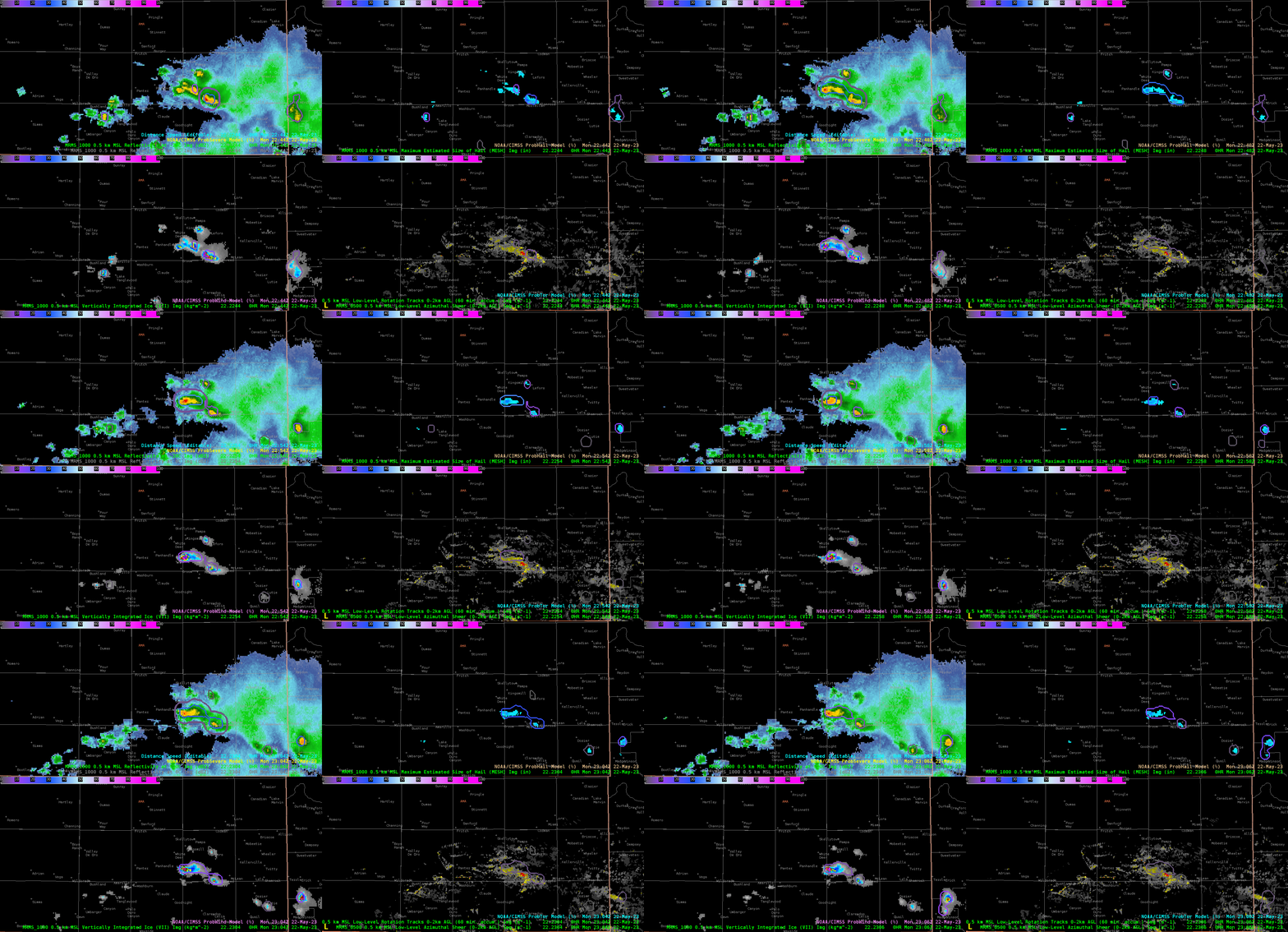
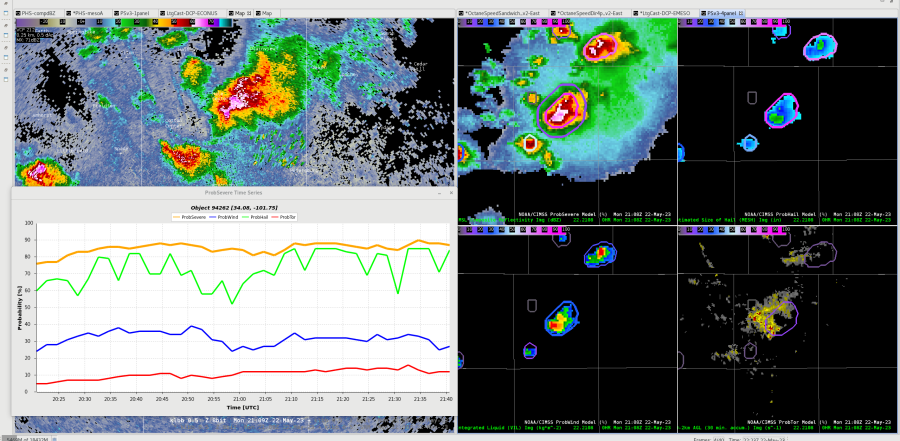
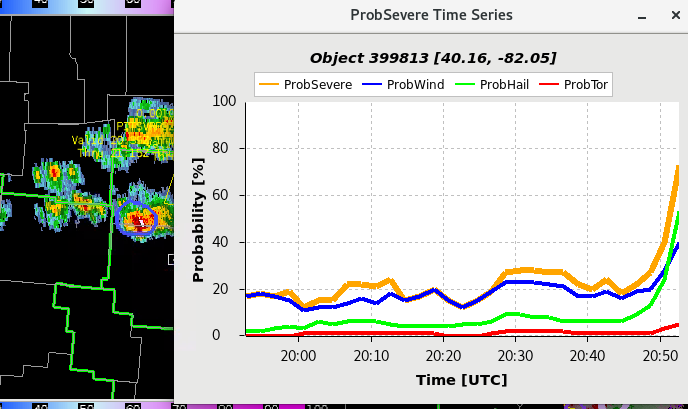
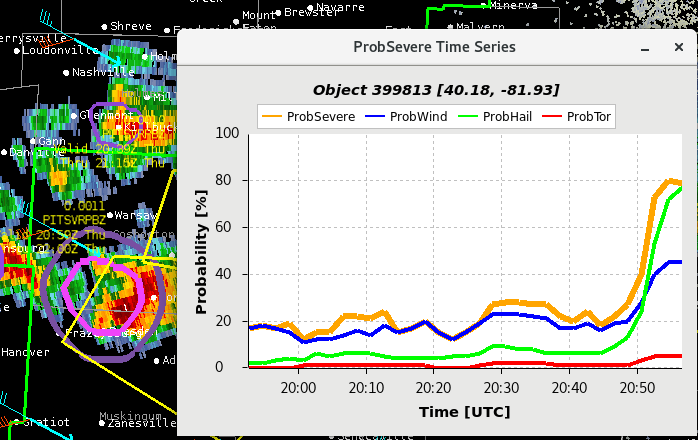
For the initiation of convective storms, I found that the ProbSevere performed the best over the other products available to me today. I have seen over the last couple of days that the best use of ProbSevere is the trend table. The steep increase in these total severe values support radar trends that suggest a warning is necessary. For the initial warning on severe storms, this was the best use.

The only negative to this product was the latency. While the latency was only on the order of 2-5 minutes, this was equivalent to appx. 2 radar scans that indicated to me ahead of time that this storm was strengthening. This can lead to some confusion especially if the storm is quickly pulsing and falling.

Additional upticks were noticed in subsequent SVR issuances throughout the afternoon that provided a nice heads-up in conjunction with the radar data. These were used in the context of the storm maintaining its strength after the storm was warned and again after the storm re-pulsed several minutes later.

It is also worth mentioning that the perceived threat of ProbSevere was also the shared opinion of the forecast (forecaster perceived threat for hail had the highest ProbS. probability). Once the storms reach the “cap” of their ProbSevere, it becomes of little use.

GLM

GLM was useful during convective initiation, but did best for storms that were already at the peak of the ProbSevere threshold. GLM showed additional pulses in a mature storm that had a 90% probability of being severe and added confidence to the warning forecaster that the storm had gained additional strength which manifested itself in larger hail for example.
It was however short-lived as the storm gained additional intensity but did not show the corresponding increase in GLM FED that one would expect. This was explained as a limitation due to the structure of a mature (and severe) thunderstorm.
Min Flash Area also reached its lower values on several storms which provided little to no additional data. Maybe this used in conjunction with total optical energy would be useful, but this yielded no significant results when investigating briefly.

PHS Model

The PHS model was very useful today ahead of convective initiation, but more so in an advective situation.
Instability parameters were observed as ongoing severe storms moved SW toward the established instability gradient. ProbSevere outlined areas are moving SW in the image below across an area of relatively high CAPE and low LIs. This provided useful information about the existence of a boundary and the motion of the storms along with the pre-conditioned environment.
The model did have limitations as the storms became ingested into the later runs of the model and the storms showed developed cold pools. The environment depicted in this situation had become dominated by nearby cold pools of incorrectly placed convection which limited the model’s usefulness.

LightningCast

Not much use of the lightning cast today due to the lack of CI within our CWA, but we did get a chance to look at the advection of lightning. In general, this proved to be a little too slow. It seemed the contours were tight to the storm and storm motion was rather slow, but the lead time on lightning detection was around 30-40 minutes. With an advecting storm, I would have expected this to be rather accurate to the 60 minute threshold that it attempts to achieve, but 30-40 minutes is still VERY useful for DSS and now-casting purposes.

NUCAPS

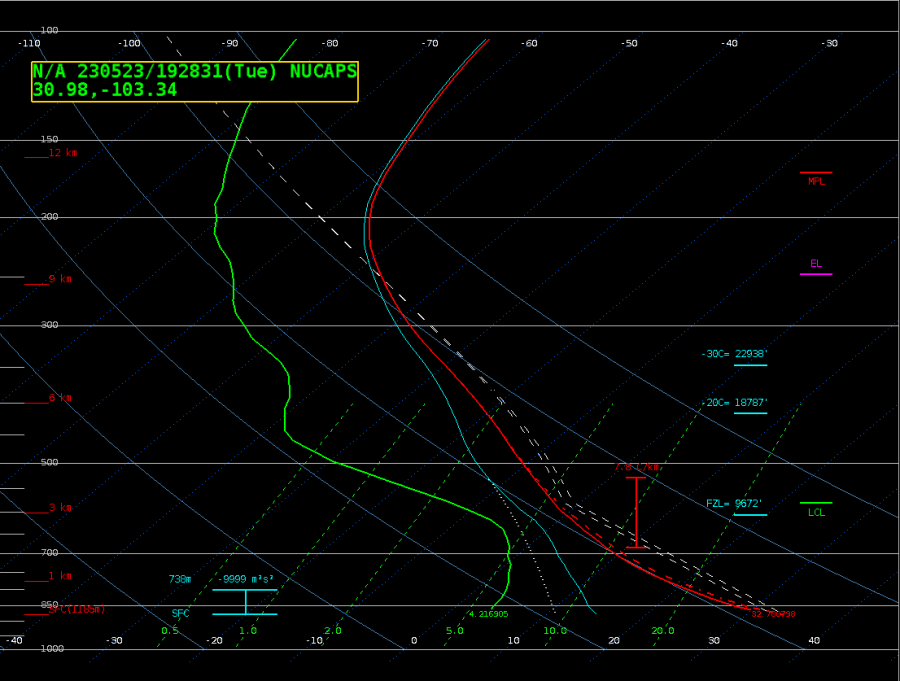
NUCAPS had some interesting results today, primarily in the way it reported green, yellow, and red data points. Some of the gridded data was unavailable for points with green-retrieval and this was puzzling because it would have indicated a dry slot over the DFW region that was evident in the water vapor and visible satellite. However, the data grid boxes were missing or contaminated with bad data over a mostly clear area. Areas with similar cloud coverage performed as expected. The pop-up skew-t continues to be the best tool in this suite of products, provided the data points are green-retrieval.

Optical Flow Winds

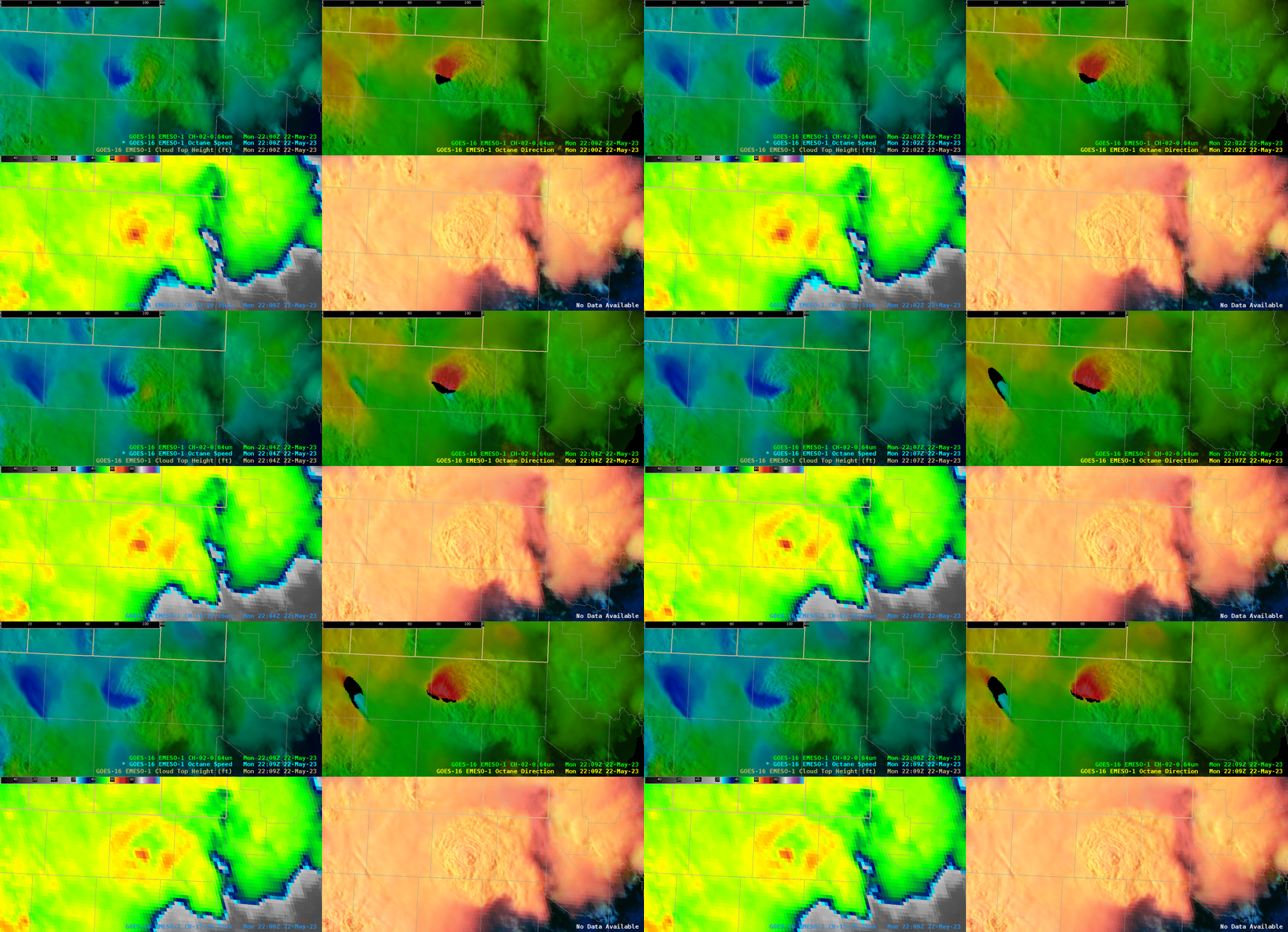
Not much use on the optical flow winds today due to the fact that ongoing convection muddied the data. Overshooting tops were visible for a brief moment, but quickly engulfed in strong storms and expanding anvils. The divergence field is really hard to gather meaningful intel from and the existing platform outside of AWIPS limits its overall usage. A suggestion in our group today was that divergence could be useful if the noise is limited. Perhaps remove values above and below a certain threshold. Instead of widespread values, draw attention to the important outliers.
– Overcast Ambience

Today’s details of products and warnings: Midland, TX

I found the PHS products useful for seeing the corridors of enhanced severe risk. They correctly showed that hail (or wind) was the highest risk compared to tornadoes.

ProbSevere was very useful with the trend lines. Again and again correctly identified risks as they occurred.

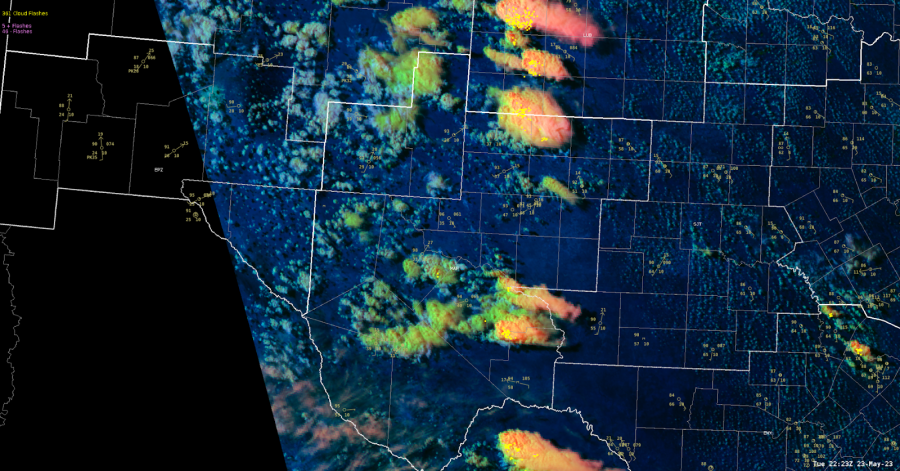
GLM showed strong ramp ups in activity prior to each severe issuance. No complaints here.

NUCAPS data was less useful, but with the skew-t pop up I was able to correctly see areas of mid level dry air. I did not use optical flow. Prob lightning was useful to see the first cells pop up but did not serve as much purpose after that with no known DSS opportunities.

Some Random Guy

Observations and DSS for Fort Worth, TX

AWIPS radar display over Texas. Synopsis – An upper level storm system and a cold front will bring a chance of showers and thunderstorms this afternoon and evening over the Forth Worth, TX area. Some storms could be severe with damaging winds and hail. Activity should exit to the southeast late tonight or early Wednesday morning.


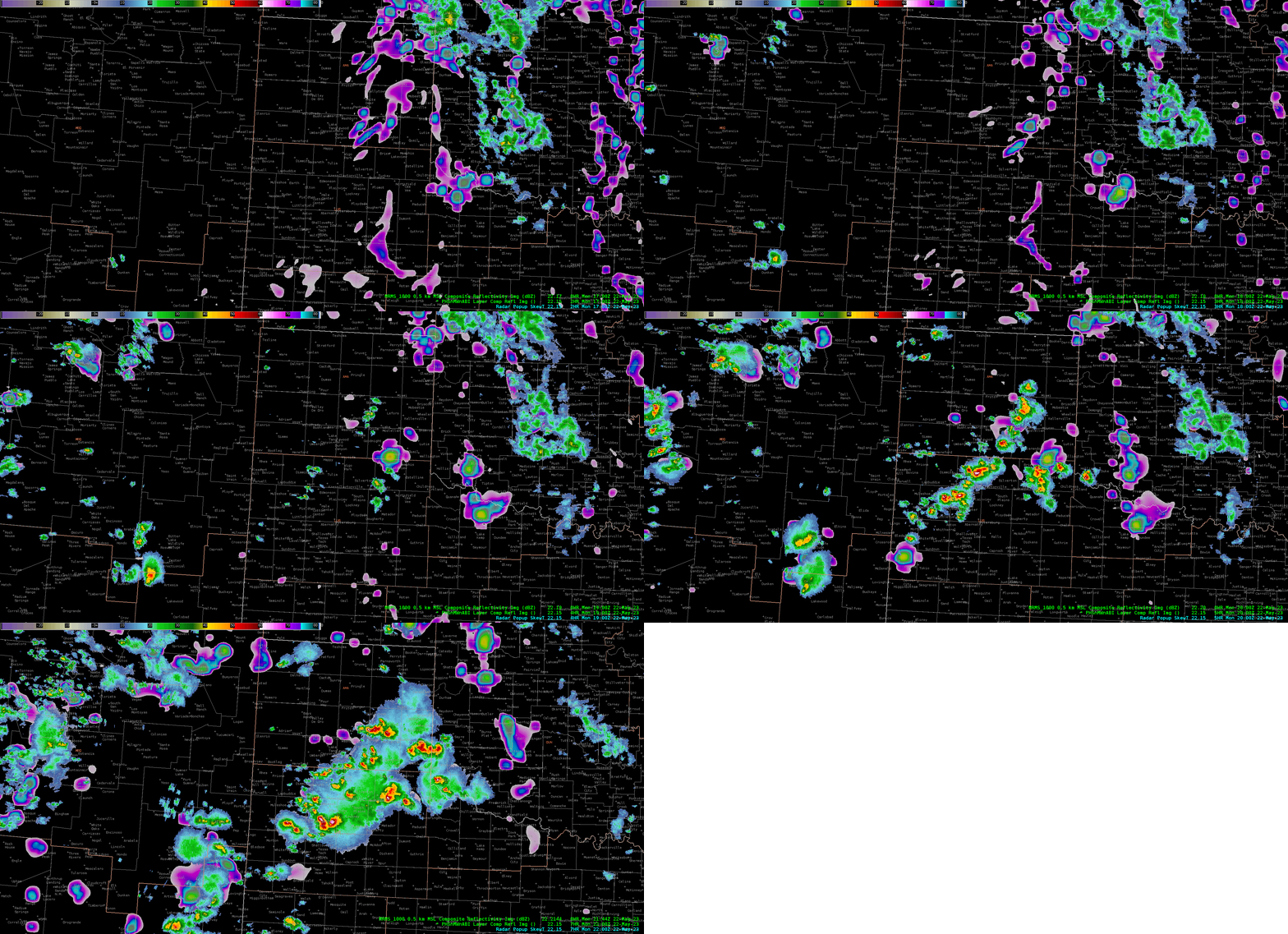
VIS: Storms initiating in the NM/TX border. Anticipating a line of storms to develop along western TX and pushing southeastward.
Infrared.


WV


DSS: Colonial Country Club – Charles Schwab Tournament – Forth Worth, TX


AWIPS radar display over Texas.


SPC Mesoanalysis:  CAPE values of 2500+ J/kg, setting the stage for active convection this evening over much of TX.


SPC gives an enhanced risk of severe thunderstorms across parts of TX.


VIS @ 22Z: Storms maturing quite well in SJT.


Issued another DSS update about the likelihood of lightning passing over the property.


Polygon warning.


ProbSevere 3.
Vortex Power
Tags: None

Fort Worth ProbSevere

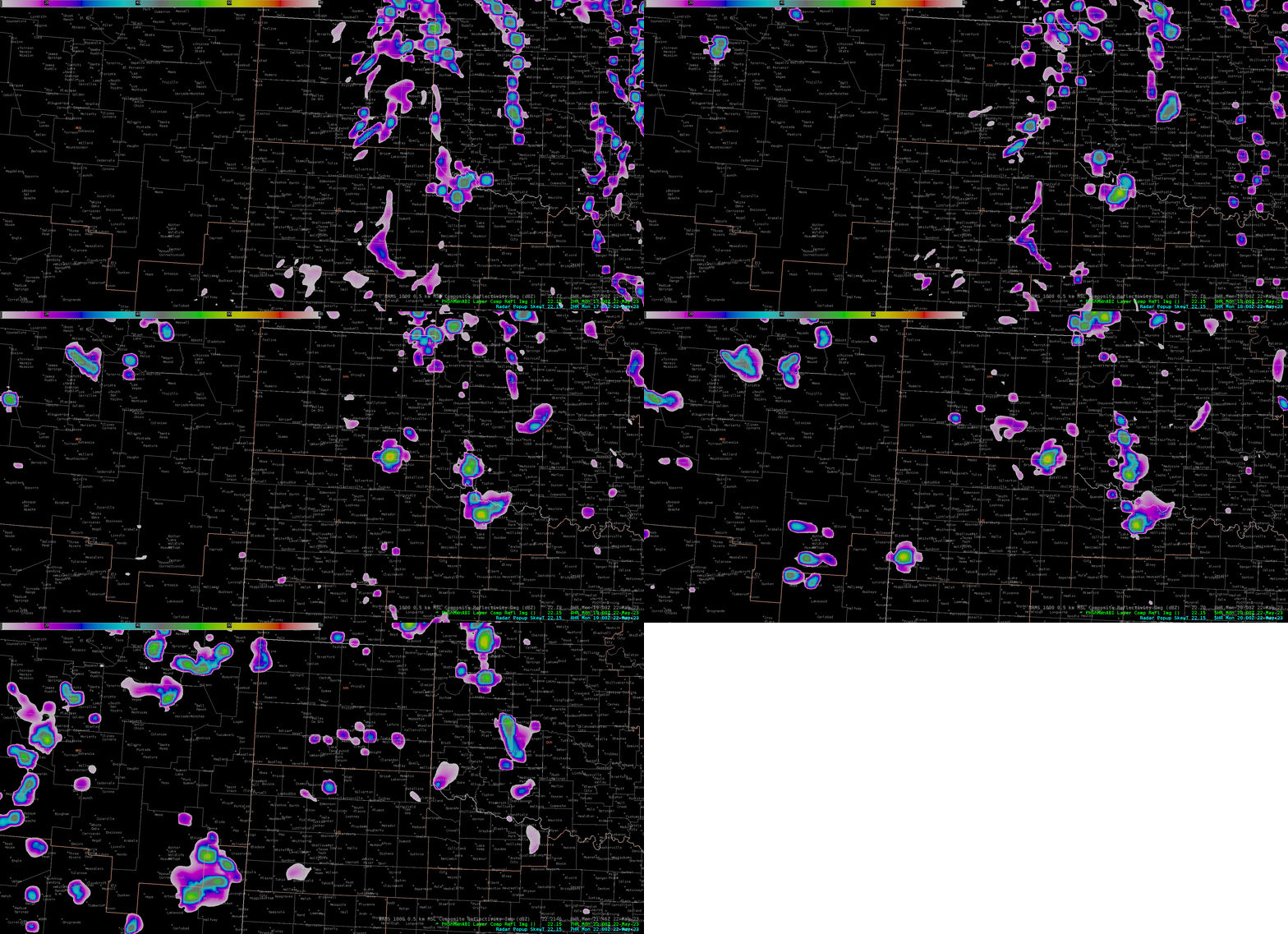
21:47Z: The 21:47 UTC Prob Severe with MRMS overlaid gave us situational awareness on where to focus our attention for severe storms. It highlighted two big cells southwest of our CWA, where the ProbSevere values approached 80 and 93%, respectively. The storm closest to our CWA had a 50 kt inbound velocity on the lowest scan.

Snowfan

Fort Worth NUCAPS

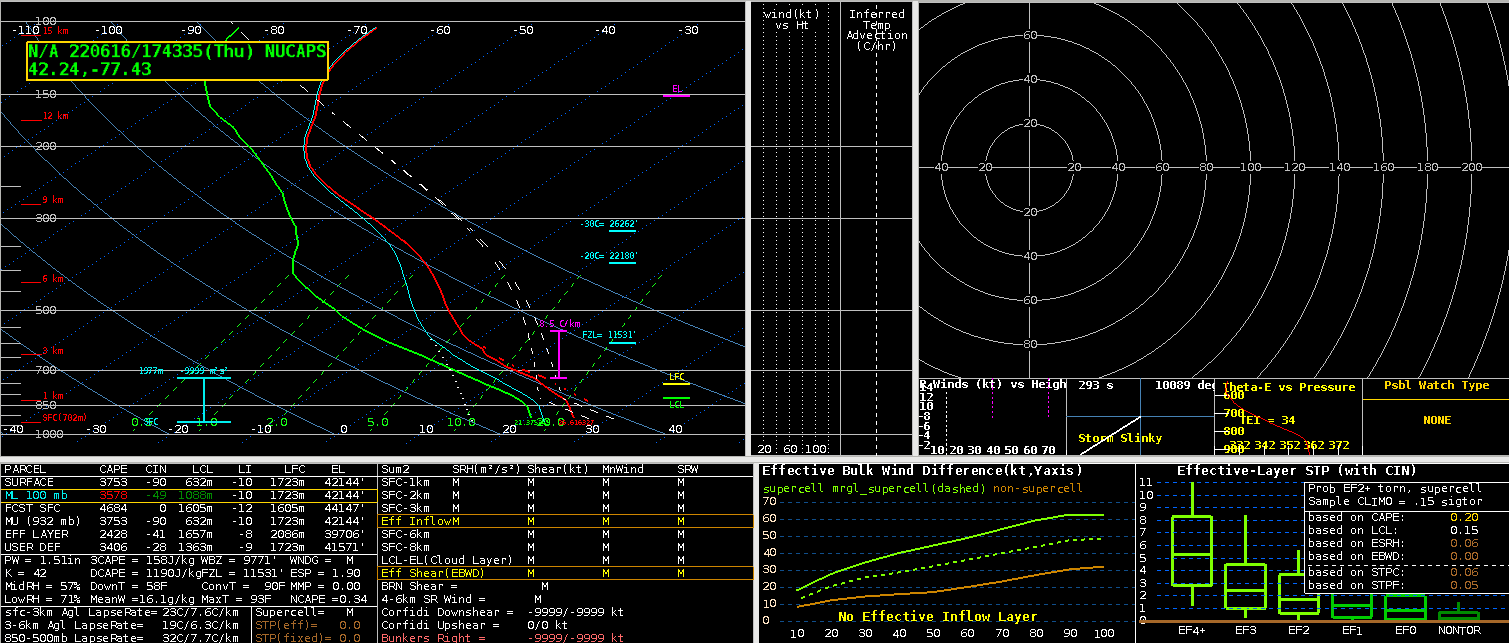
21:19Z: There was a NUCAPS passover around 1930Z over the Fort Worth area. One sounding in our southern CWA showed this:

The sounding showed MLCAPE of around 1500-1600 J/kg, with DCAPE values in excess of 1000 J/kg. Compared to the SPC meso page, these values agree quite well:

Snowfan

Fort Worth PHS

20:10Z: The PHS is showing a very unstable environment along/south of the outflow boundary, stretching southwest to northeast across the Fort Worth CWA. Temperatures are in the 80s south of the boundary with upper 60s to lower 70s dewpoints. North of this boundary, temperatures are in the lower 60s with lower 60s dewpoints.

Over time, close to 00-01Z, the boundary slides south and east toward the southern portion of the CWA, with SBCAPE over 2000 J/kg, STP values upwards of 3-5 (perhaps picking up on the better curved hodographs along the mesoscale boundary), and LI values approaching -8 to -10. The CAPE seems to match up very well with that seen on the SPC meso page. The SPC meso page had a higher STP southwest of our CWA at this time. This product helped me to focus on regions where new convection would likely form, good for situational awareness.

Snowfan