ENI compared to LJ

I’ve noticed a few cases today where the Lightning Jump Algorithm and ENI polygons and time series data do not line up as I might have imagined. Lightning jump is based on radar data whereas the ENI polygons and time series data use the Earth Network lightning data. Beam blockage due to the terrain in the Pocatello CWA may have affected the radar data going into the lightning jump which may account for some of the differences.

In the example below, the lightning jump algorithm shows a value of 6 sigma at 2301Z whereas the ENI time series shows only a relatively small increase in lightning activity at this time.
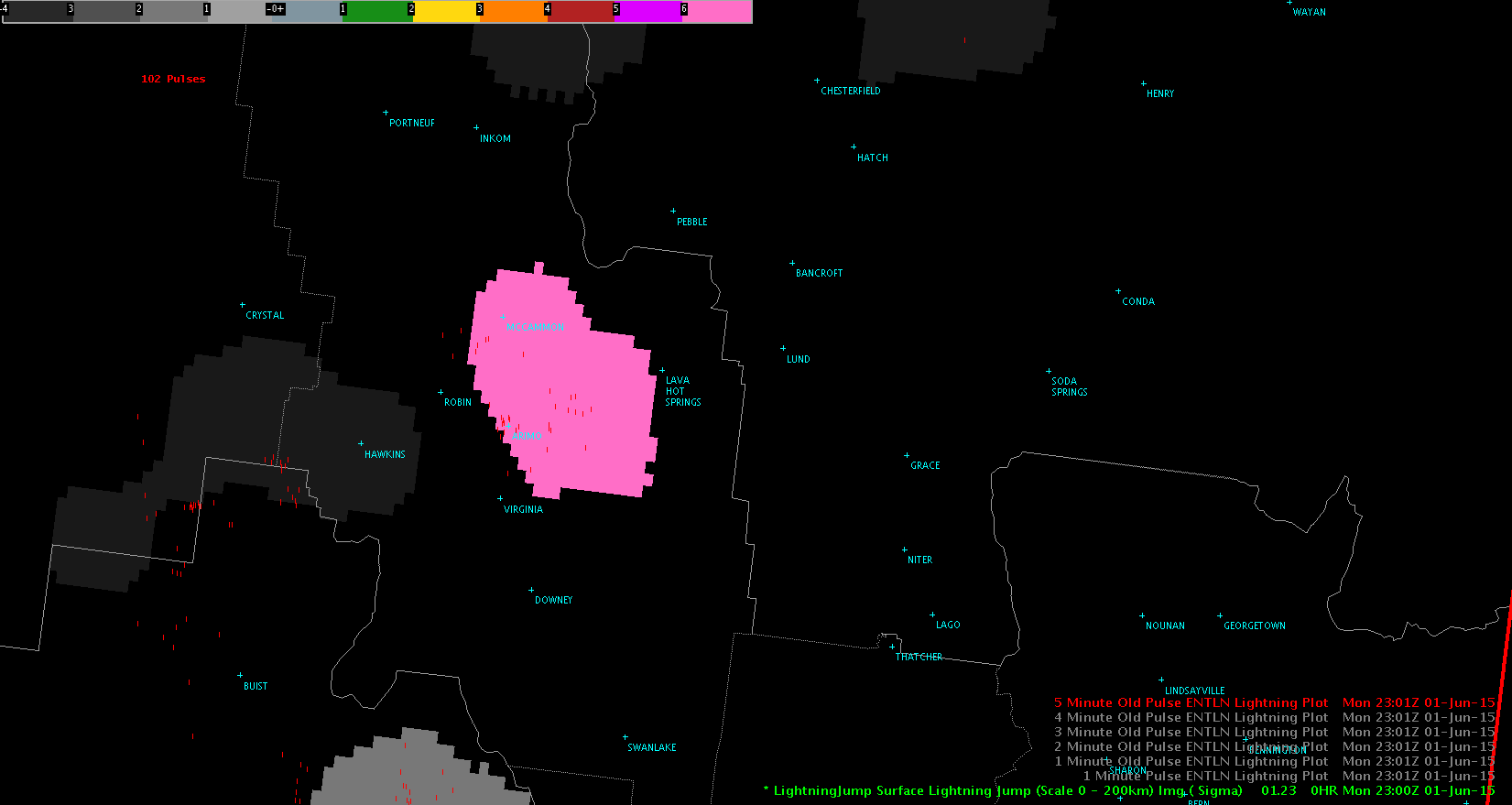
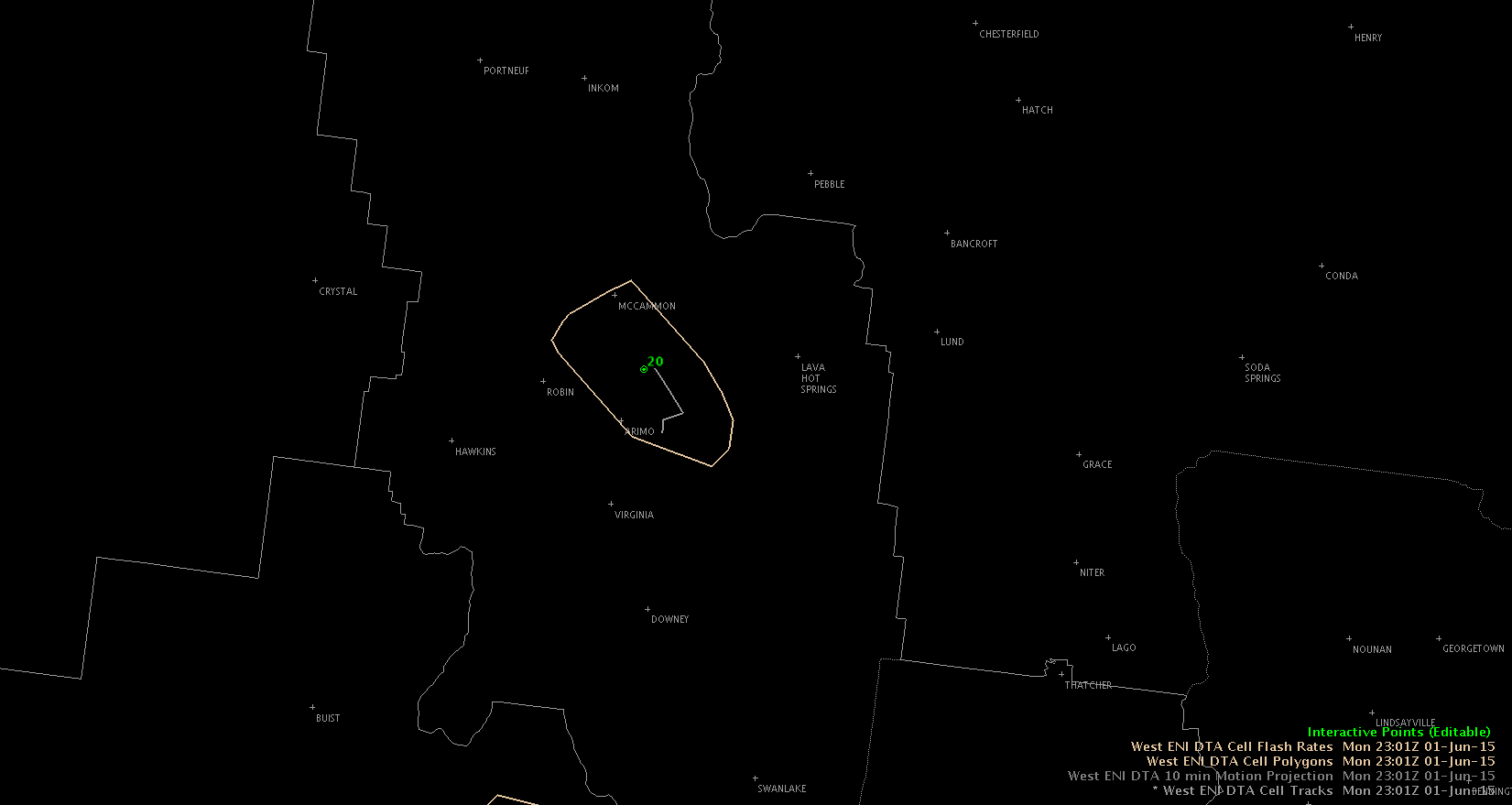
LJumpENIflashENItimeseries-Helen Hunt

Tags: None

6/1/15: 1st Severe TS Warning

We issued our 1st SVR at 2246Z. This decision was based on a combination of basic base data interrogation. Solid core of 50dbz with 65+dbz at 0.5 degrees. Dual-Pol showed signs of a TBSS in ZDR and CC radially behind the core.

In terms of experimental tools we noticed the Sigma Jump of 2 at 2237Z, then next scan showed an 11 Sigma. This can be seen in the gif loop below.

Zgifloop

Figure: Gif Loop of reflectivity and Sigma for lightning

LightningJump_2303Z_01Jun15

Fig 2: Plot of the the ENI lightning jump near the time of the warning.

It is interesting to note that the ENI lightning jump plot showed this rapid jump as well (fig 2). At this time the rapid jump could have also demonstrated a cell merger in conjunction with intensification of the southern cell which also demonstrated a low level mesocyclone along with a POSH/POH of 80/100 and MESH of 1.25″ (fig 3).

2246_Hail

Fig 3: 2246Z, Low level circulation and hail indicator on the HC plot.

Forecasters: Cattywampus/CoonieCatEye

Tags: None

Thoughts on Overshooting Tops and 1 min imagery

I was trying to think of how to use the overshooting top algorithm in warning ops.  The current 15 minute data it is useless to me.  I would be interested in the trend and the duration of the overshooting top for issuing warnings.  The longer the overshooting top, the more likely it will have severe weather.  As a result, the only data that would work for me is 1 min data.  I can compare this to the radar data as I get it.  I do not think that the 5 min data will work as it will wash out trends and the true nature of the atmosphere.

This made me think of QLCS and HSLC tornadoes.  If I had near real time one minute satellite data, I could find the strongest updraft in the line.  This could have a huge impact on these warnings, the FAR and POD for these storms.  The other thing that would help this would be a local maximum cloud top algorithm.  For example, make a 200 km x 200 km grid.  Use some nearest neighbour algorithm and find a local max in cloud tops.  This could lead to lead time with QLCS and HSLC storms.

Williams and MacGyver

Tags: None

Lightning Jump to 8 sigma

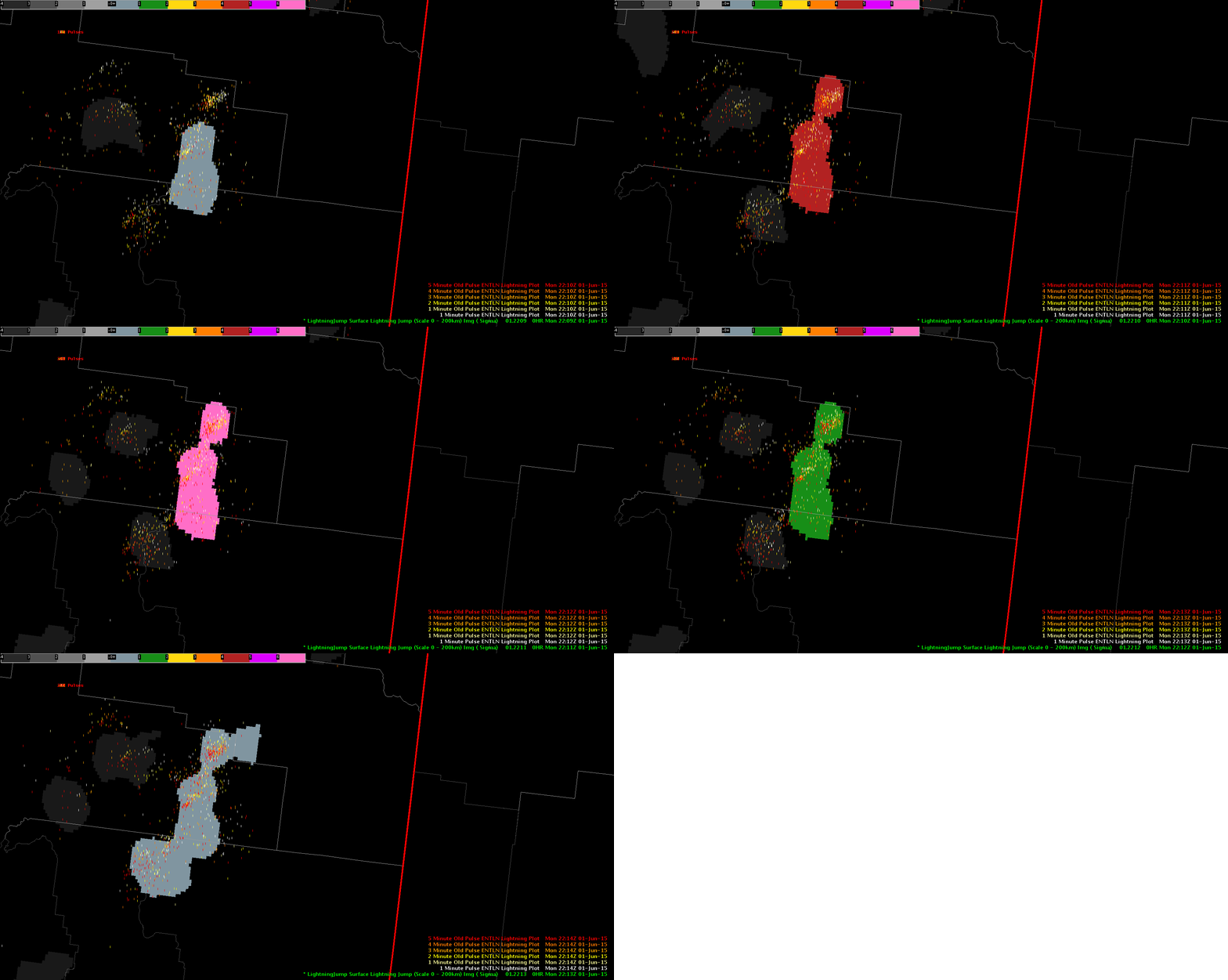
Click on the animated gif below to see how the lightning jump algorithm increased from 0 sigma at 2210Z to 4 sigma at 2211Z to 8 sigma at 2212Z. This was a great clue that the updraft of the storm was strengthening and that a warning may be necessary. We used this information in conjunction with the Prob Severe which was showing an increasing trend to go ahead and pull the trigger on a severe thunderstorm warning. It was interesting that although Prob Severe was showing an increasing trend, it was not over the 80% threshold. In this case, the lightning jump algorithm alerted us more than Prob Severe whereas we’ve seen other cases today where Prob Severe has been high and the lightning jump algorithm has been lower than expected.

LJA-Helen Hunt

Tags: None

6/1/15: Bismarck, ND

Several cells persist across Williams and northern Mountrail counties.  Noticed the cell over northern Mountrail showed CG lightning preceding any IC lightning. In this case the IC didn’t provide any leadtime or SA for a potential CG. Fig 1 shows 22:17UTC with a CG followed by 22:26UTC (fig 2) which shows the IC strikes.

2217Z

Fig 1. 2217UTC

2226Z

Fig 2. 22:26 UTC

Tags: None

Quarter Hail producer near Pocatello spiked on CIMSS Prob SVR Model

Chubbuck.prob_svr chubbuck_probsvr2

In about a 5 minute span the cell highlighted in blue showed a severe potential of only 20 percent but increased to 89 percent and produced reported one inch hail near Chubbuck south of Pocatello.   Interestingly the Lightning Jump detection algorithm did not indicate a significant rise in total lightning activity with this developing cell during the same time.

John Pendergrast


Tags: None

ENI, LJA & ProbSevere Used in Warning Decision

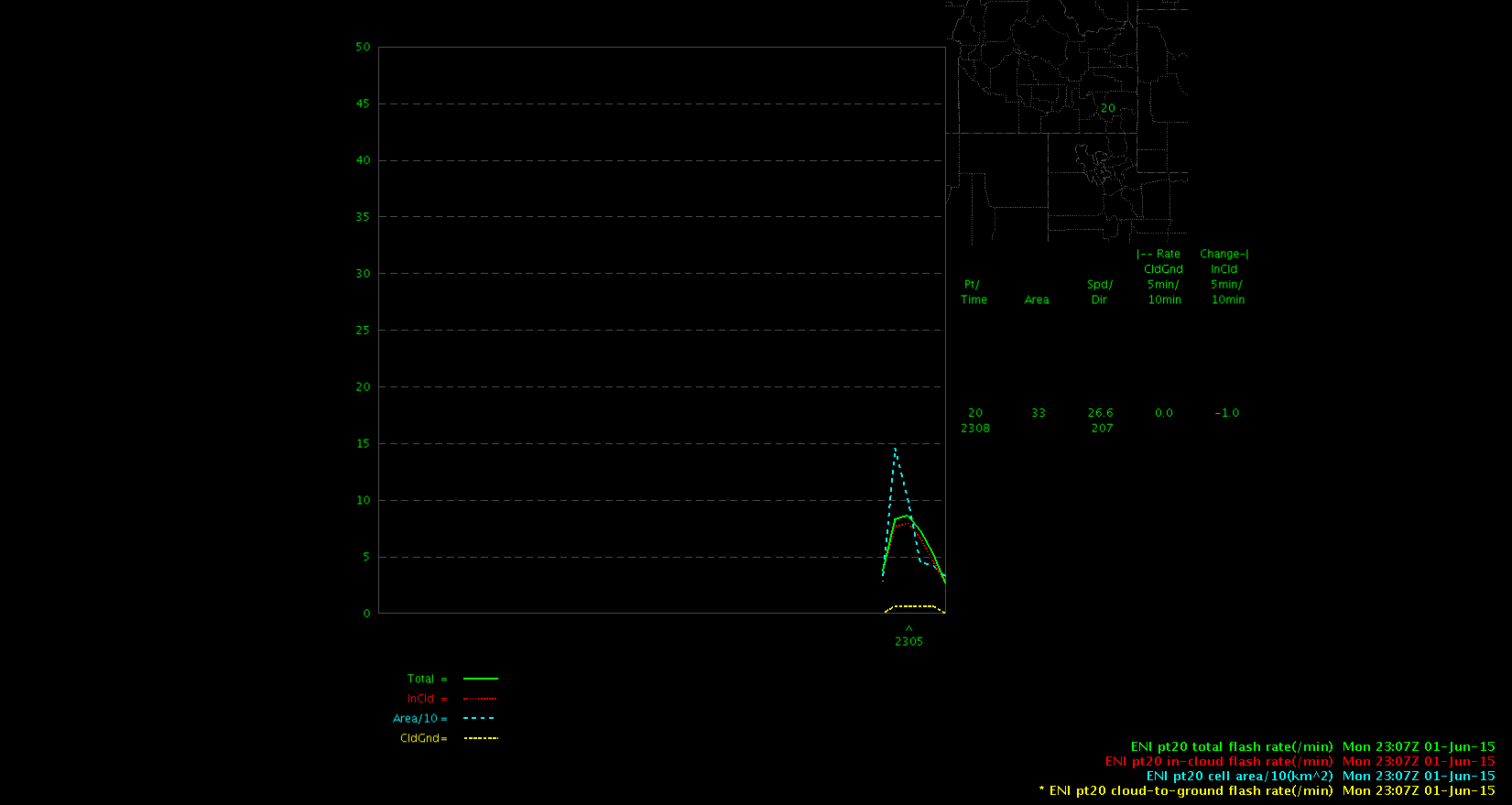
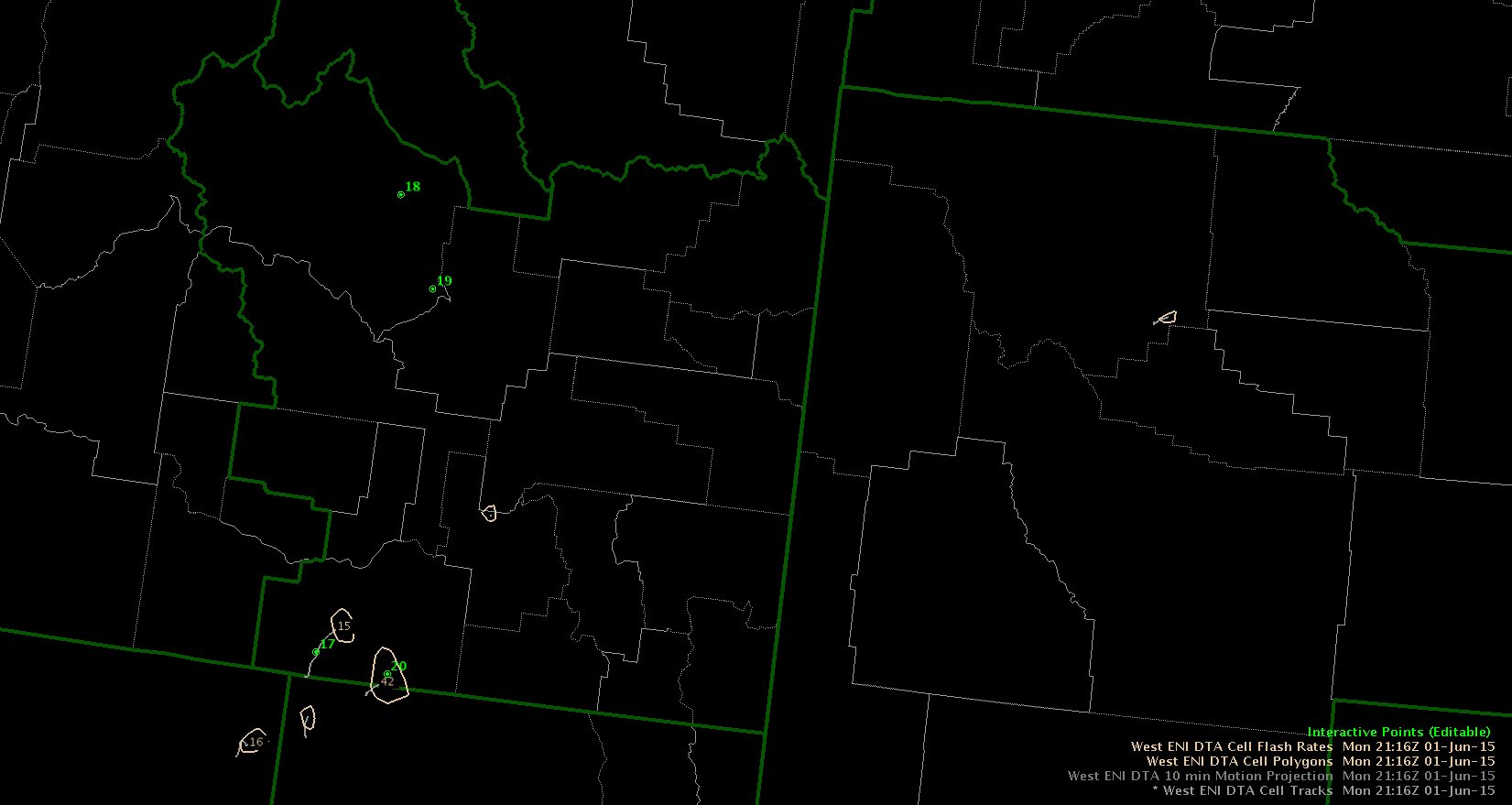
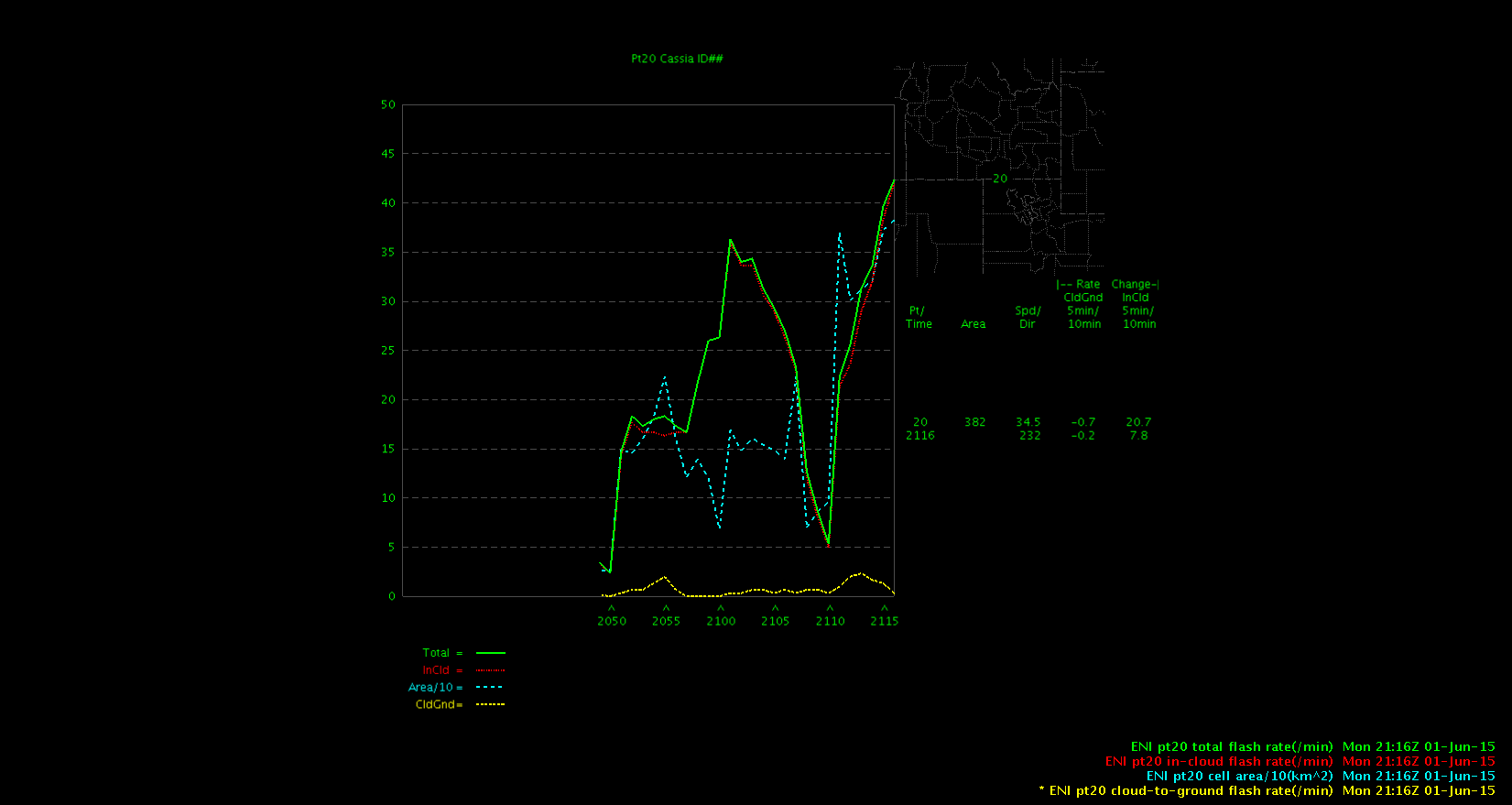
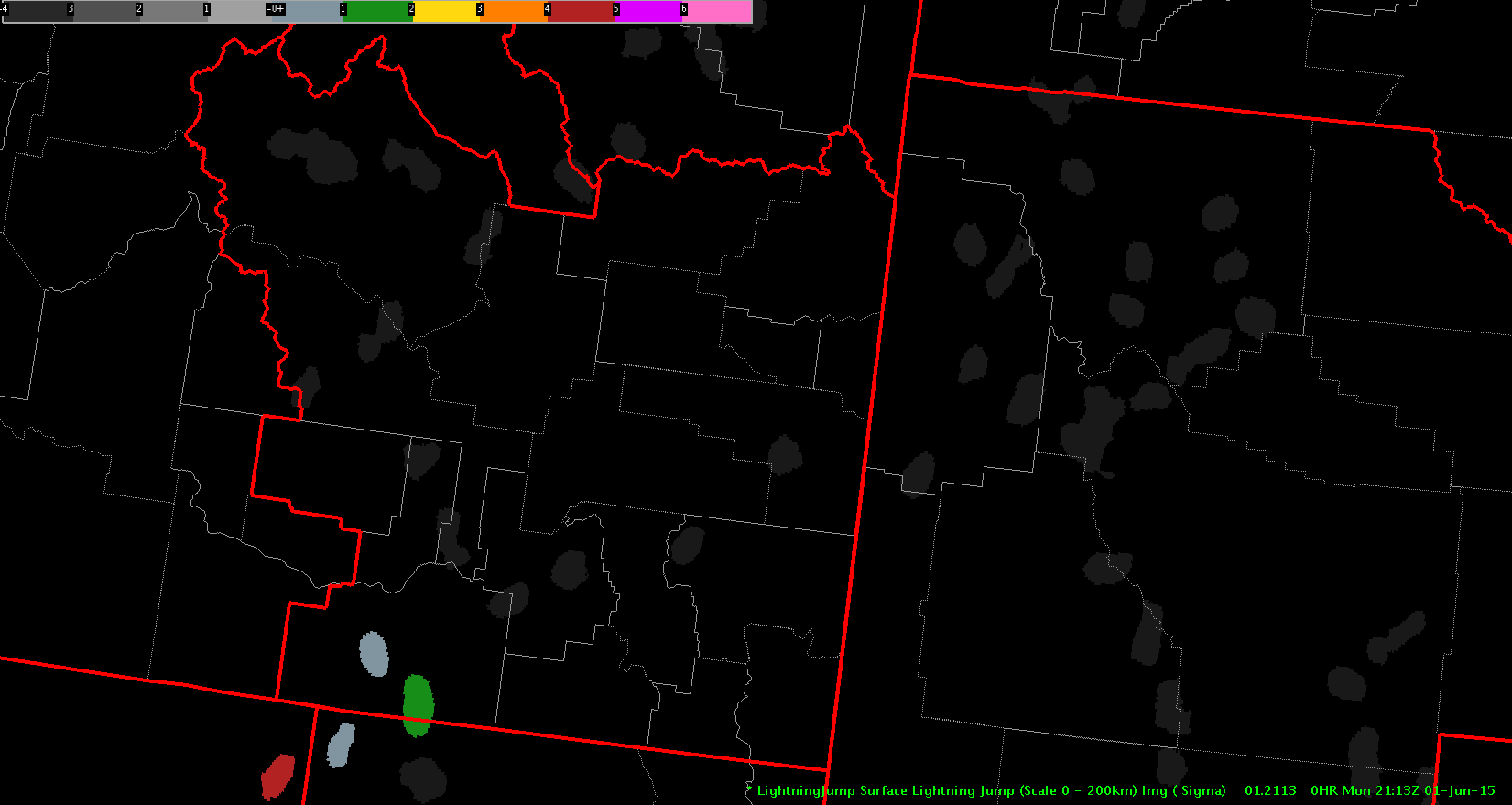
Overlaying point ’20’ with the West ENI DTA cell flash rate polygon showed significant increases in lightning activity in the time series product at at 2100Z and 2115Z. This was a good indicator that we needed to keep an eye on the storms and consider a warning due to a strengthening updraft. We probably should have issued the warning when we saw the first significant increase around 2100Z instead of waiting until 2115Z. ENIflashratesENIThe lightning jump algorithm product shown below displayed a value of 2 sigma at 2113Z on the same storm. I would have expected a higher sigma value, but the algorithm takes into account the big dip that we see at 2110Z, which averages out to an overall lower sigma value.

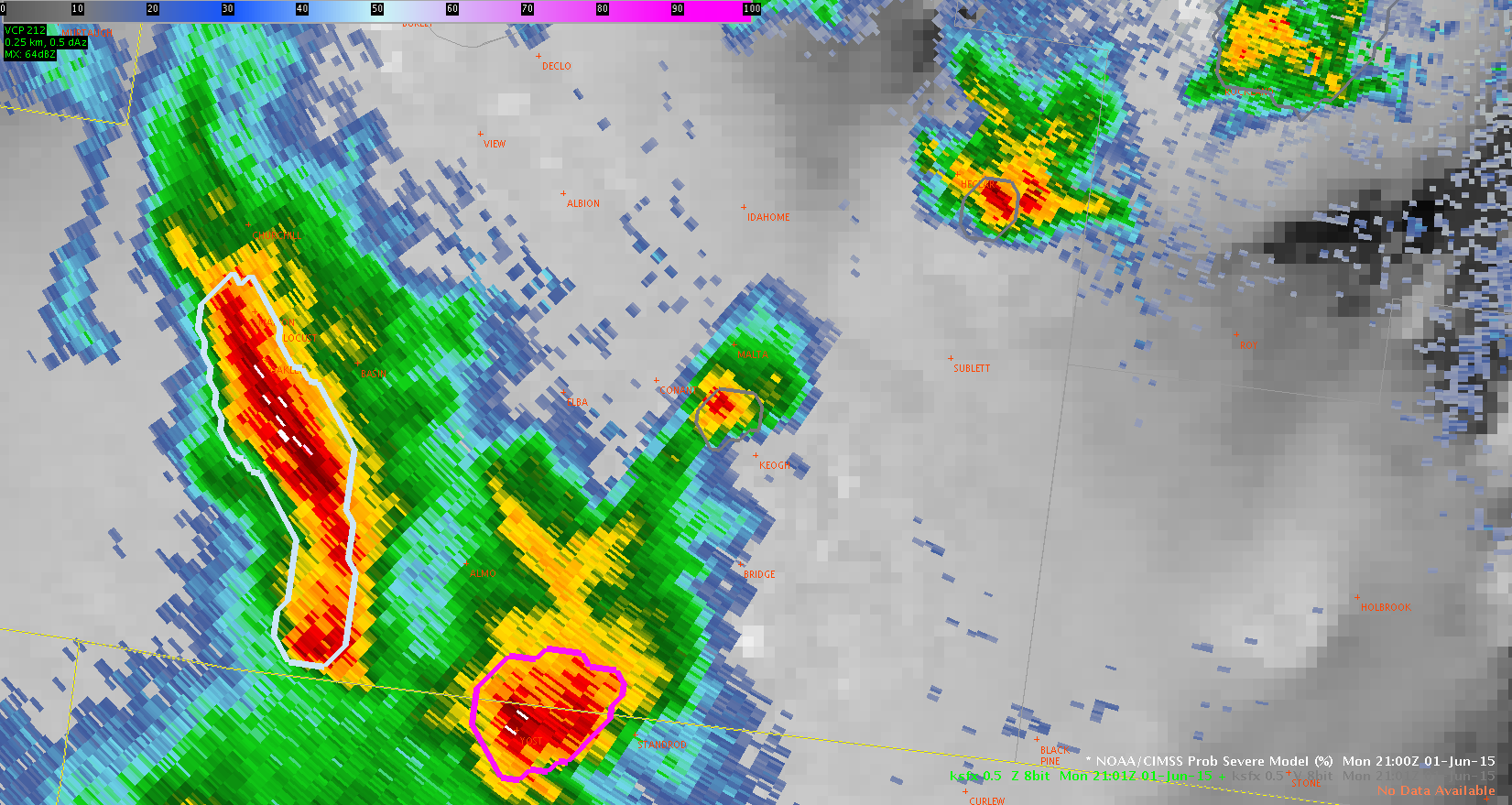
LJThe NOAA/CIMSS prob severe model percent increased to 87% (shown in magenta) at 2102Z. We did not issue the warning until 2115Z, but probably could have gotten a longer lead time had we issued it when the prob severe first increased at 2102Z.

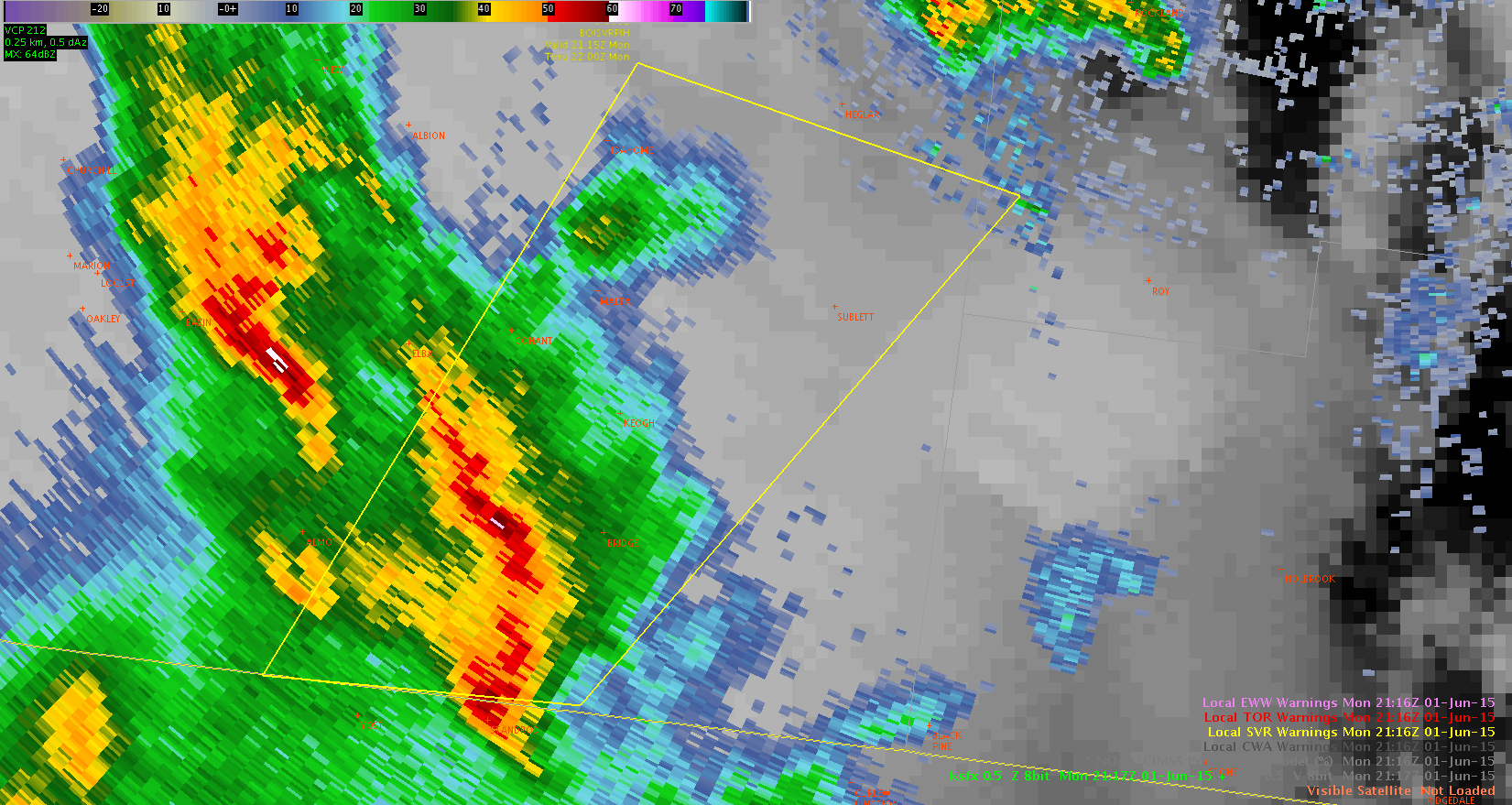
ProbSevereThe warning has not verified yet, but it is in a very rural area.

Warning

-Helen Hunt

Tags: None

NLDN vs ENTLN


NLDN vs. ENTLN shows a problem with the number of CG strikes that have occurred.  This makes me wonder how accurate the lightning jump algorithm is.  With the low density of sensors in the west, the ENTLN seems like the likely one with bad data.

Screenshot-CAVE:PDT - D2D -2


Williams and MacGyver

Tags: None

6/1/15: Bismarck, ND. CI East missed small cell formation.

Noticed that CI-East product didn’t capture the initiation of a small cell NE of Bismarck. At 2015Z a small cell formed (fig 1).  The first time CI showed a probability of initiation occurred at the same time (fig 2).  By 2038Z the cell  developed a small 50dbz+ core. Doesn’t seem like CI-East was able to capture this until it happened. Also, was not overly cloud covered.

2015_CI_East

Fig 1: CI-East – 2015Z 1st indication in CI

2015_Z

Fig 2: 2015Z: 1st reflectivity appearing.

2038_Z

Fig 2: 2038Z: Small 50dbz core starting.

Forecasters: Cattywampus/CoonieCatEye


Tags: None