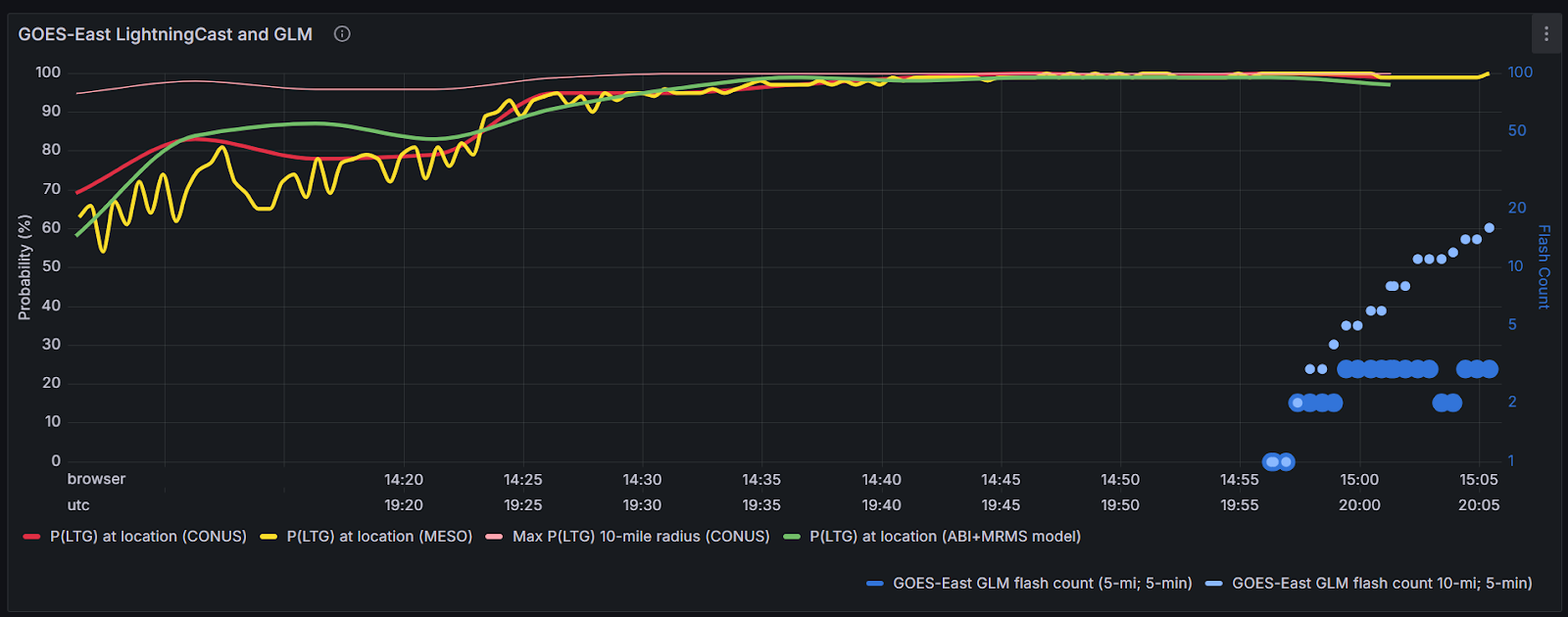
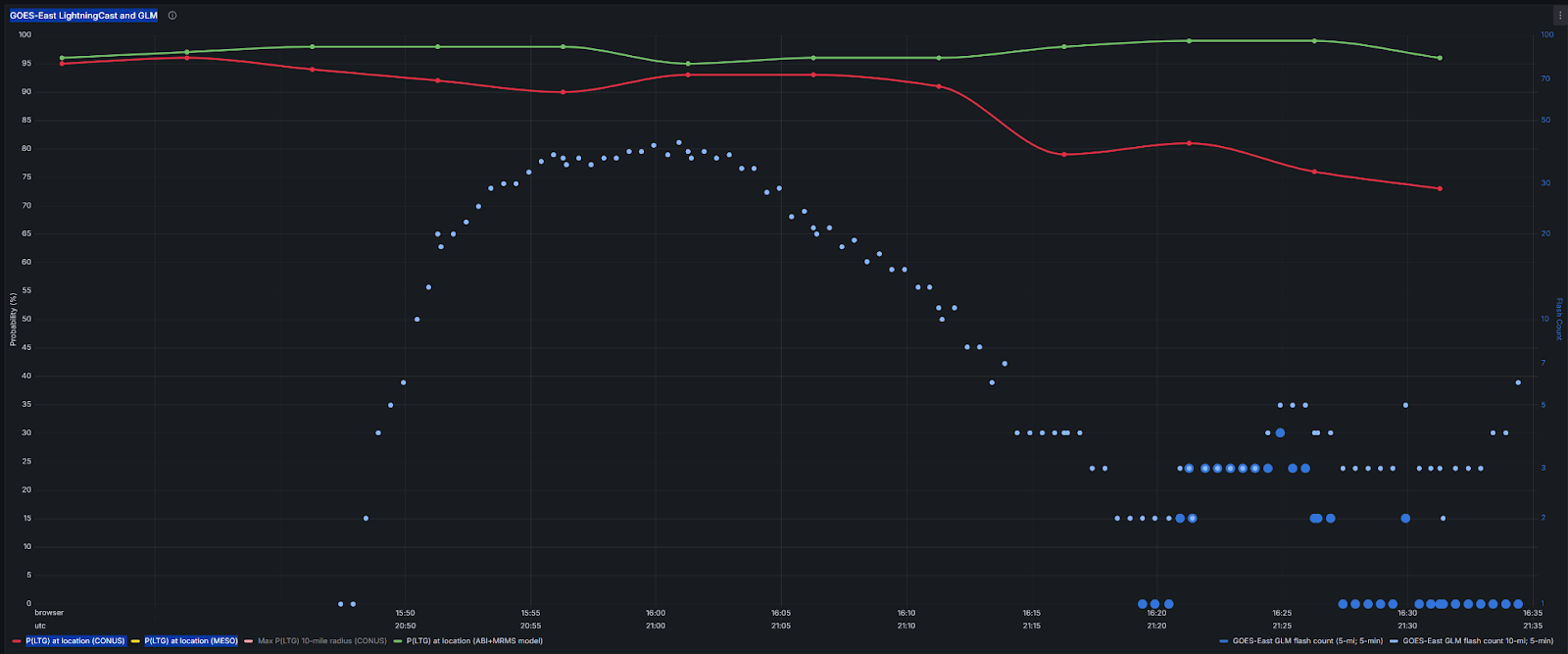
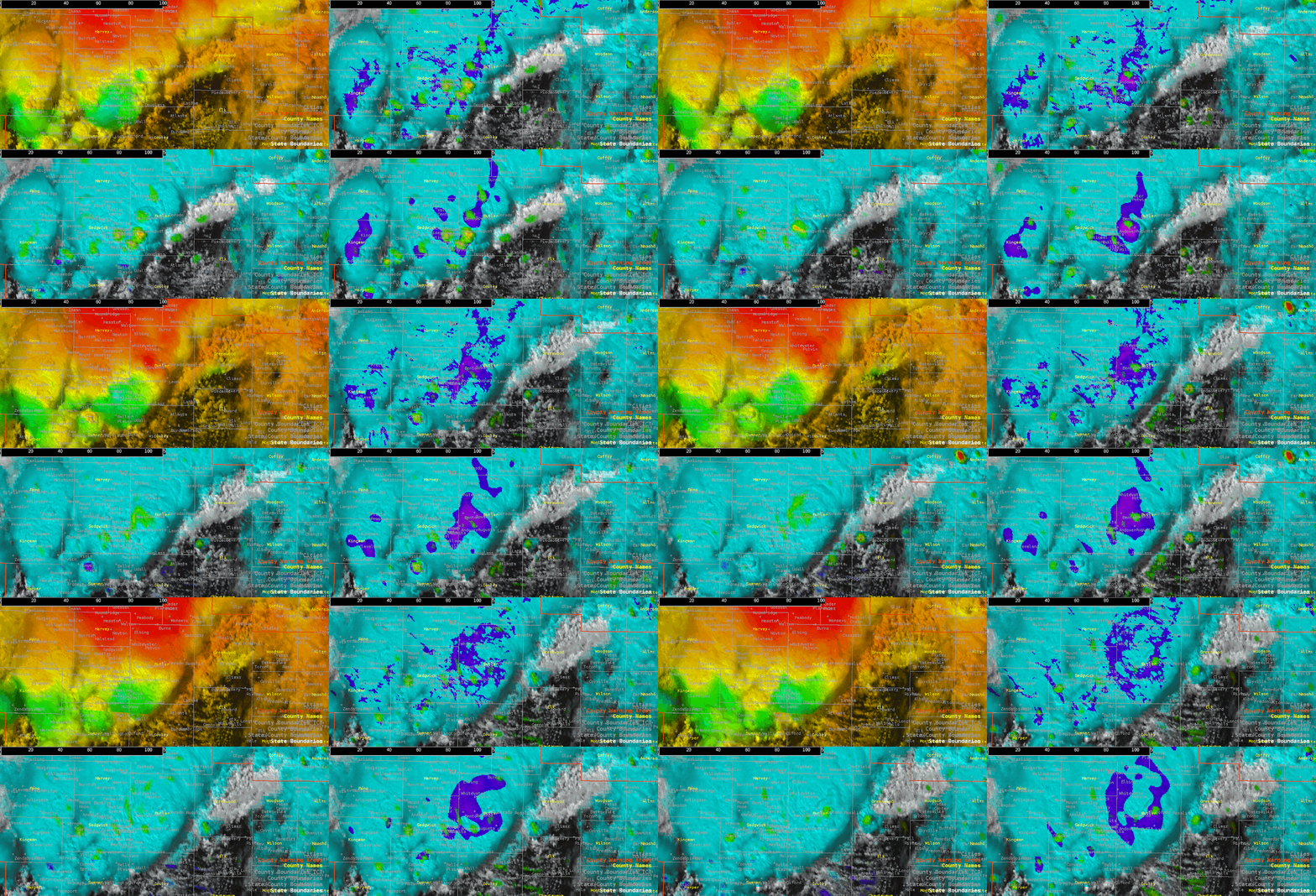
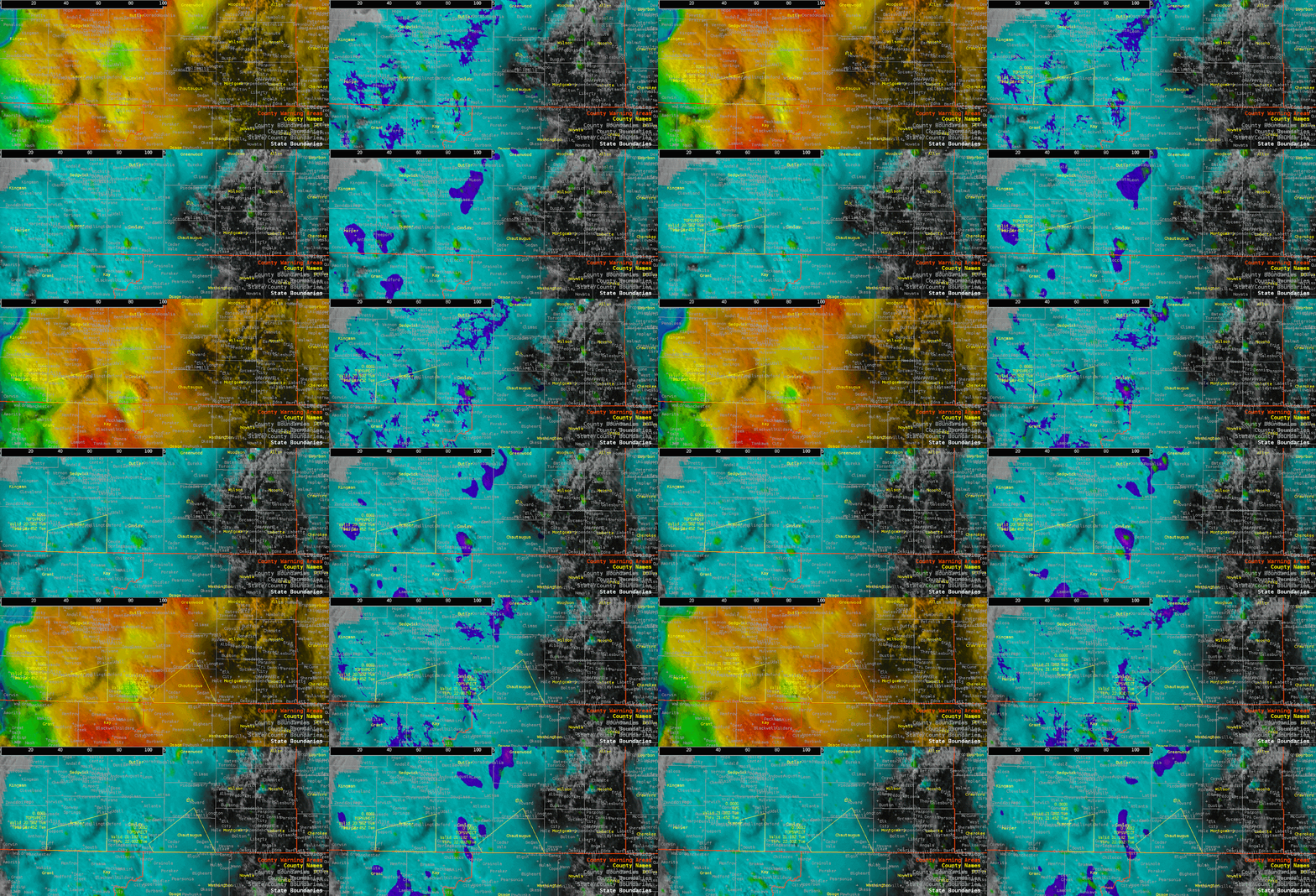
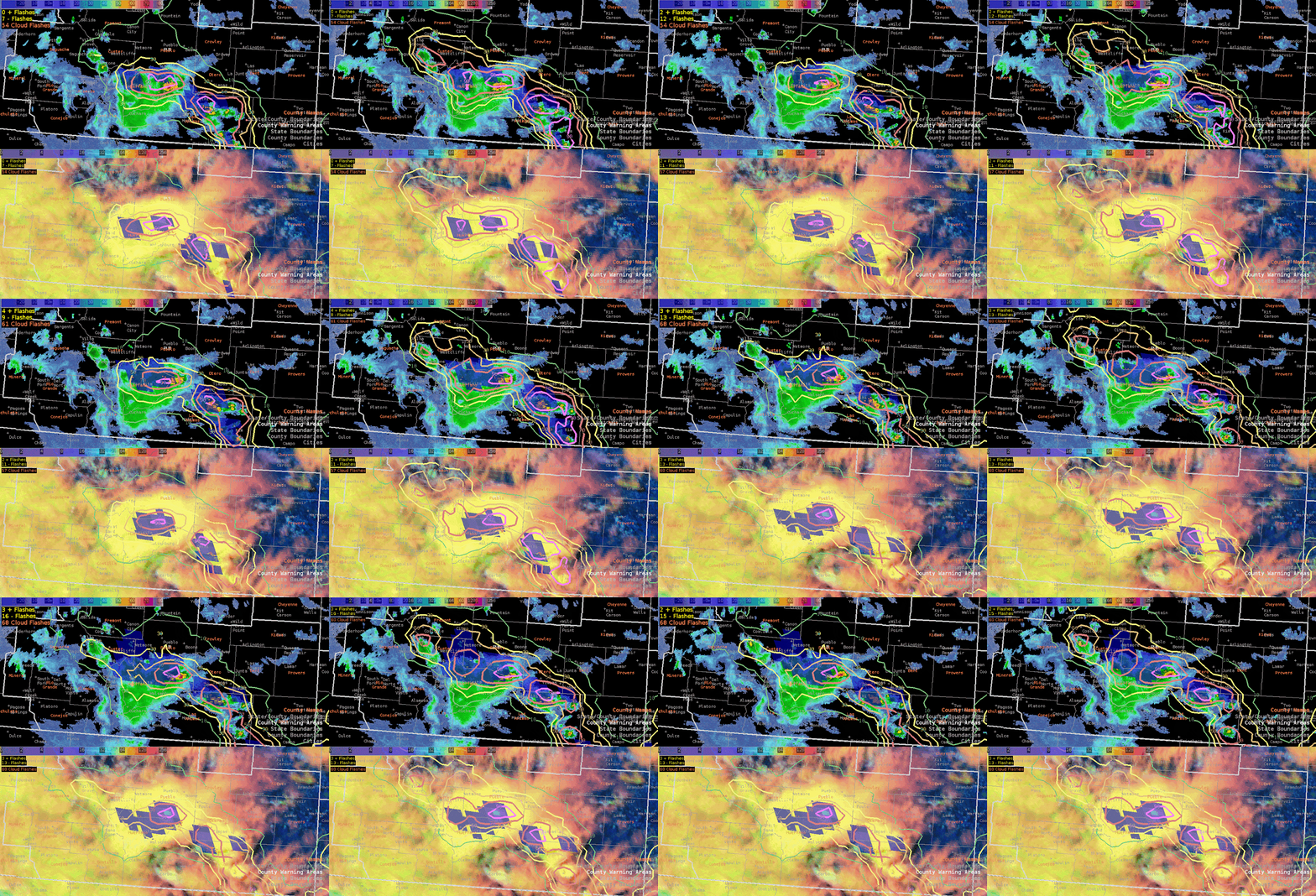
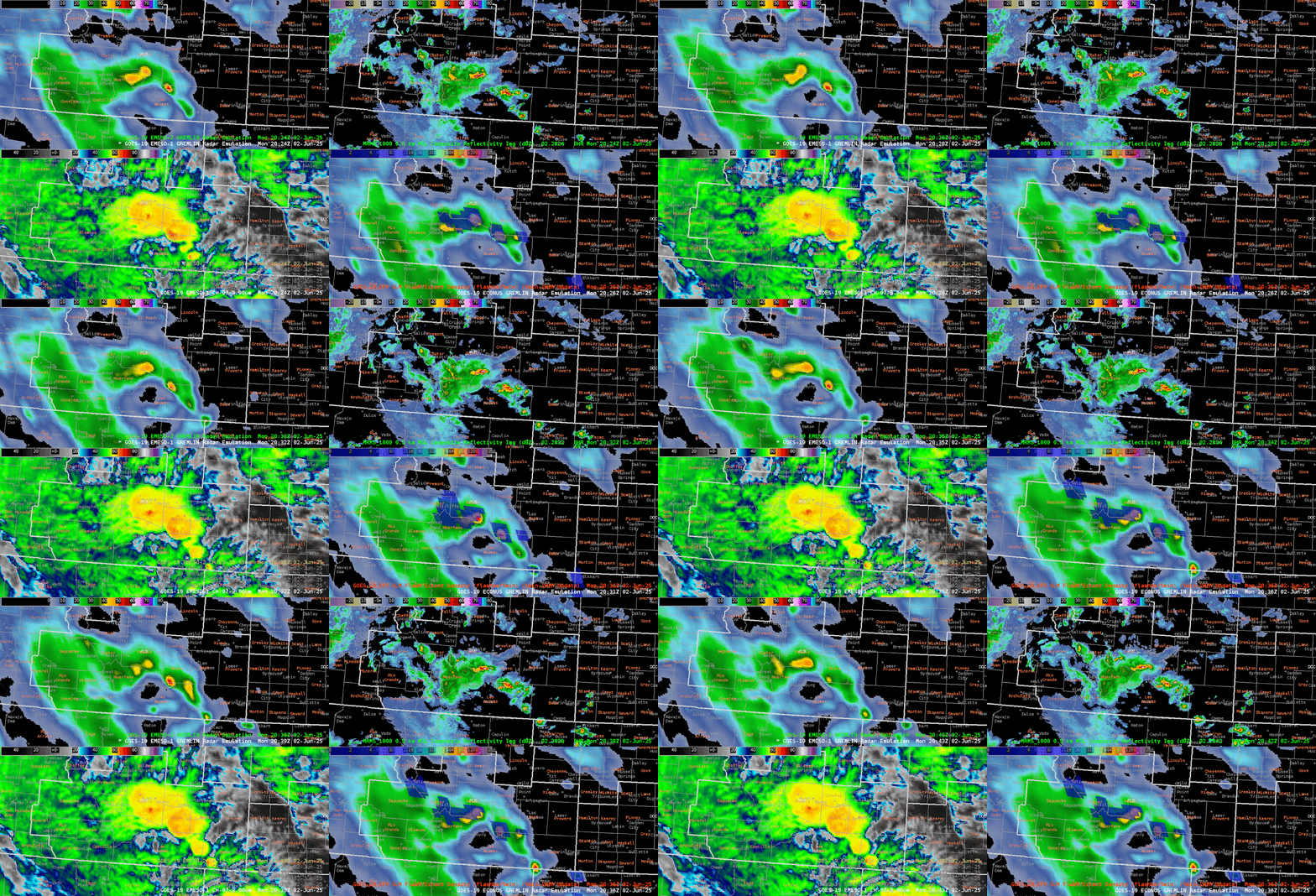
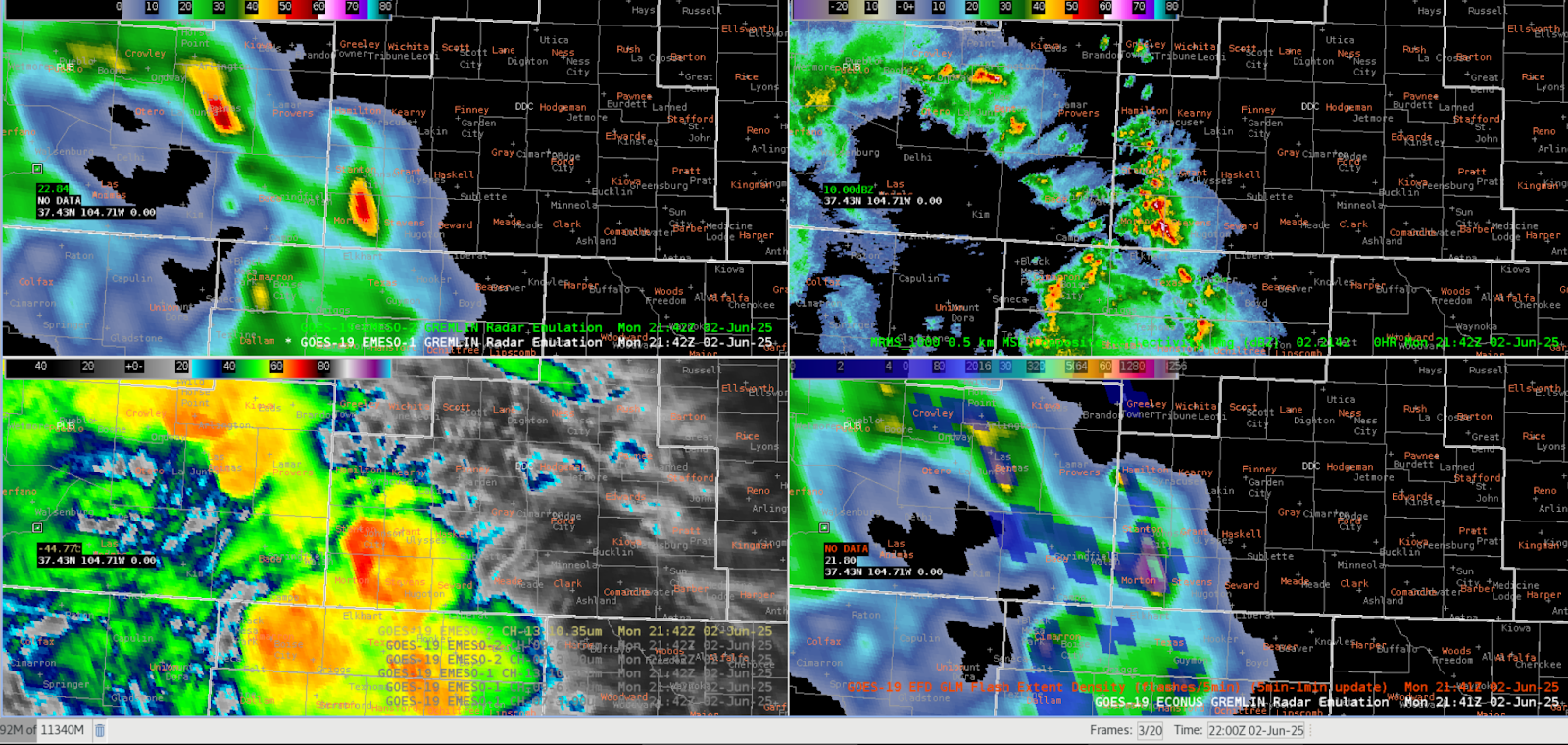
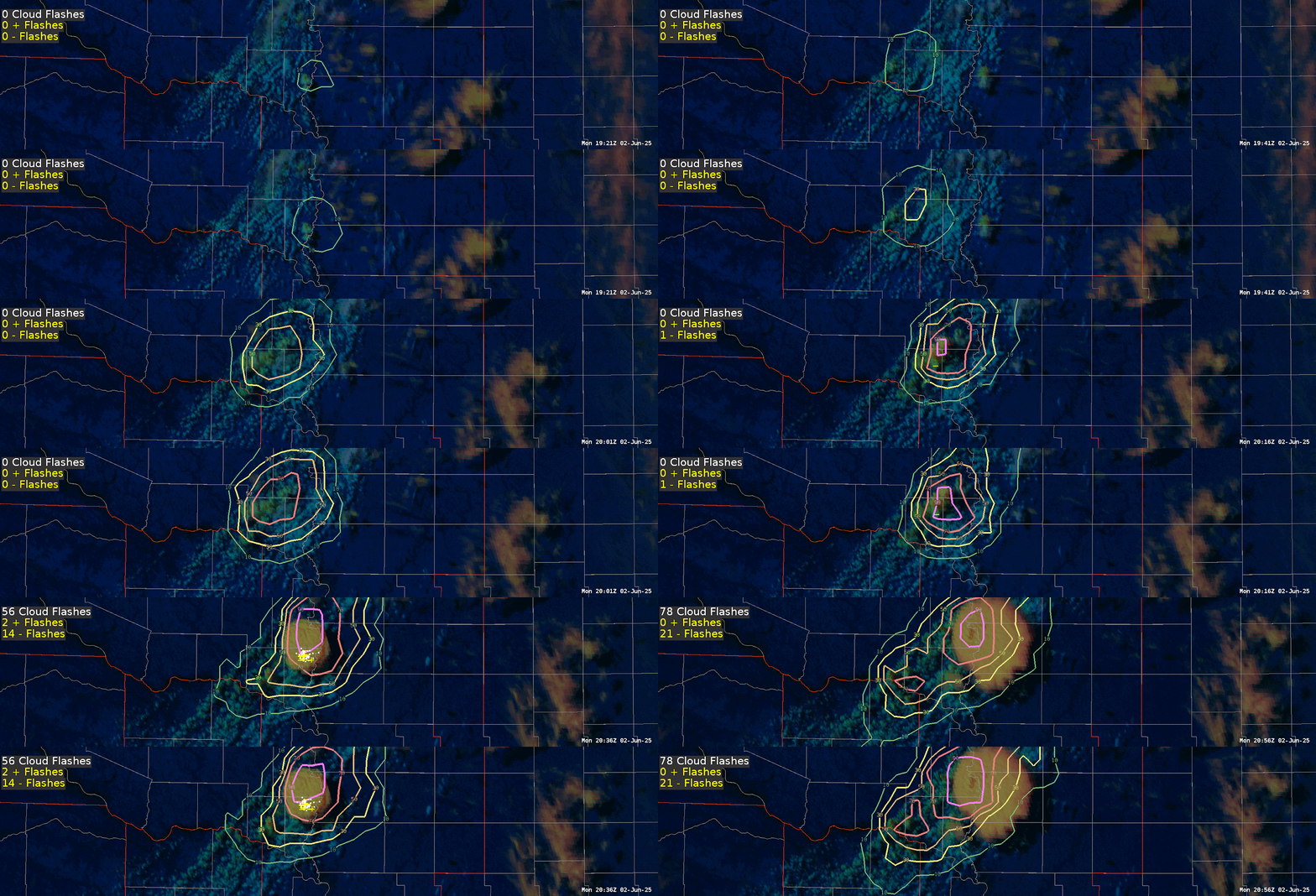
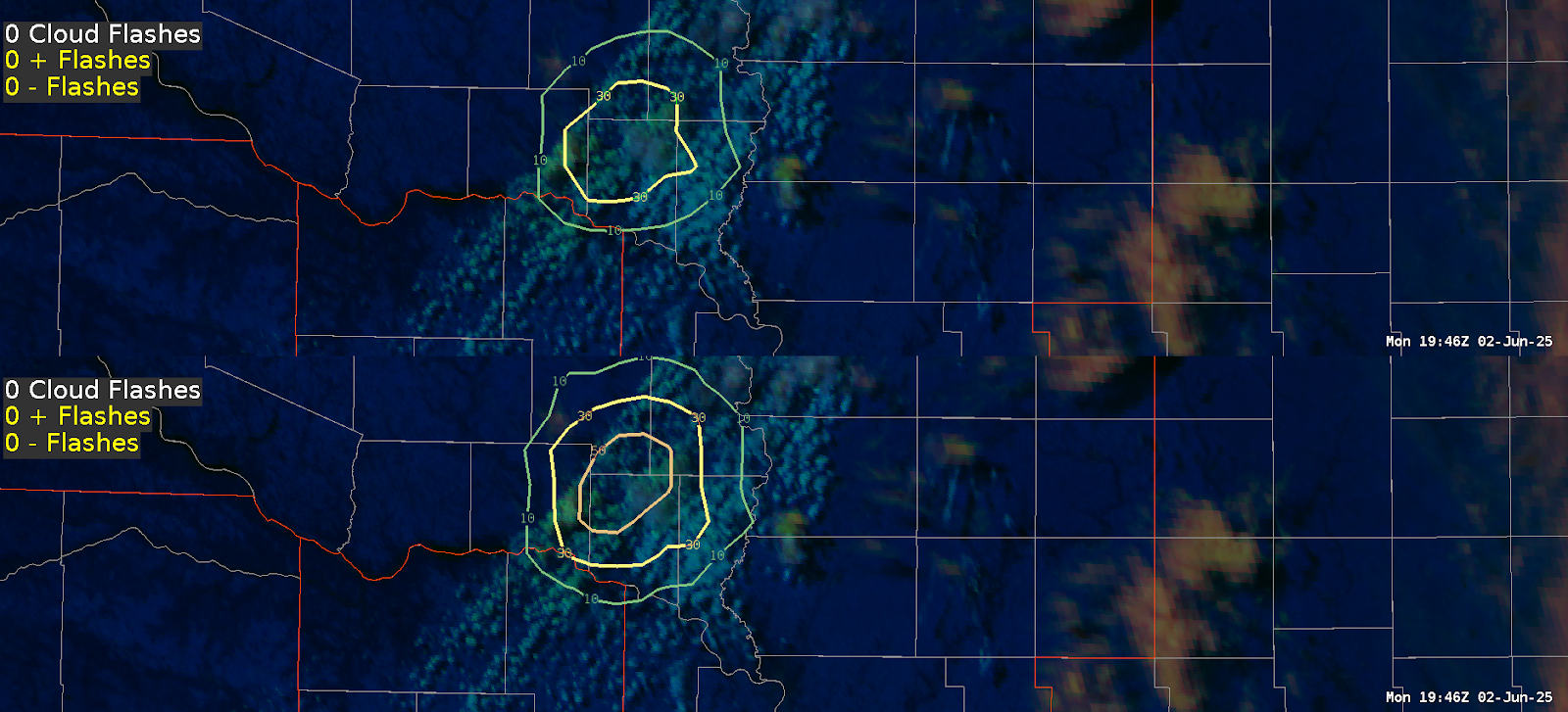
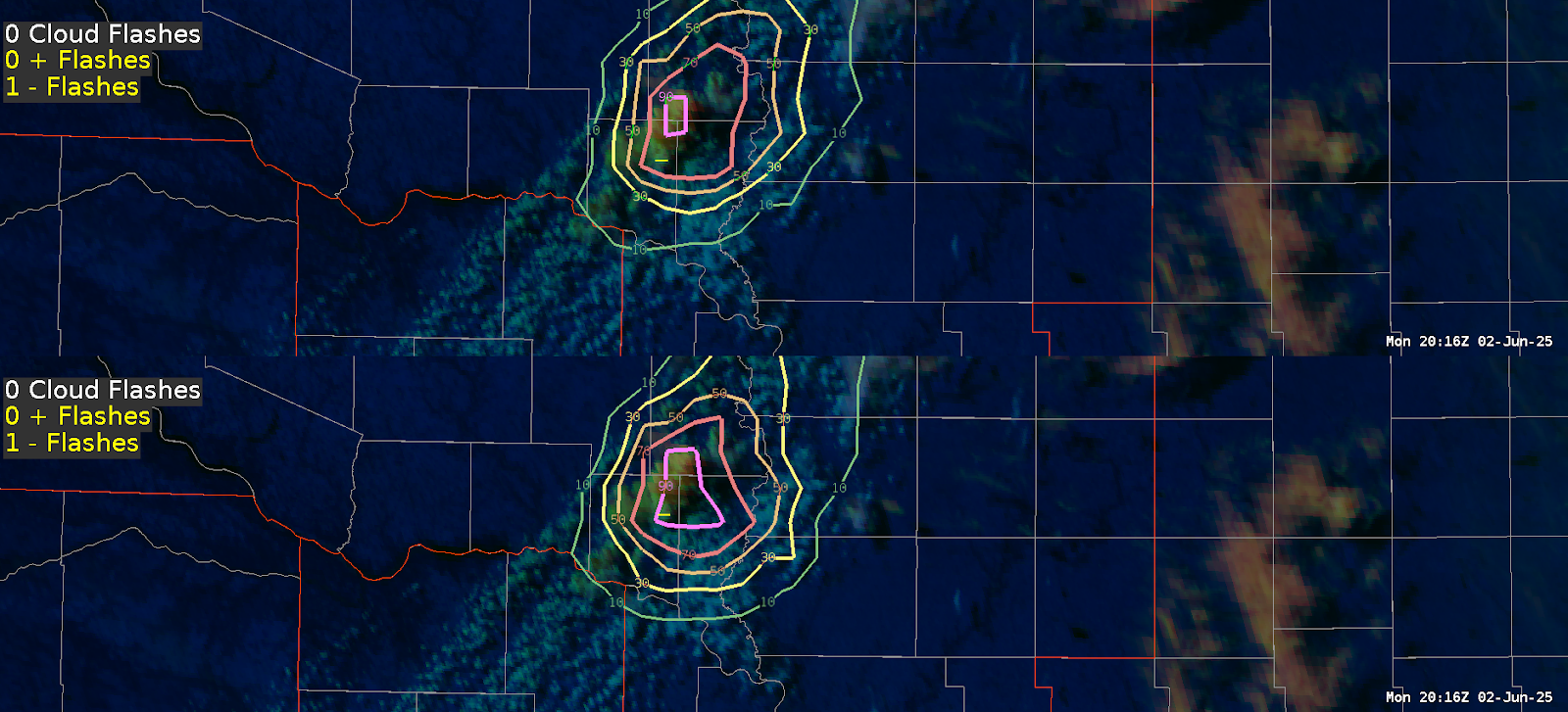
I tested the OCTANE, GREMLIN, and LightningCast products during an actual severe weather event on 6/3/2025. My role during this testbed was that of the mesoanalyst.
Initial environmental analysis shows weak to moderate shear, which was determined via ARARS soundings and SPC Mesoanalysis, along with OCTANE imagery showing divergent / accelerating speeds within the storm anvils. VAD hodographs were used as convection developed to see rapid changes within the shear profile during the course of the event (as convection altered the broader environment). Shear increased as the event progressed. OCTANE and LightningCast were both useful showing the uptick in storm intensity as shear increased.
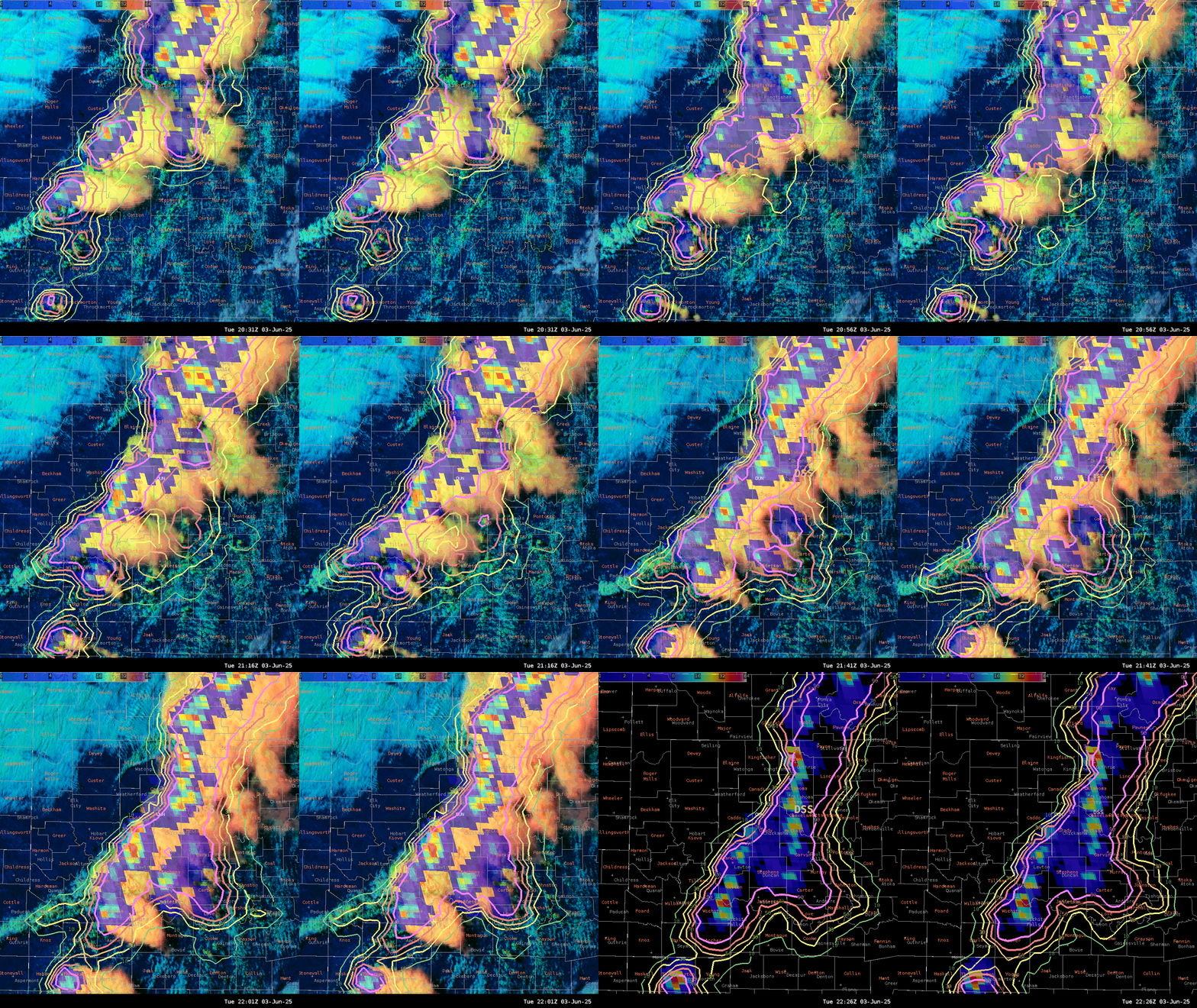
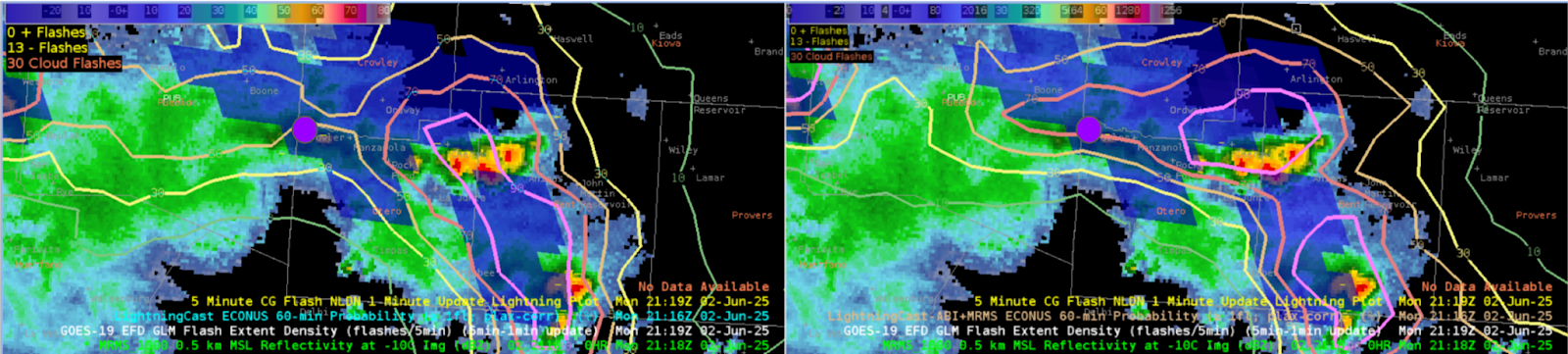
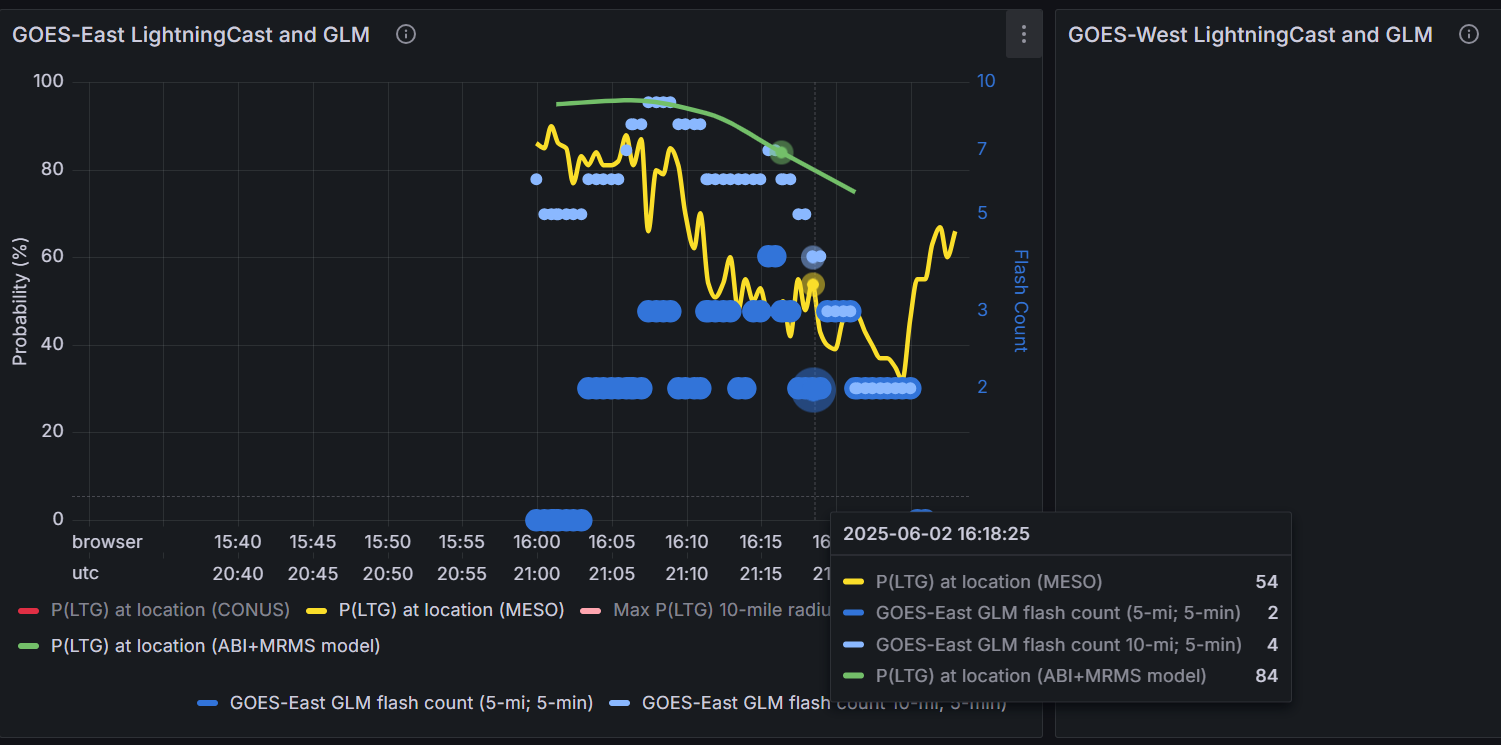
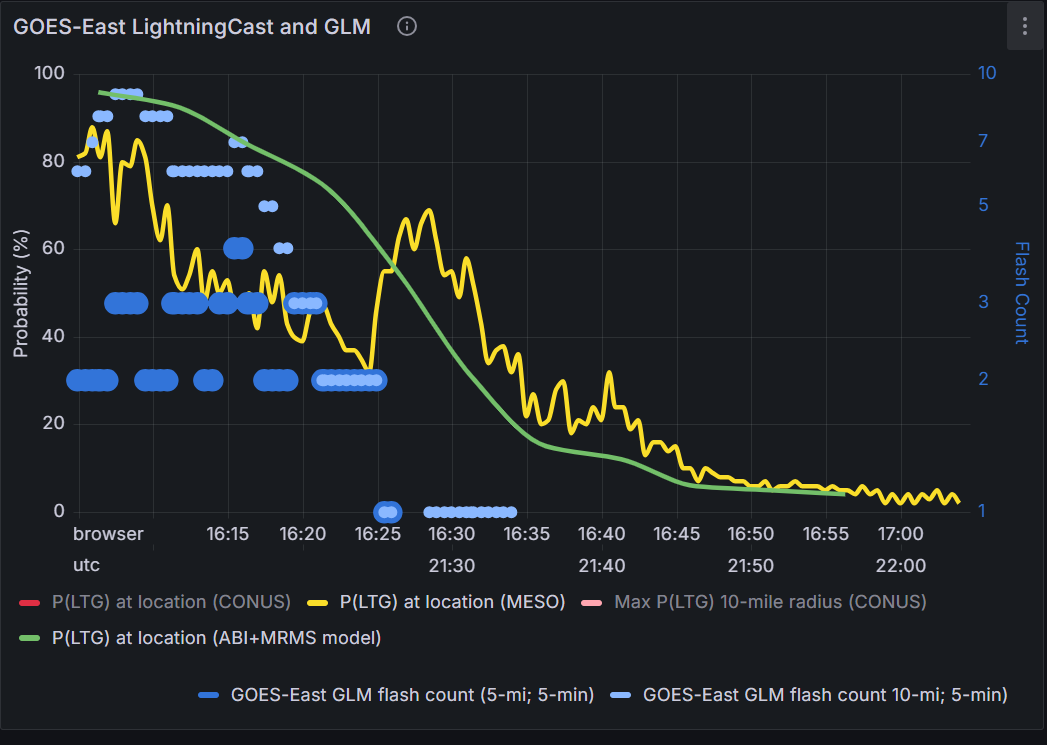
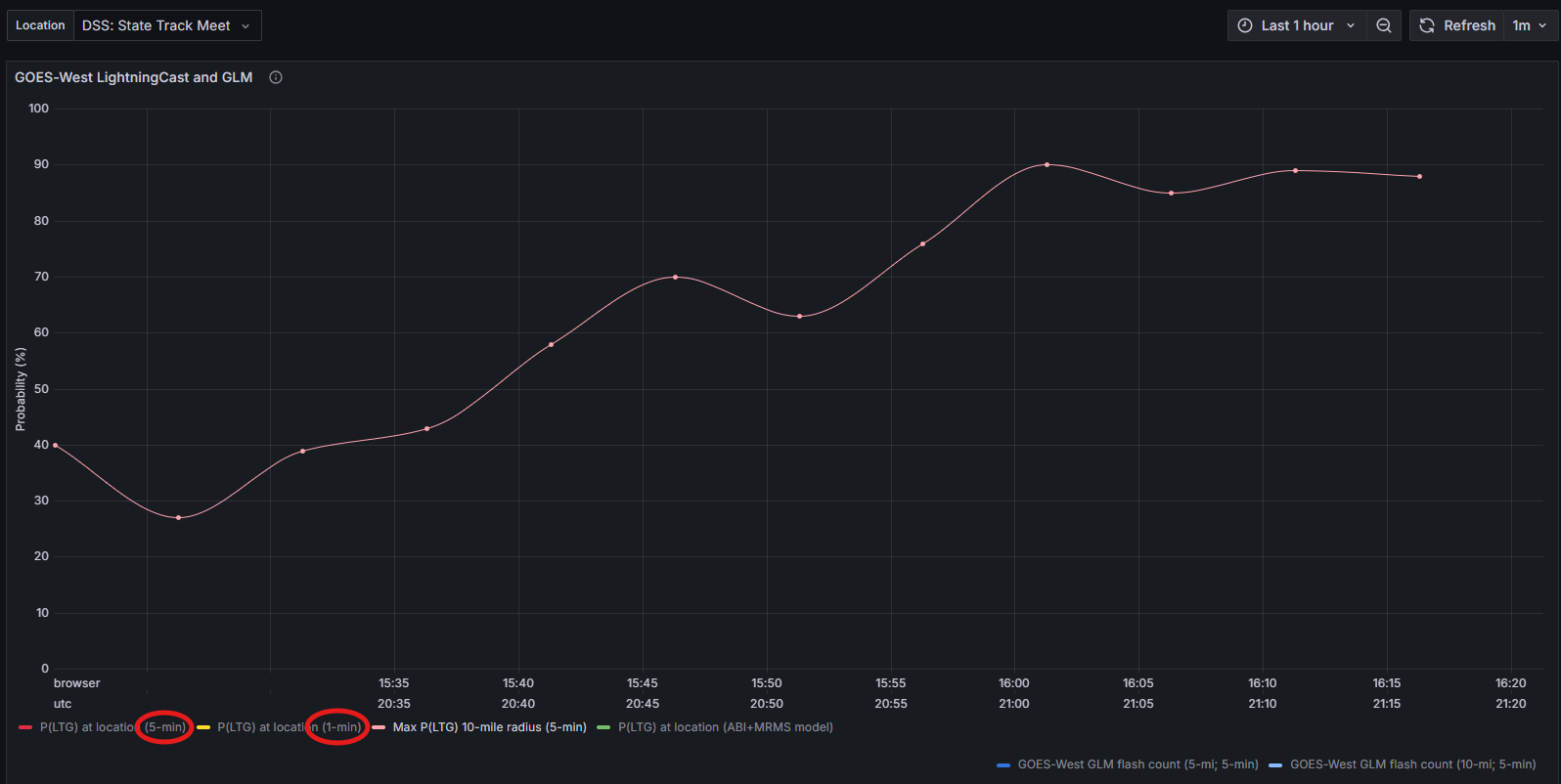
LightningCast was very useful picking out developing updrafts and embedded updrafts within broader areas of convection. We used this product to gauge which updrafts had the greatest potential to become severe in the near term. A strong uptick in lightning would indicate a rapidly strengthening updraft which would warrant further interrogation.
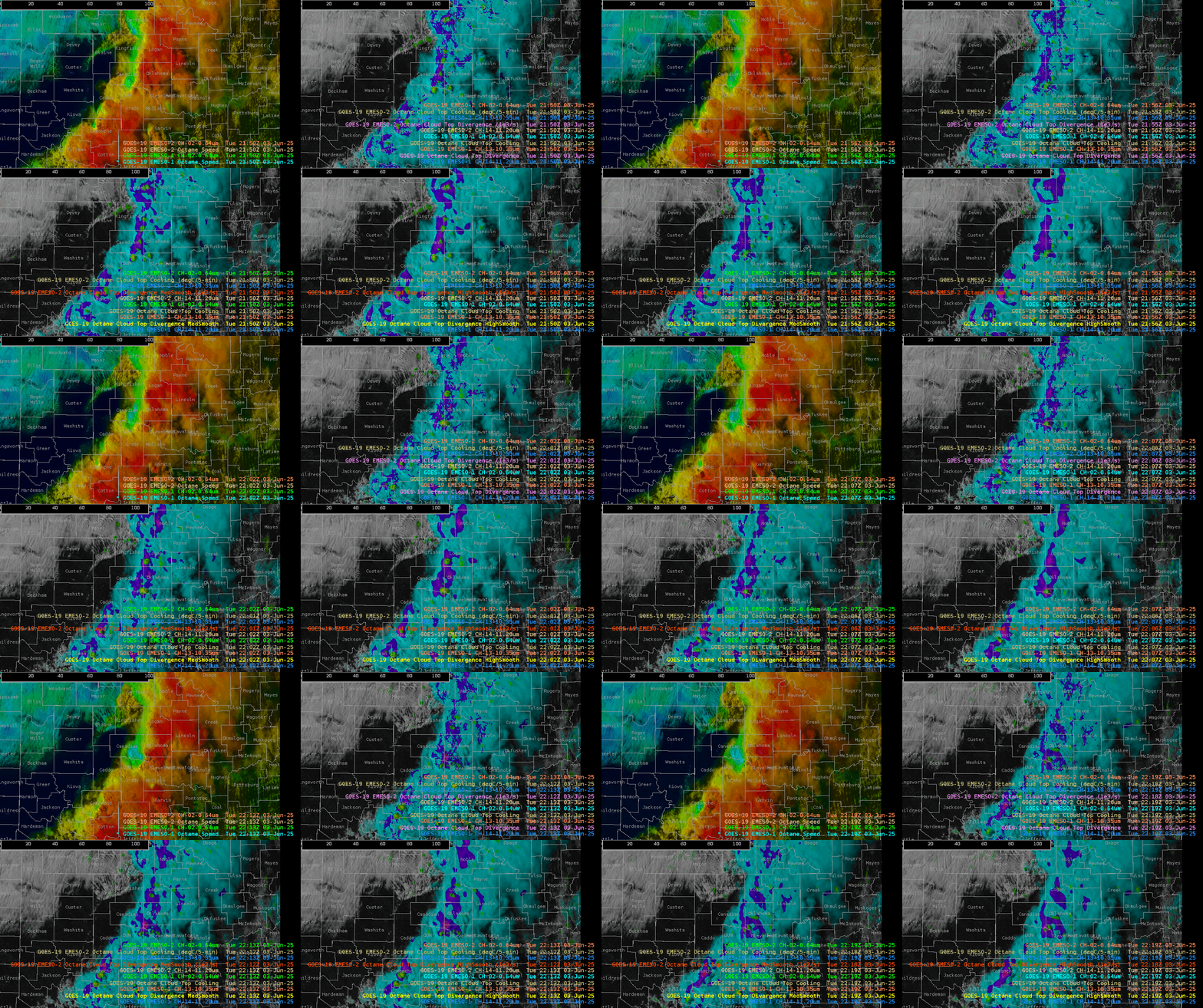
Similar to LightningCast, OCTANE was useful in determining which updrafts were trending towards severe. While in the mesoanalyst role, I would check to see which updrafts looked most intense (warmer colors paired with a very bubbly/convective appearance) and showed strong divergence. Radar analysis would then help us determine which individual cells to warn on, especially if the area of convection is multicellular and warning the entire thing isn’t ideal.
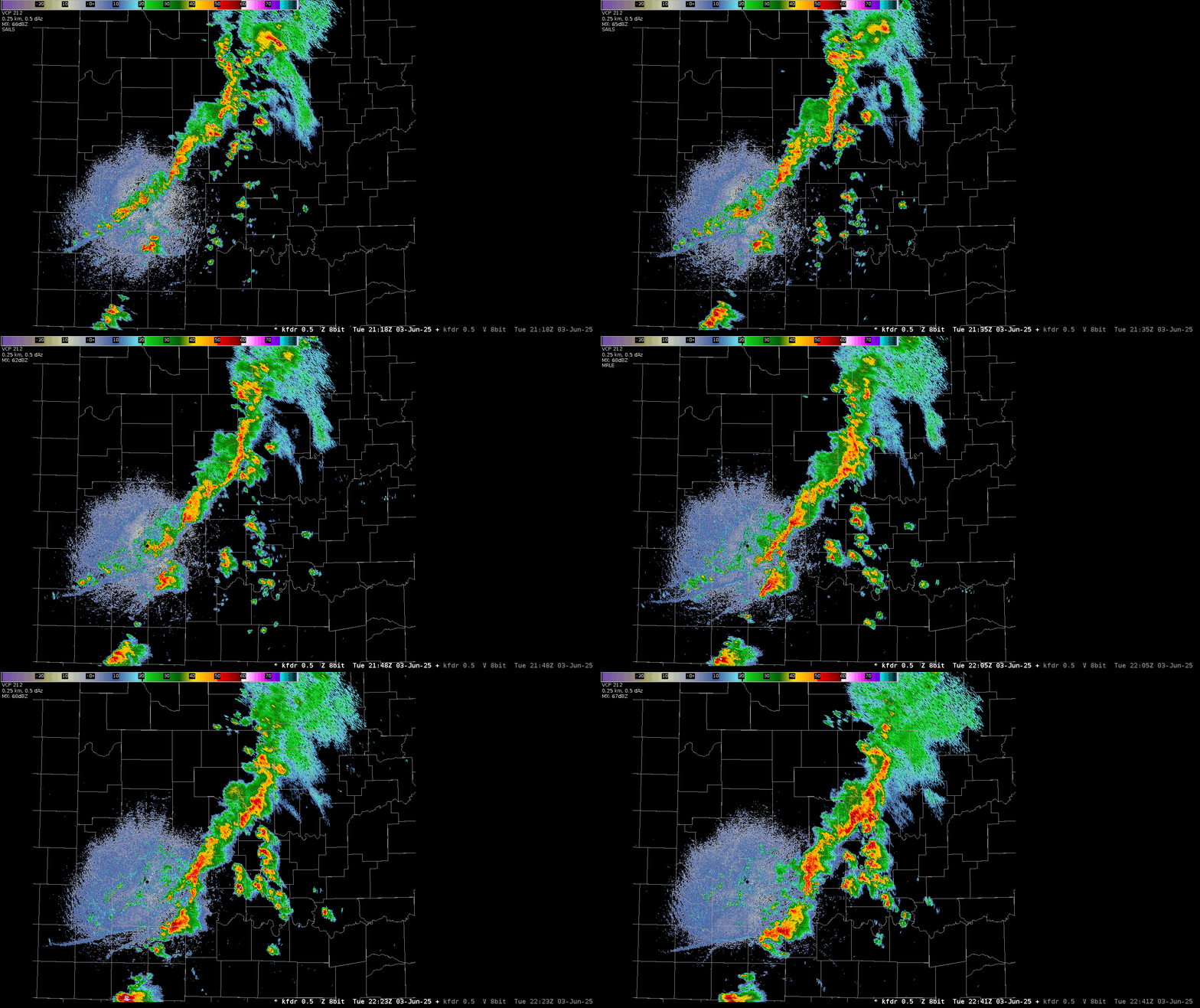
I didn’t use GREMLIN as much, since this area had good radar coverage. However, I did use it to keep tabs on its performance. The product seems to do well with picking out the strongest discrete/semi-discrete cells and potentially struggles with smaller/shallower storms and mergers.
Using these products, and working as a team with good communication, we were able to successfully warn a tornado in the Norman area along with various severe wind and hail.
– WxAnt