The Evolution of an Intensifying Cluster

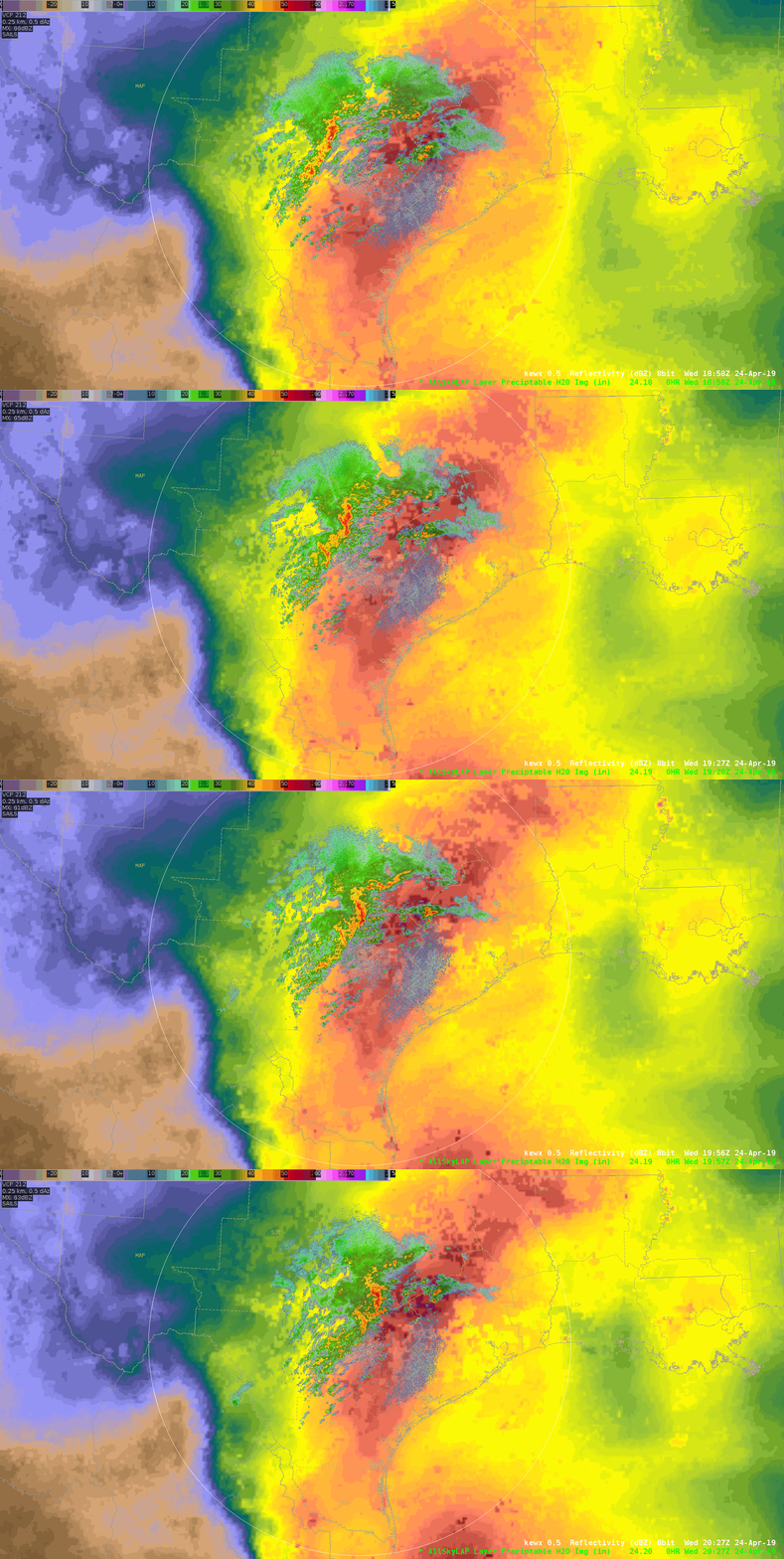
Storms in the EWX CWA early in the shift were generally remaining sub-severe, with what looked to be heavy rain as the dominant threat. The first two loops (below), the storms were riding right along the gradient of the PWATs and CAPE. (continues below)
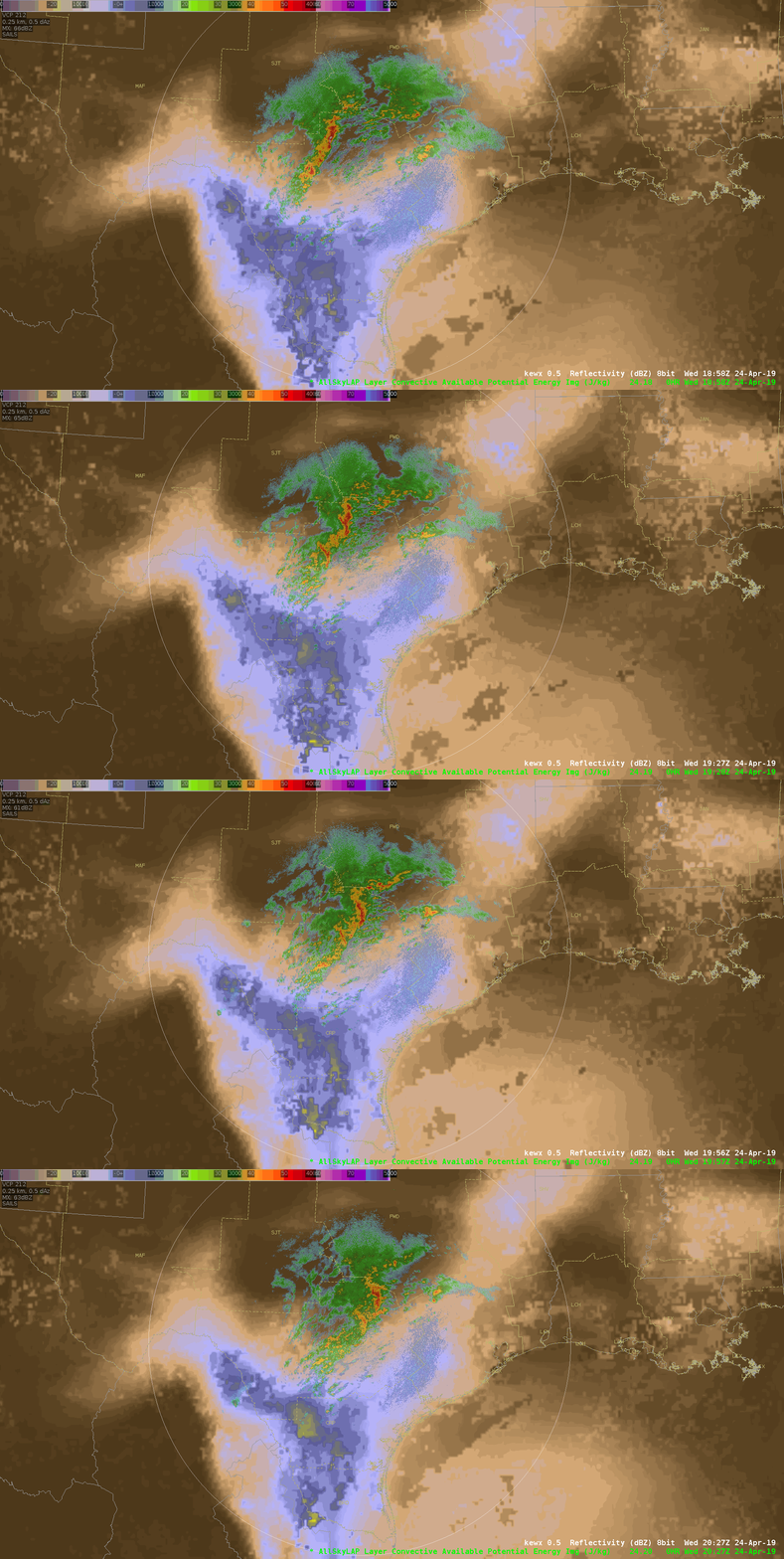
As the cluster of storms reached the eastern edge of a greater area of instability (below), the concern then turned to how much of the instability would be tapped into and how storms would react, with the thought that they’d likely become more robust. (continues below)
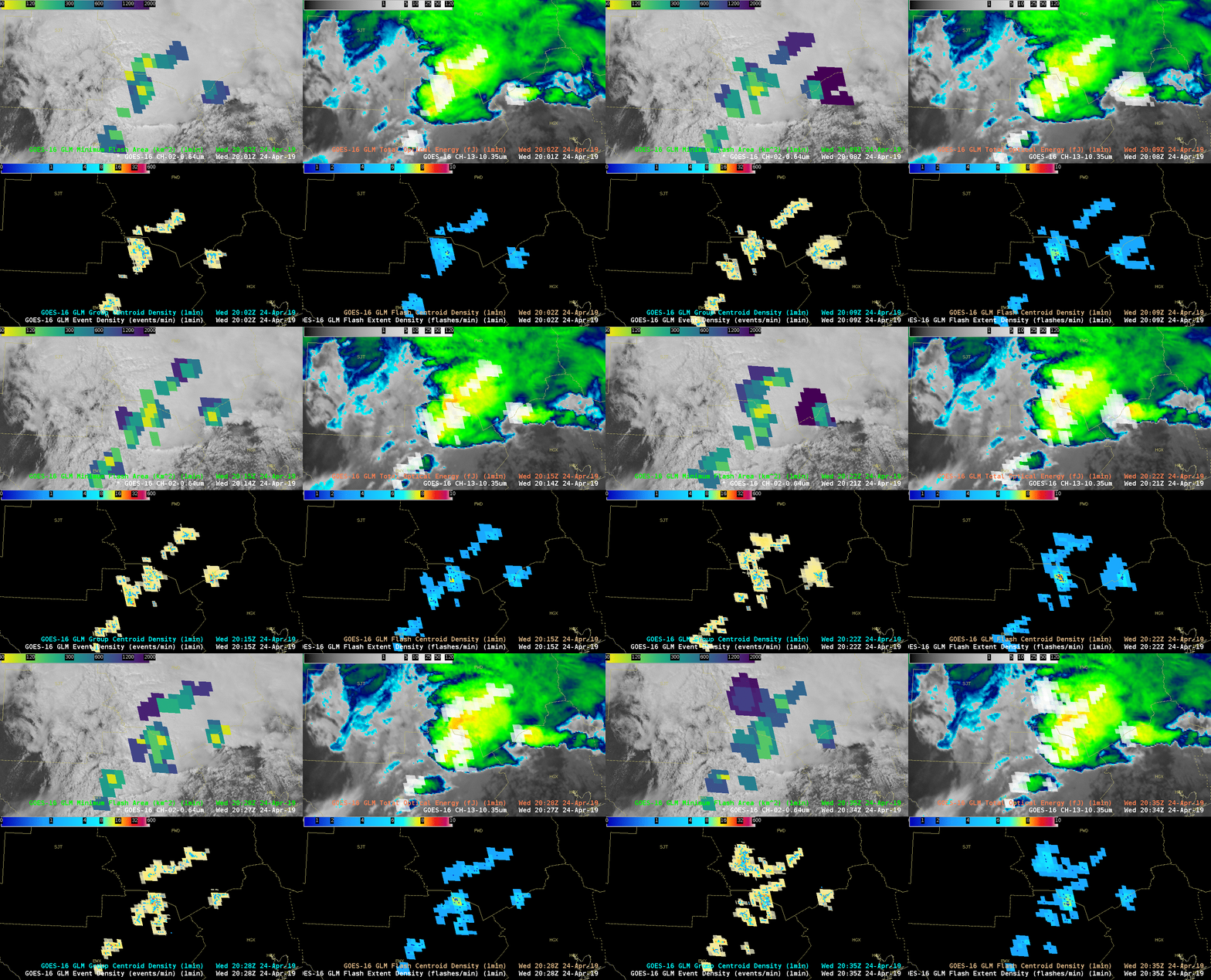
Attention was then turned to how the GLM was observing the evolution of the stronger cluster of storms within the northeastern portion of the CWA. I created a four-panel display, with MFA overlaid onto the mesosector visby imagery (upper left, below), clean IR with TOE overlaid (upper right; I had blinking enabled to capture the highest fJ, but is unseen in this GIF), Event Density with Group Centroid Density overlaid (bottom right, below), and FED with Flash Centroid Density overlaid (bottom right, below). It was fascinating to watch how the lightning unfolded with this particular cluster, and the MFA in particular immediately drew my eye to the storms moving toward the FWD CWA border. The smaller flashes began to blossom and expand out, which then had me look at the TOE and density products. The density products ramped up, but what I found the most interesting is that the MFA seemed to give me that initial clue that this storm was in fact tapping into some of the higher instability and allowing for the updraft(s) to intensify.
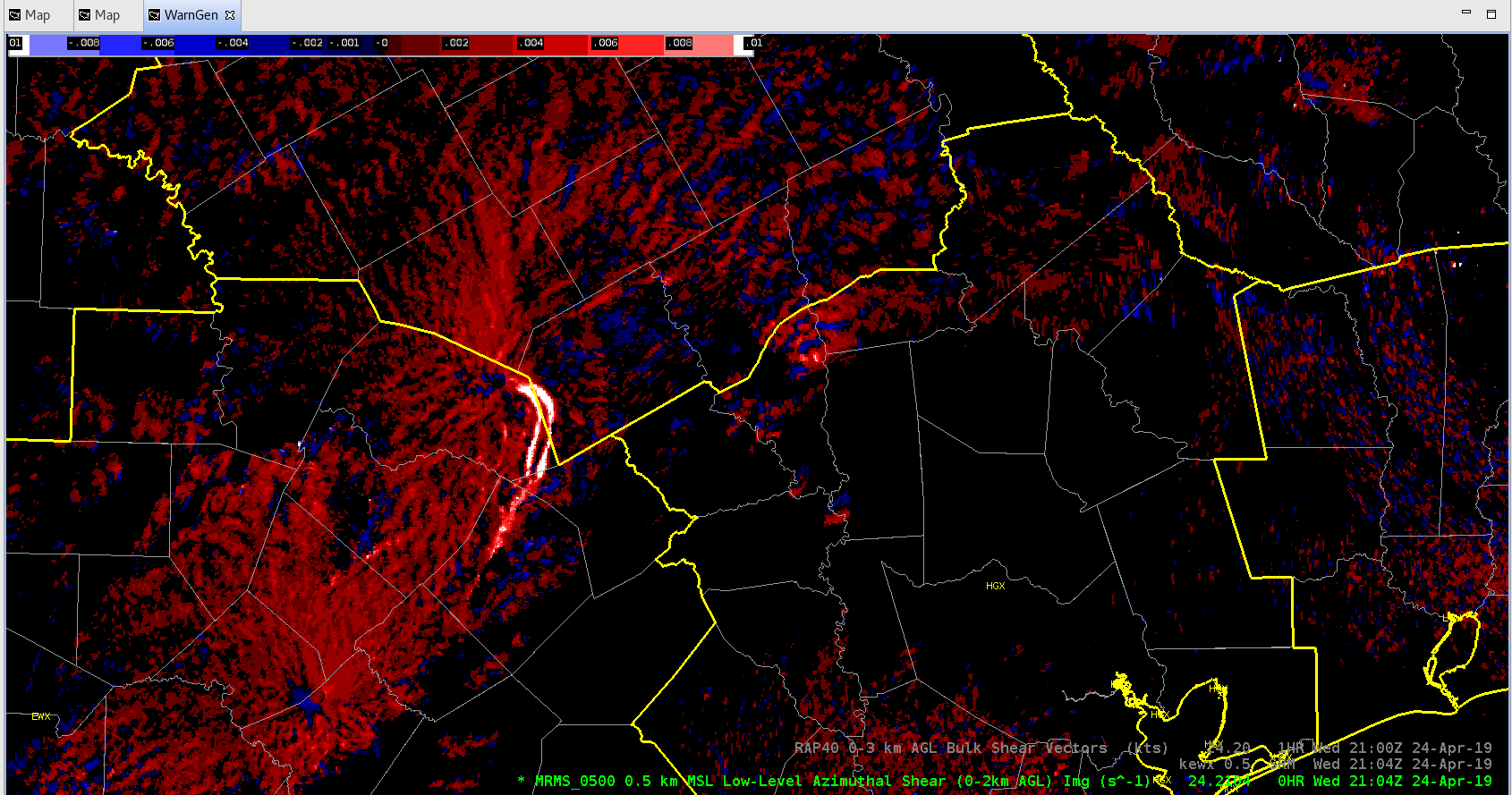
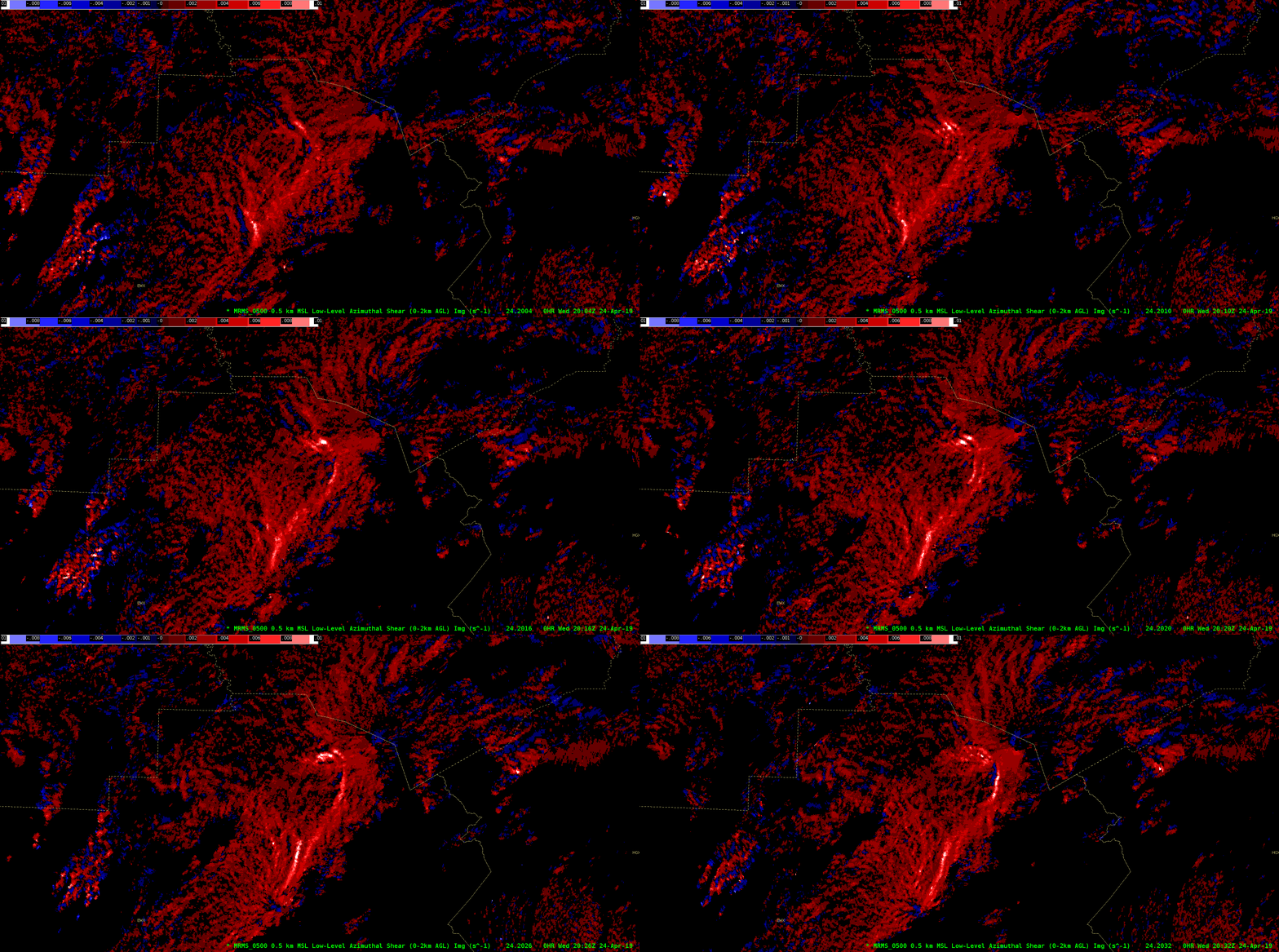
I then proceeded to take a look at the MRMS LL AzShear product (below), wistfully wishing I could look at the single radar version of this product. Sure enough, a clear signature developed, highlighting the amplifying wind within this cluster.
Last but not least, looking at ProbSevere, the ProbWind product picked up well on this signature, highlighted below.
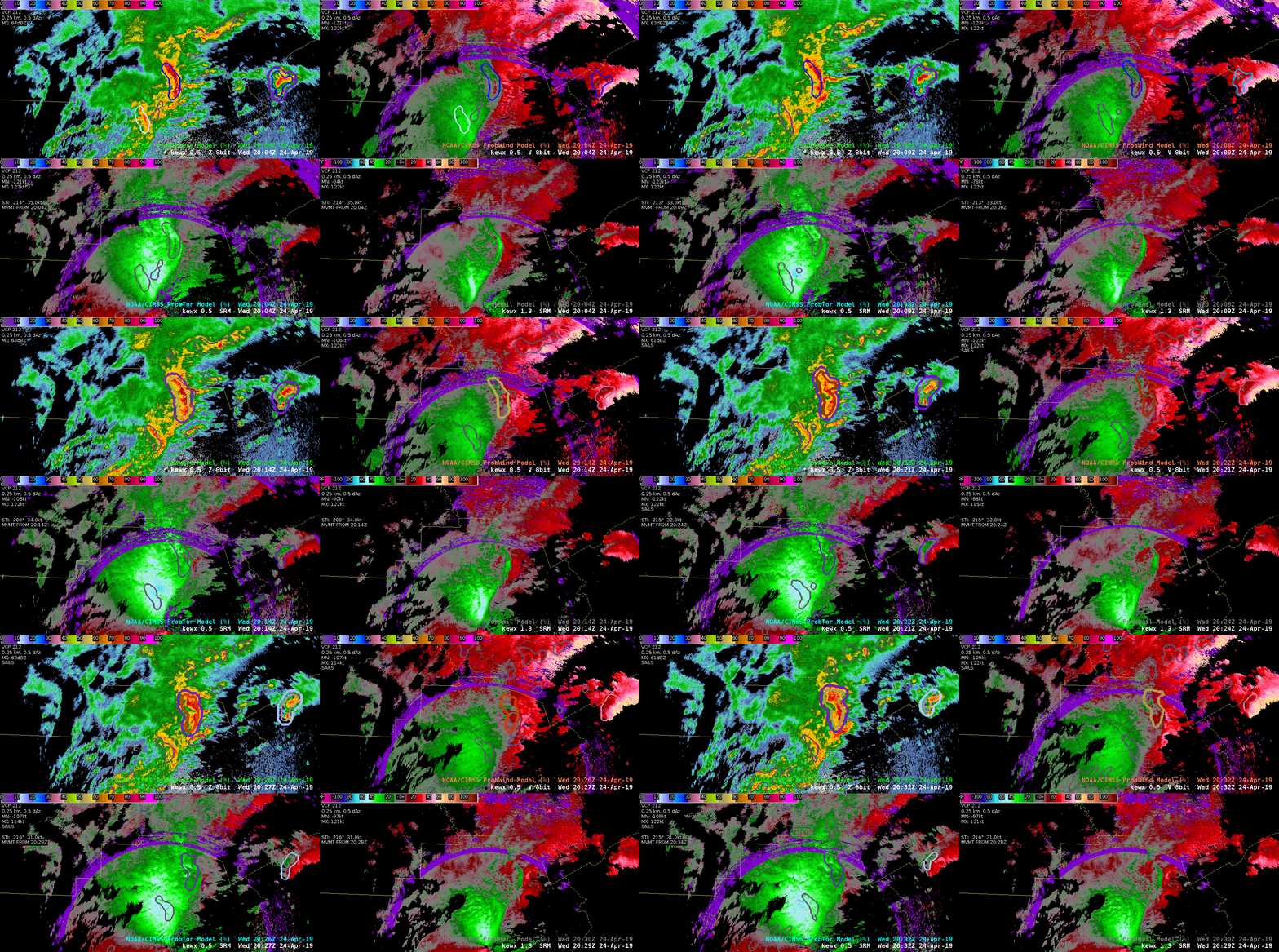
Conclusion: I’m continuing to see some promise that there’s something to look deeper into with respect to these additional lightning products, particularly the MFA when used in combination of something like the Event or Flash Extend Density products. There seemed to be a good correlation with the TOE, as anticipated, but I’m still unsure about its utility as a stand-alone product. As for the Average Flash Area, I didn’t even pull it up given the limited amount of screen space I had and what I saw yesterday, with the AFA in particular not giving me hope of being able to gather good info/lead time in comparison to the MFA.

~Gritty

Side note: Had some excellent conversation with the GLM expert in the room and as we were talking and analyzing some of these products, it was noticed that there was quite an extensive channel, lightning that shot out well to the north of this cluster of focus. These GLM products could provide beneficial information when providing DSS to partners, such as letting partners and the public know not to go back outside just because there’s either light rain or the storm had already passed.

Tornadic Supercell and AzShear and ProbTor Ramp-Up

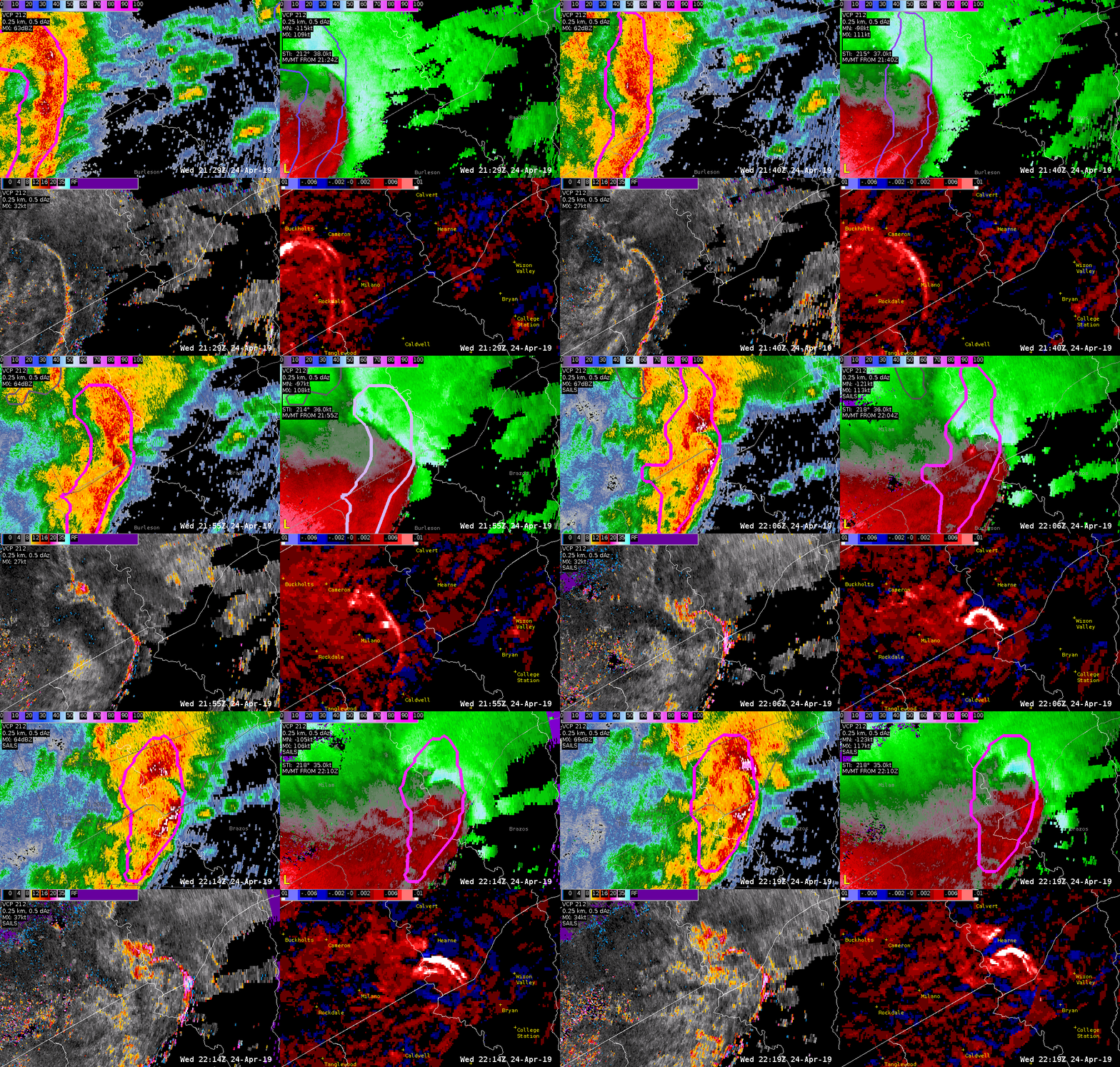
The storm along the Milam/Burleson county line began to wrap up showing increasing Merged 0-2km AzShear and a stronger velocity signature. From 2204z – 2208z there was a brief couplet from this storm and the FWD and HGX offices, and the HWT forecasters all tornado warned this storm. You can see the Spectrum Width maxima at the point of the couplet and along the leading edge of the bowing segment to the south of the couplet. There is also an inflow notch as well all situation near the bookend vortex. The big thing to note is how the AzShear Merged product ramped up from 2154z to 2204z. This also impacted ProbTor. The trend went from:

  • 2149z: ProbTor 11%
  • 2154z: ProbTor 60%
  • 2159z-2206z: ProbTor 84%
  • 2208z-2212z: ProbTor 86% (2207z is when WFO FWD issued their warning)

ProbTor maxed out at 87% from 2216z-2218z while the couplet became less gate-to-gate. If you used a ProbTor threshhold of 60% that would have given 15 minute additional minutes of lead time, while a threshold of 80% would have given approximately 8 more minutes of lead time. As of writing this blog (2240z) there are no LSRs reporting anything in terms of damage or tornadoes with this storm.

-Alexander T.


Spike in Merged AzShear Product – Wed Apr 24

Noted a big jump in the merged 0-2km AZshear product – see below.  This caused a corresponding jump in ProbTor.  Also note the “double peak” likely caused by SAILS scans.  This is an a favorable location with > 30kts of 0-3km shear – so mesovortex formation is possible.  Will be interesting to see if anything develops….


Picking out the Little Circulations within the Bigger Lines

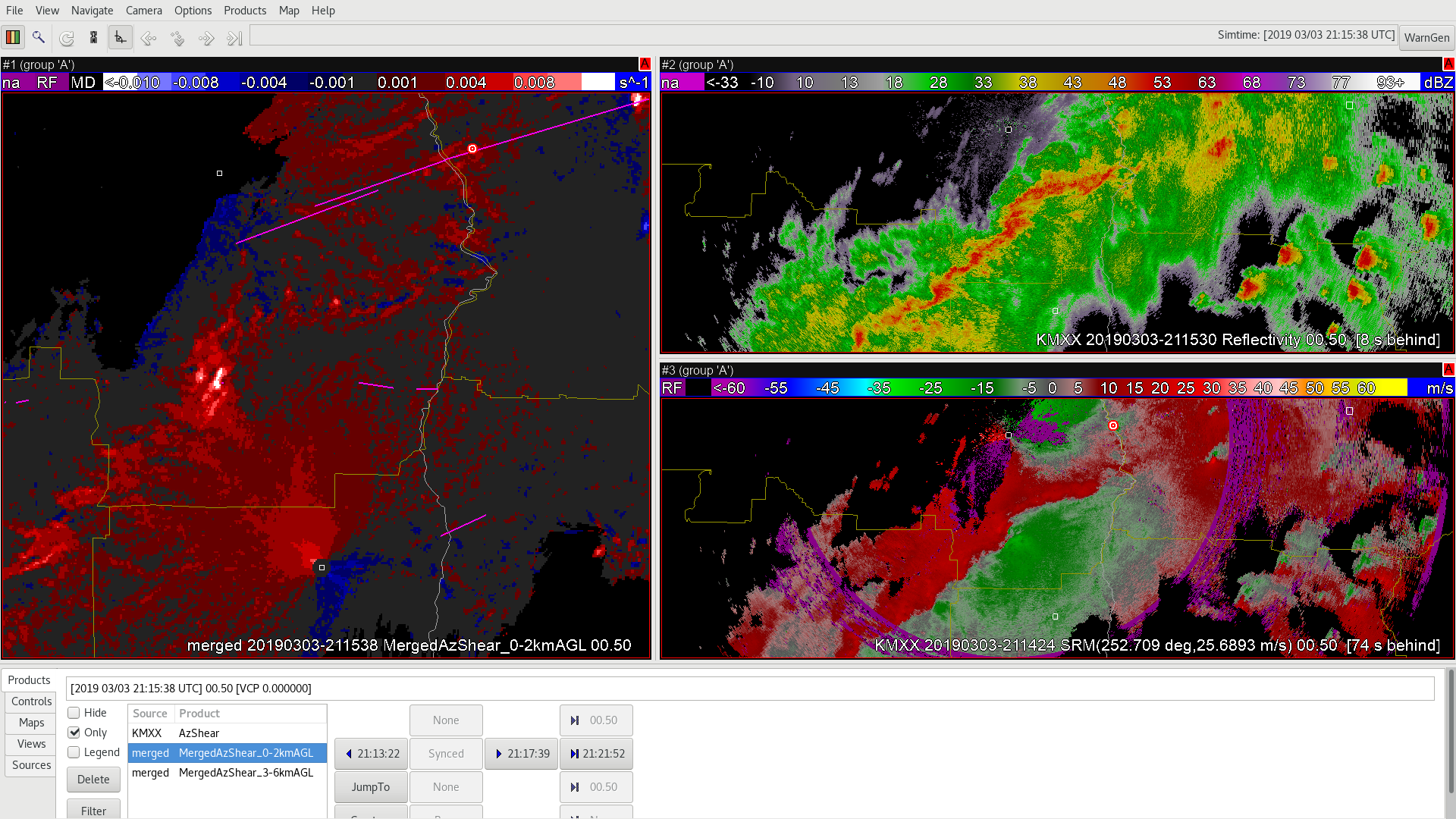
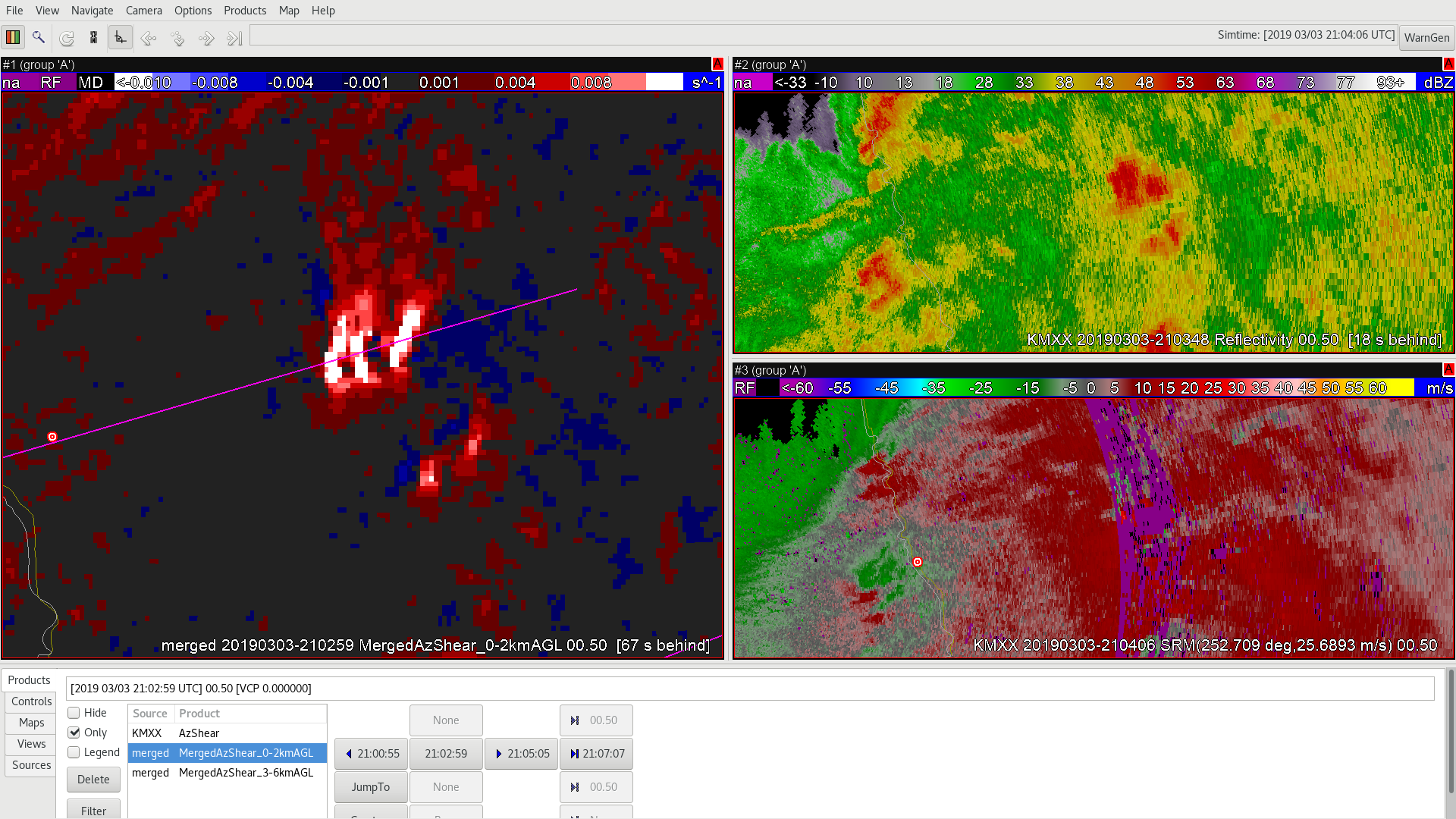
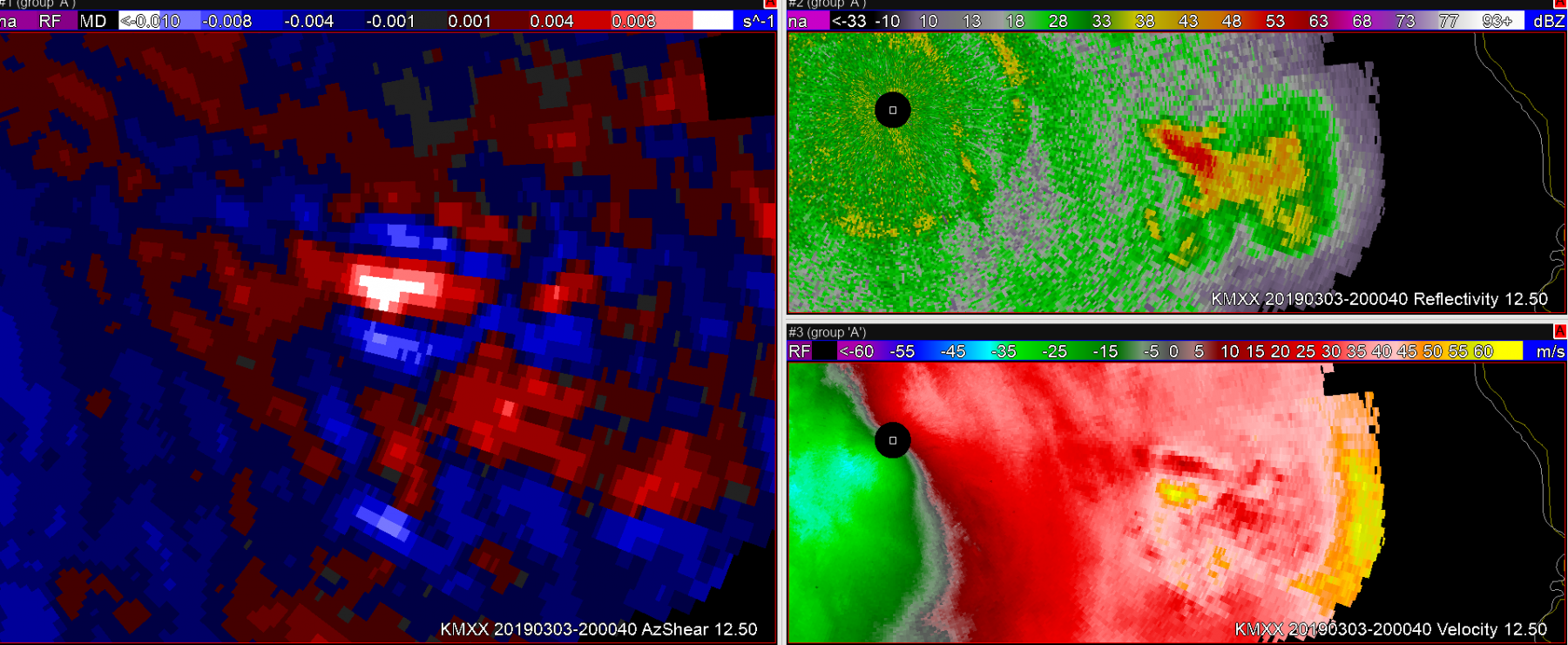
Zoomed out from the single radar (KMXX) in this case there is a lot of convergence going on along the line of thunderstorms but in this view you might not notice that a small circulation has formed in the velocity data. There is no obvious reflectivity signature but there is a local max in the AzShear Data – in this cased the Merged AzShear 0-2km AGL data. Lets investigate that further. 

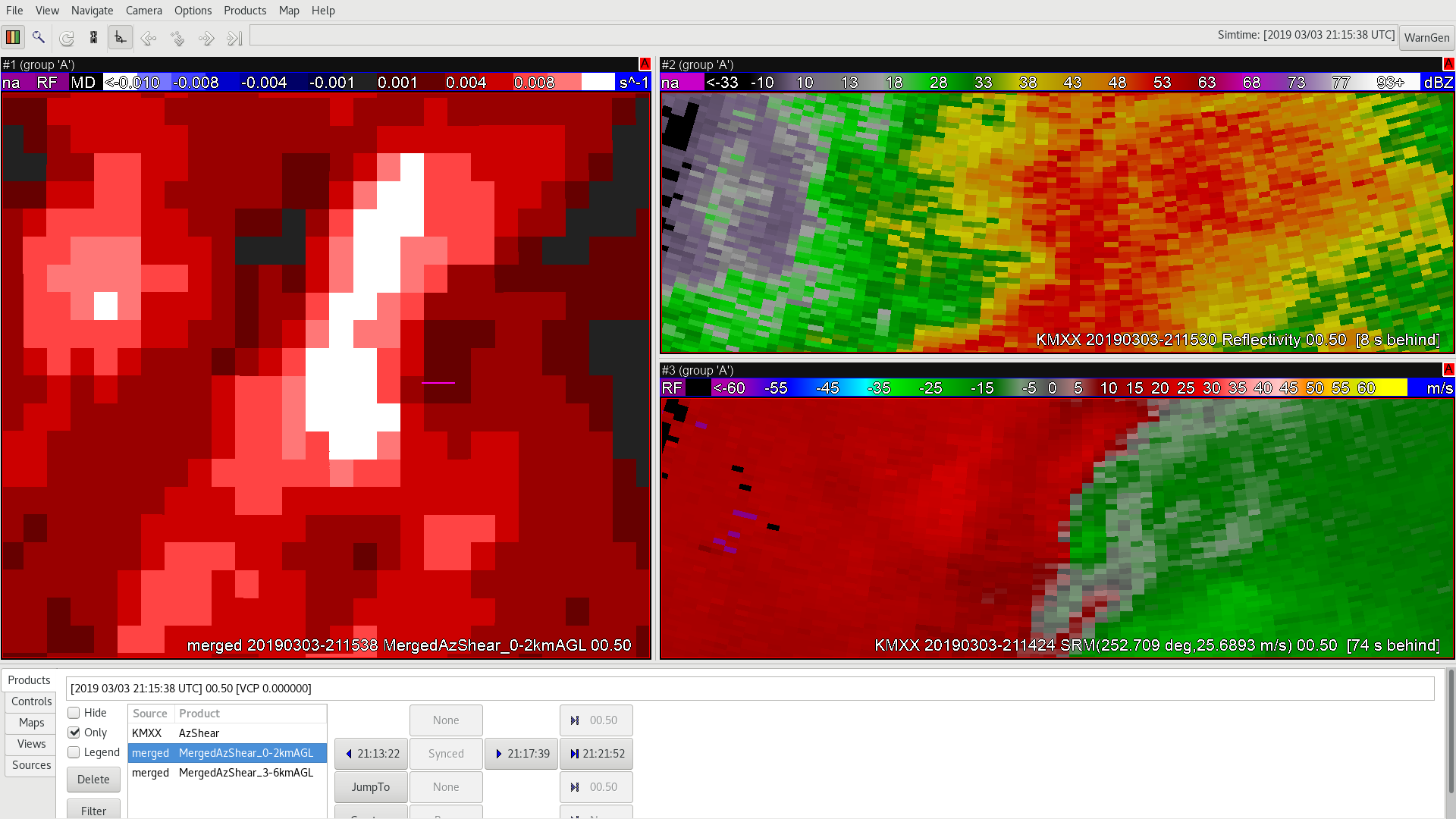
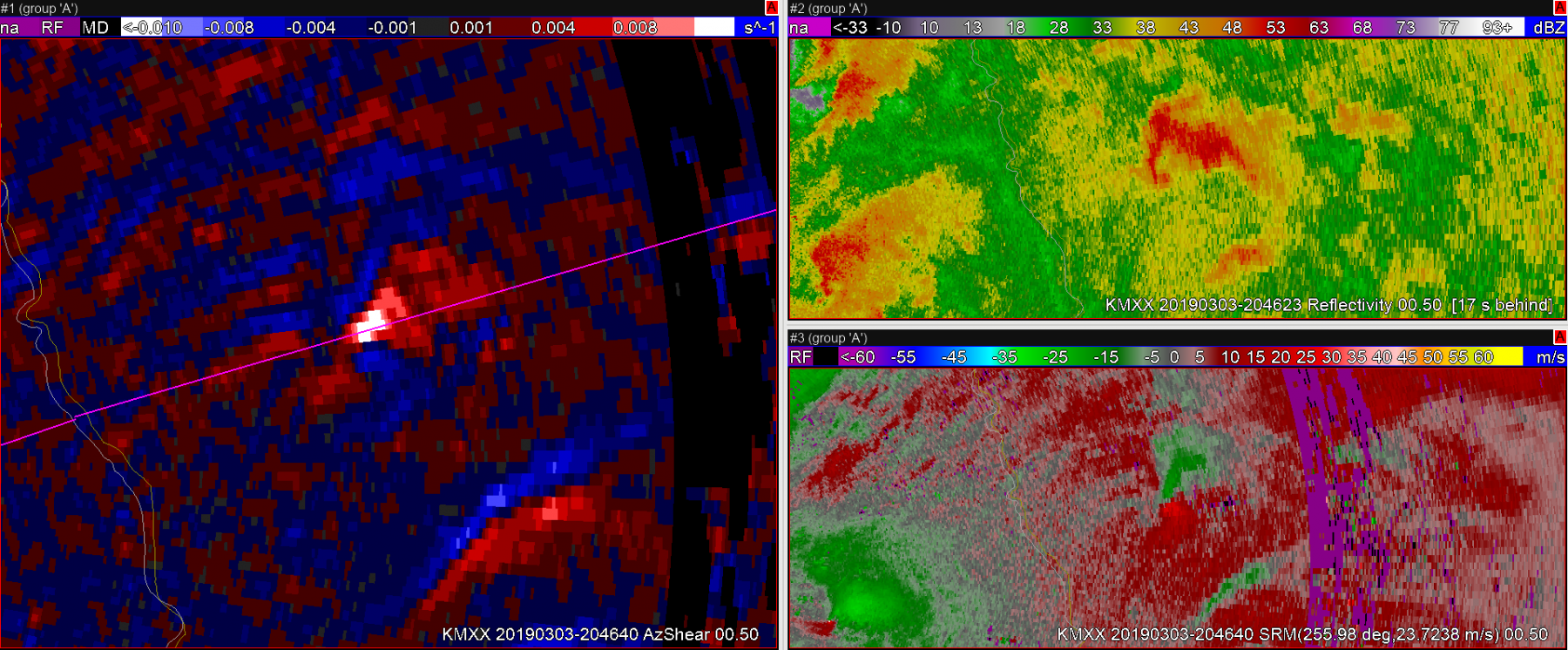
Zooming into the Merged Maxima you can now see a clear couplet in the SRM velocity data. And the pink tornado track line does confirm a tornado formed at this point. This is an example where on a broad scale the Merged Product (and the single radar as well) provided some Situational Awareness to a tornado that was not visible on the single KMXX velocity very readily.

Based on a rough guestimate a warning off of the Merged AzShear data would have given an additional 2-4 minute lead time to when the tornado formed in this case. An added bonus is that the Merged AzShear product decreased in intensity as the tornado dissipated just a few minutes later (see below). Going later in time the Merged AzShear does increase again, but the KMXX velocity couple remains rather diffuse and broad. The circulation does go onto later produce a tornado so the Merged AzShear product is at least indicating this is an area to keep monitoring. It is possible other local radars like KEOX, just to the south of this storm would have a better view of the couplet/storm.

-Alexander T.


AzShear False Alarm

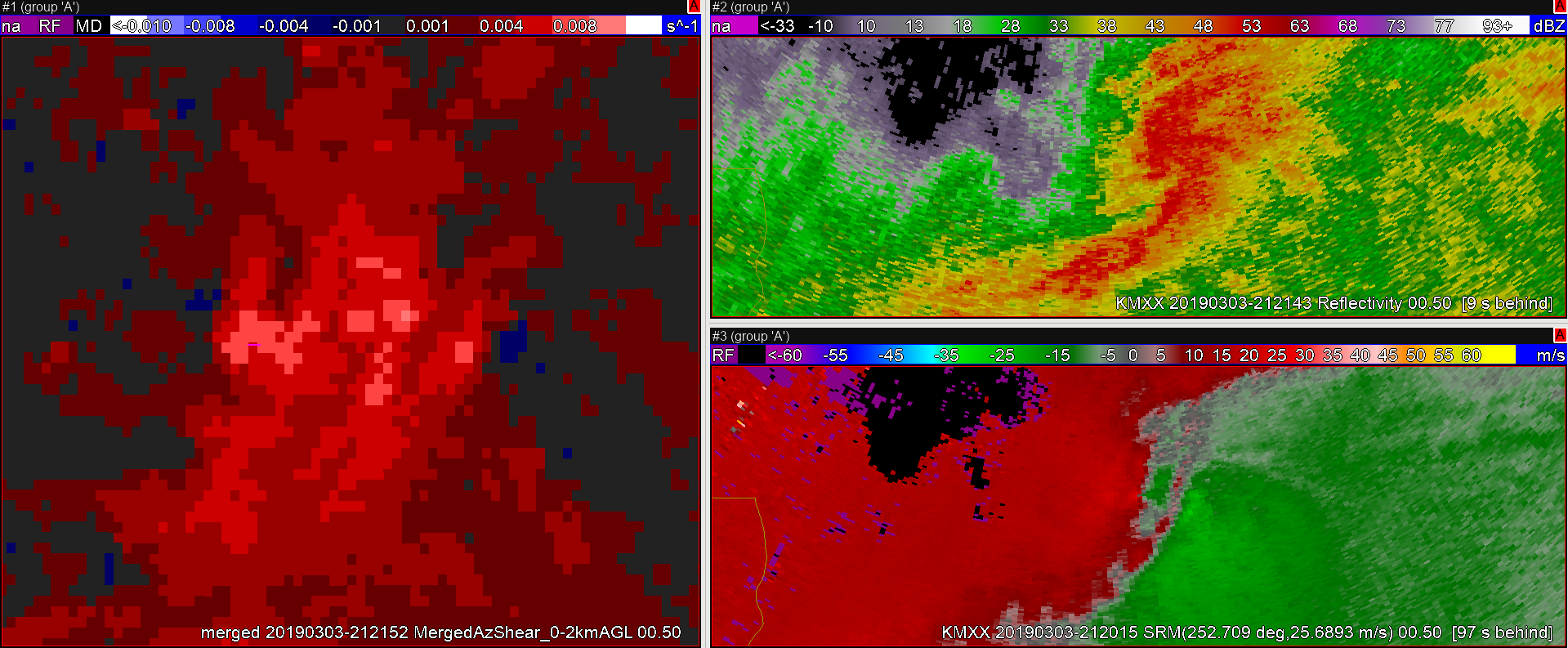
In this example, AzShear has highlighted a supercell that fails to produce a tornado. I suspect the cell merging from the south had a lot to do with the failed tornadogenesis, but this signal on other storms for this case was indicative of a tornado.Sandor Clegane

Highs and Lows of the Merged AzShear Product – Double Peaks vs. Viewing through the “purple haze”

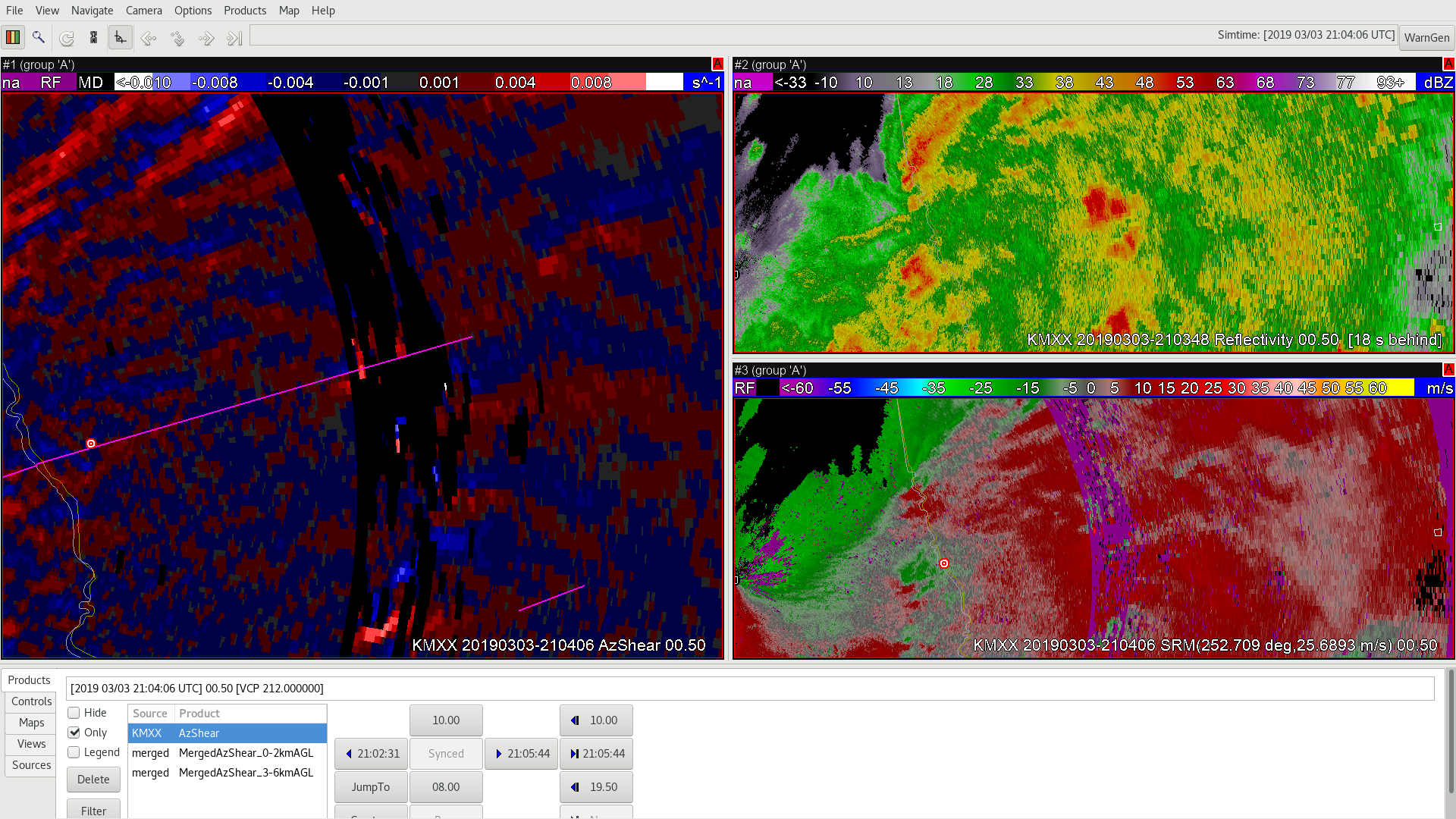
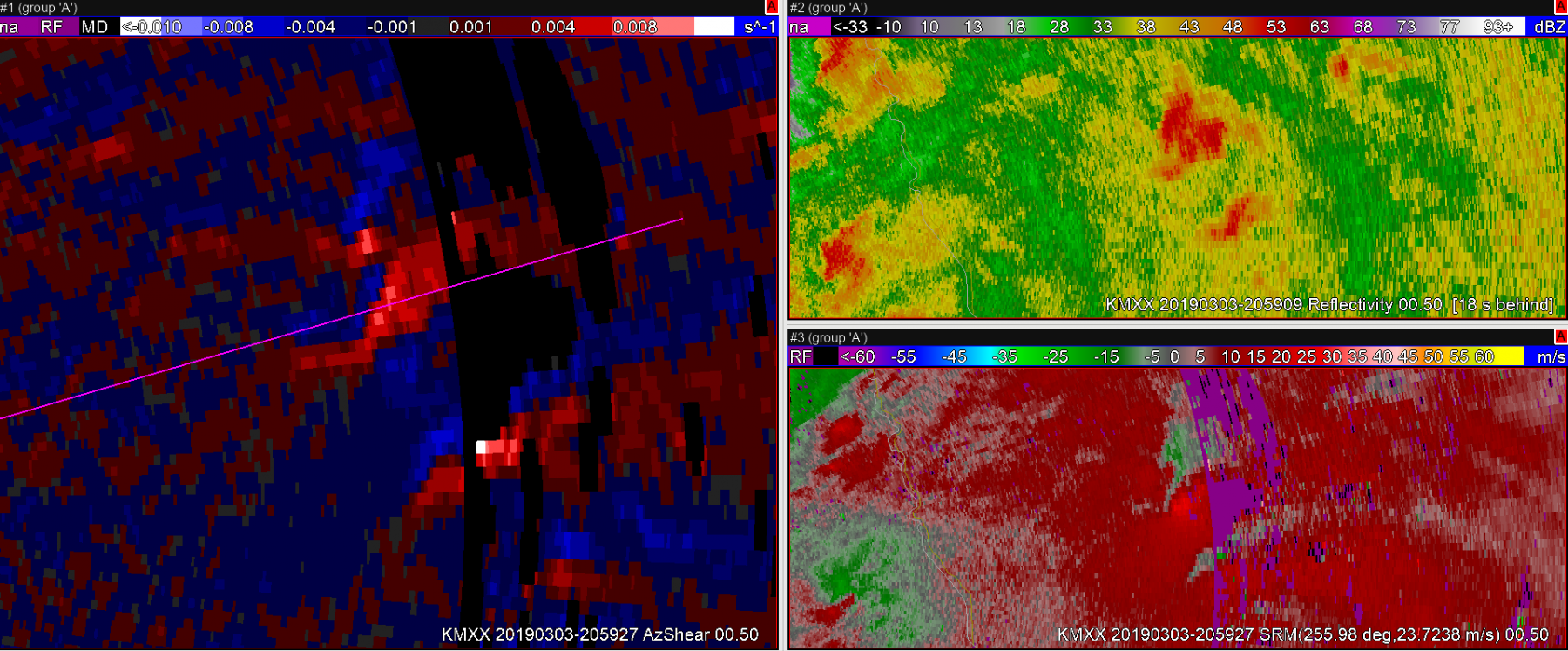
In the image above you can see that the AzShear and the Velocity product from the single radar have the circulation now lost in the infamous ‘purple haze’. One of the benefits of any MRMS product and in this case the Merged AzShear product is visibility in times like this. Neighboring radars (either individually or in the Merged Product) would still show the ongoing circulation. So lets take a look!

In the merged product you can indeed still see the circulation going strong in the Merged AzShear product, continuing to follow the pink tornado track, while the velocity couplet remains hidden (we are also getting far from the radar so we are looking well aloft in the storm). BUT the one noticeable feature of the Merged AzShear is the triple maxima in this case due to the SAILS cuts making their way into the Merged AzShear product.

Again this triple maxima is an artifact that training and experience would negate, but does show some of the good and the bad in terms of the Merged AzShear.

-Alexander T.

AzShear Remain High Even When Couplet Is Less Obvious

Later in the life of the storm, AzShear remains relatively high, even as the couplet in SRM is less obvious (though still there). This would boost confidence to keep a tornado warning going.However, toward the end of the tornado track both velocity and AzShear wash out before the tornado ceases (pink line).Sandor Clegane