Update – 2011-06-07 2040 UTC

We are currently working two CWAs:  Duluth MN and Grand Forks ND, in anticipation of convective initiation in our risk area.  Nothing so far!  The forecasters are monitoring the various CI products and the nearcast product, and we are in “wait mode”.

Greg Stumpf, EWP2011 Week 4 Coordinator

Tags: None

Morning Area Forecast Discussion 6/7/2011

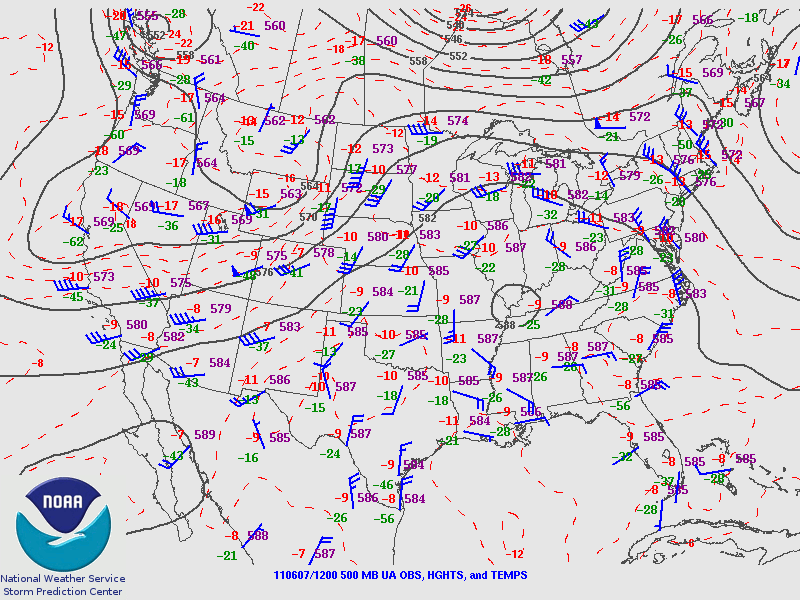
Satellite imagery reveals upper level energy…centered over southern Montana…with associated vort lobe extending through to northeast Colorado. Upper air analysis also indicates jet max from central Rockies region…then curves northward to the western Dakotas. Subjective surface analysis indicates a warm frontal boundary…from southeast North Dakota to northern Wisconsin.

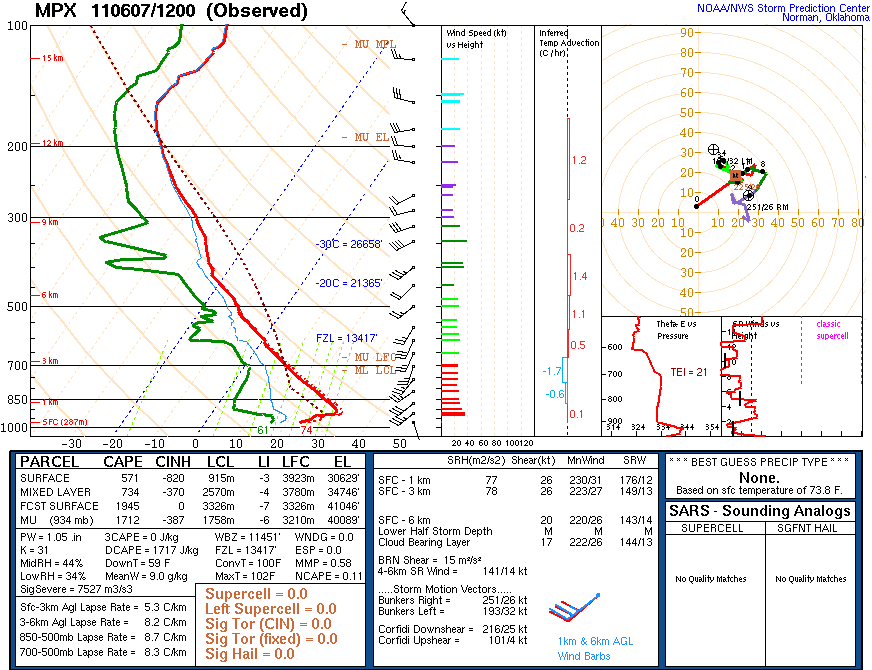
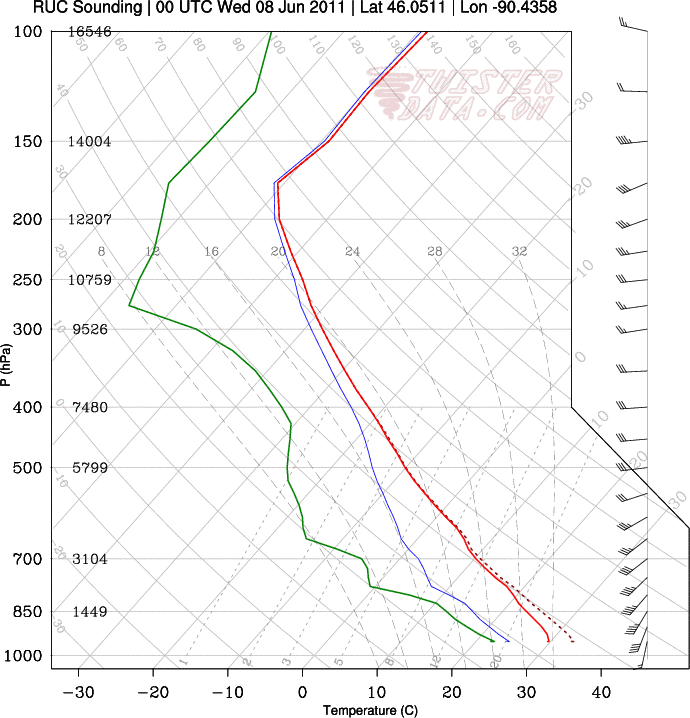
Surface based instability…south of the warm front…has already 2000 + j/kg….immediately south of warm front. Short term model output suggests that instability will reach extreme levels across much of Minnesota and Wisconsin…and the extreme eastern Dakotas…as the warm front lifts slowly northward this afternoon. Forecast soundings indicate deep layer shear will continue to be strong…as jet energy remains near the area. Forecast low level shear fields appear to be strongest…>200 m2/s2 …from long Canadian border from eastern North Dakota…northern Minnesota…to Lake Superior.

Forecast convective initiation will be affected by a considerable low-mid level cap…per 12z regional soundings.

However…this convective inhibition is expected to weaken…as upper wave rotates through the northern plains this afternoon and evening.

At this time…expect greatest potential for severe convection will be across these areas (in order of greatest potential) :

  1. DLH
  2. GRB/MQT
  3. FGF
  4. northern areas of MPX/ARX

At this time…supercells appeared to be preferred between 21z-03z..across areas 1 and 2…across areas of best distribution of surface based instability and deep layer shear.

DC LMA —

Limited possibility exists for thunderstorms in the D.C. LMA… as an ongoing mcs complex over eastern Ohio and northern West Virginia may continue to track southeast towards the DC LMA target area and/or provide a low level focus for new development. Models indicate better instabilities will be located over the western part of the LMA. Marginal deep level shear will limit the likelihood for supercell development.

sohl/buonanno

Tags: None

EWP2011 Week #4 Begins

Monday 6 June begins the fourth and final week of our four-week spring experiment of the 2011 NSSL-NWS Experimental Warning Program (EWP2011) in the NOAA Hazardous Weather Testbed at the National Weather Center in Norman, OK.  Our distinguished NWS guests will be Bill Bunting (WFO Fort Worth, TX), Chris Buonanno (WFO Little Rock, AR), Justin Lane (WFO Greenville, SC), Chris Sohl (WFO Norman, OK), and Dan Miller (WFO Duluth, MN).
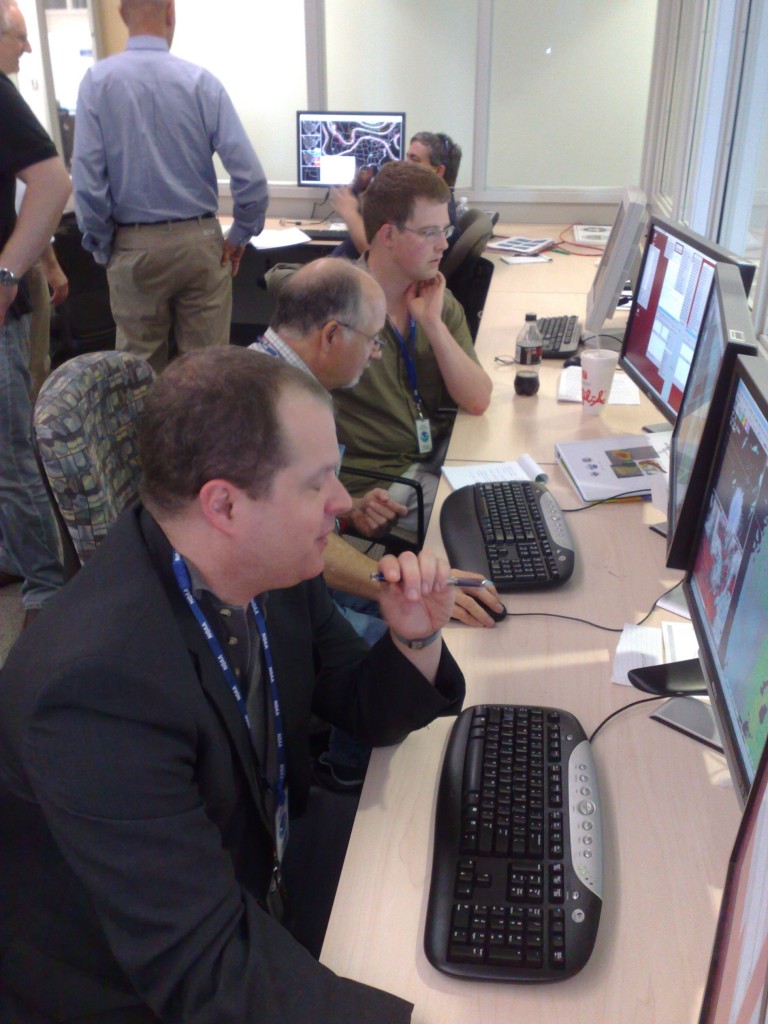
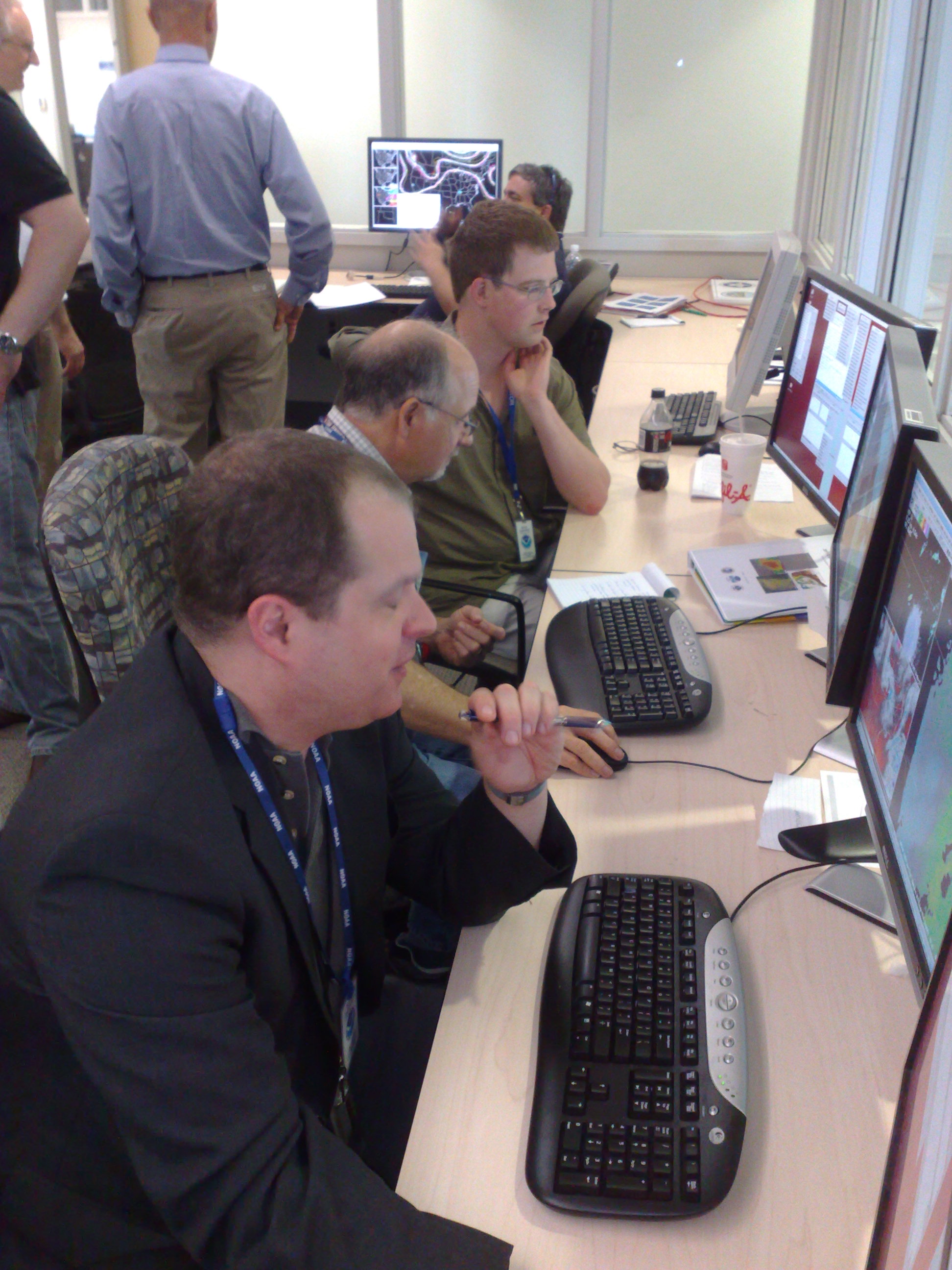
Photo 1:  From the foreground…Chris Buonanno, Chris Sohl, and Pieter Groenemeijer.
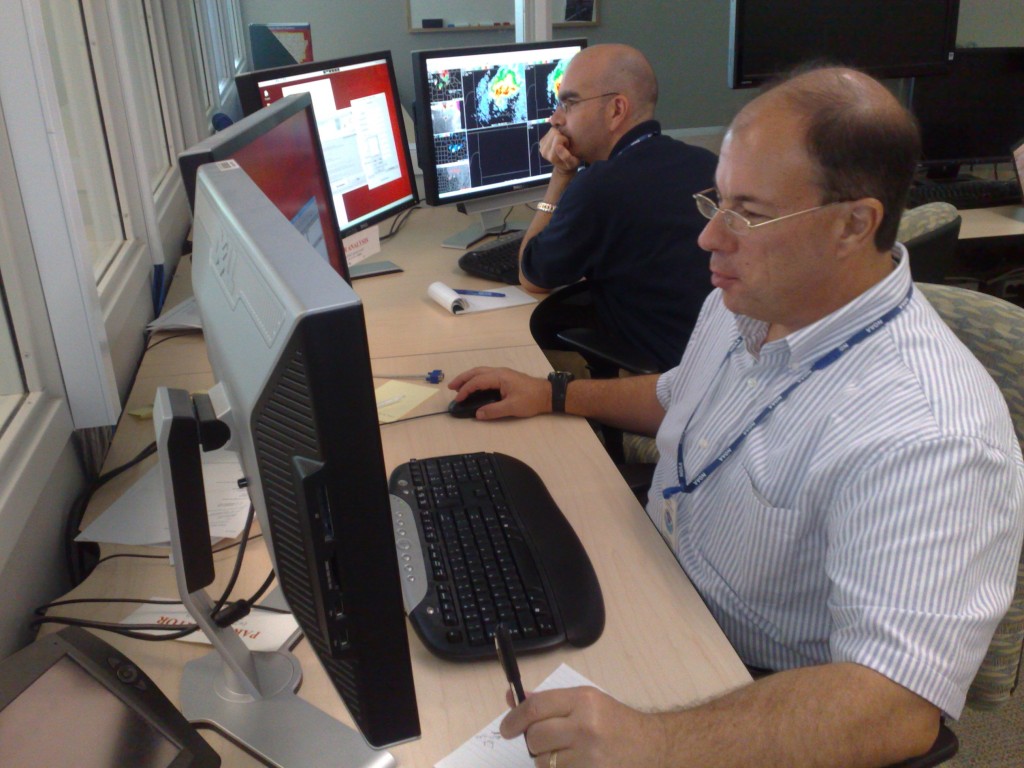
Photo 2:  From the foreground…Bill Bunting and Justin Lane.

Other visiting participants this week will include Ralph Petersen (UW-CIMSS), Bob Aune (UW-CIMSS), Jordan Gerth (UW-CIMSS), Lori Schultz (UAH), Jim Gurka (NESDIS), and Pieter Groenemeijer (European Severe Storms Laboratory, Munich, Germany).

Today, Monday, is the time we spend training our visitors and getting them acquainted to the experimental products which they will be evaluating during real-time operations on Tue-Wed-Thu.  The first half of the day consisted of PowerPoint presentations from the various project PIs.  The second half of the day, they are perusing the experimental data on a displaced real-time case from 19 May 2010 over Central Oklahoma (High Risk supercell and tornado day).

Greg Stumpf, EWP2011 Week #4 Coordinator

Tags: None