Early Detection of Convection w/GLM

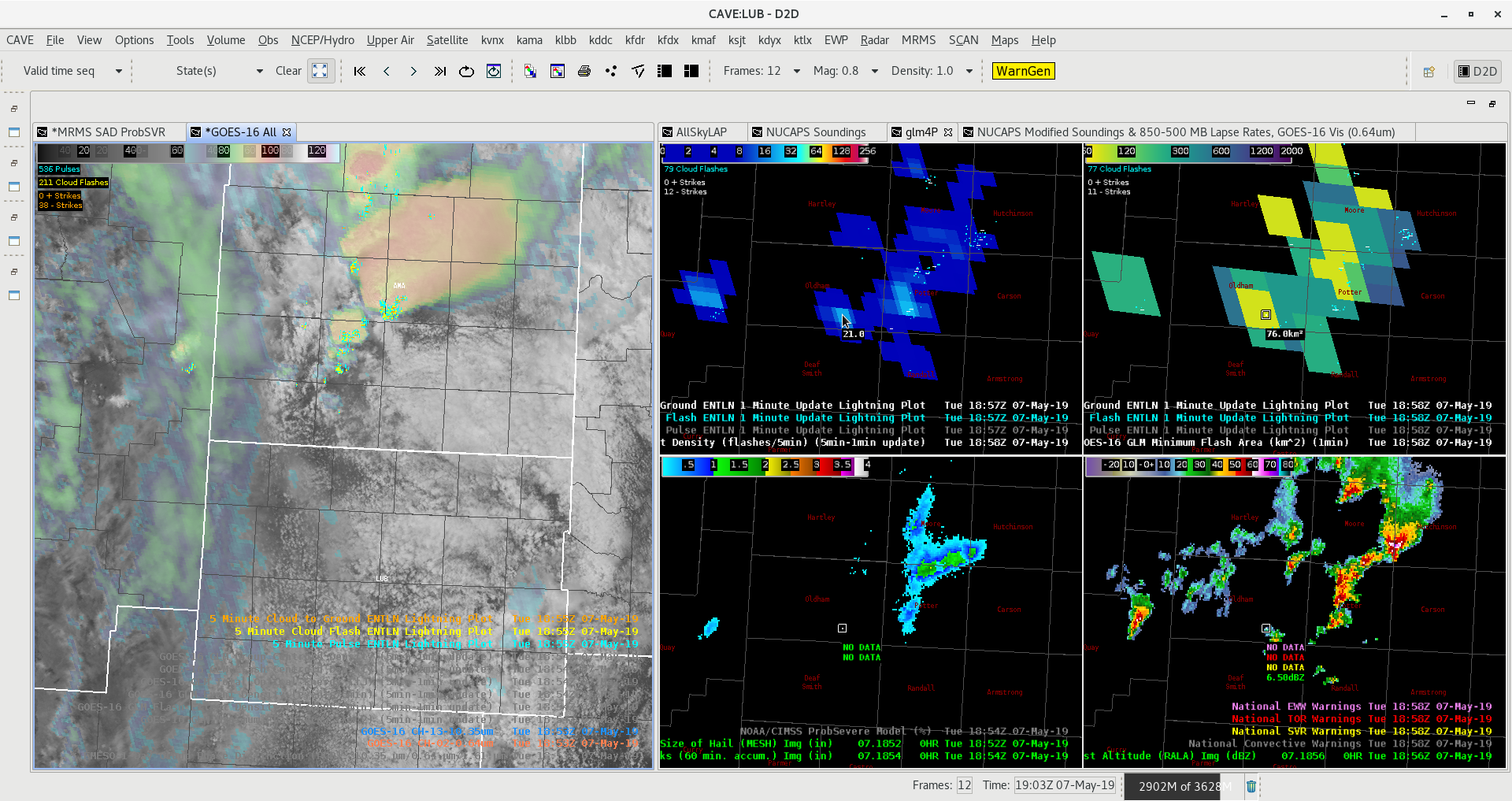
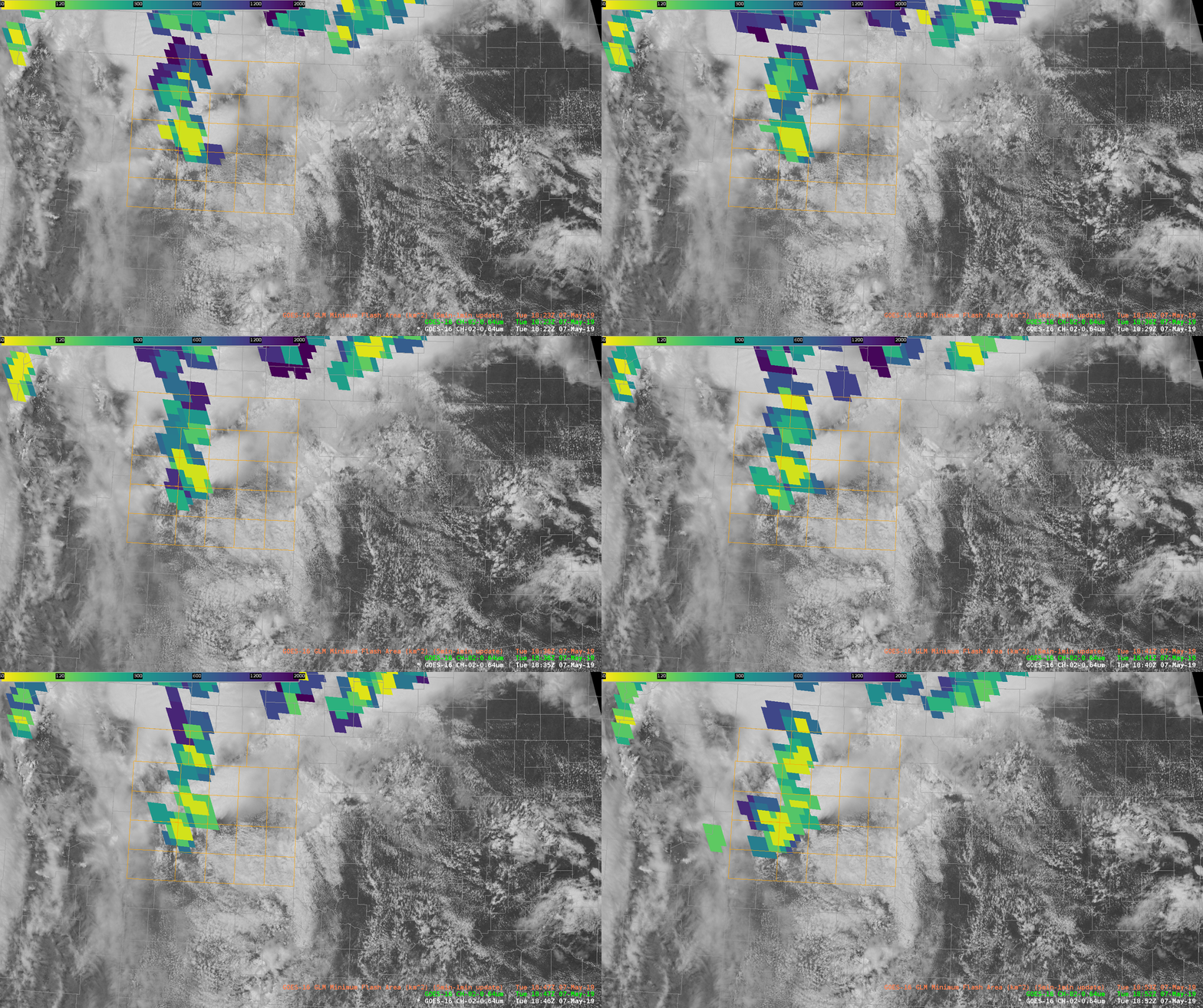
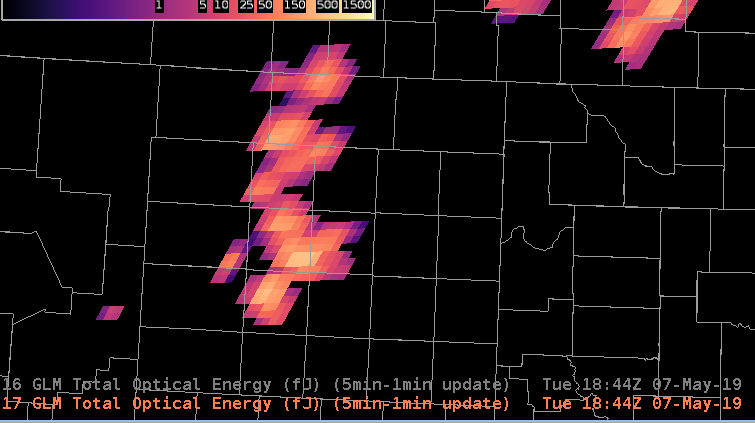
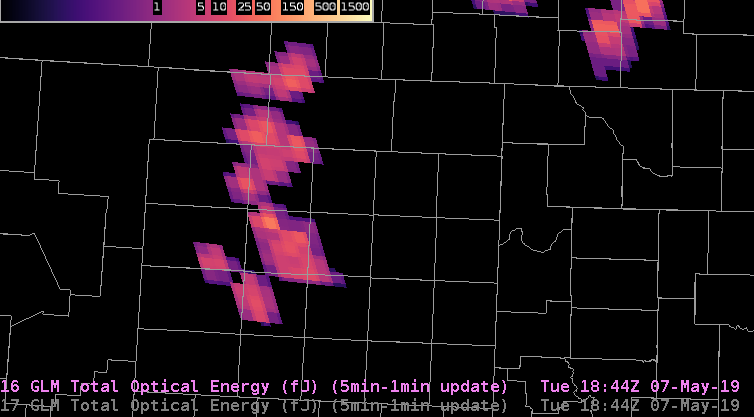
Impressed by the early convective detection by GLM in this case. The image below was in real time and you can see the GLM Minimum Flash Area and Flash Extent Density is already lighting up in Oldham County in the AMA CWA. However, the 1-minute MESO GOES-16 data barely had cooling cloud tops being detected and there was no detection of precip at that location on MRMS yet (actual first time of detection was 2-minutes sooner than picture below where MRMS has no detection of radar echoes).

#ProtectAndDissipate

Differences in TPW and LAP in pre-storm environment over AMA

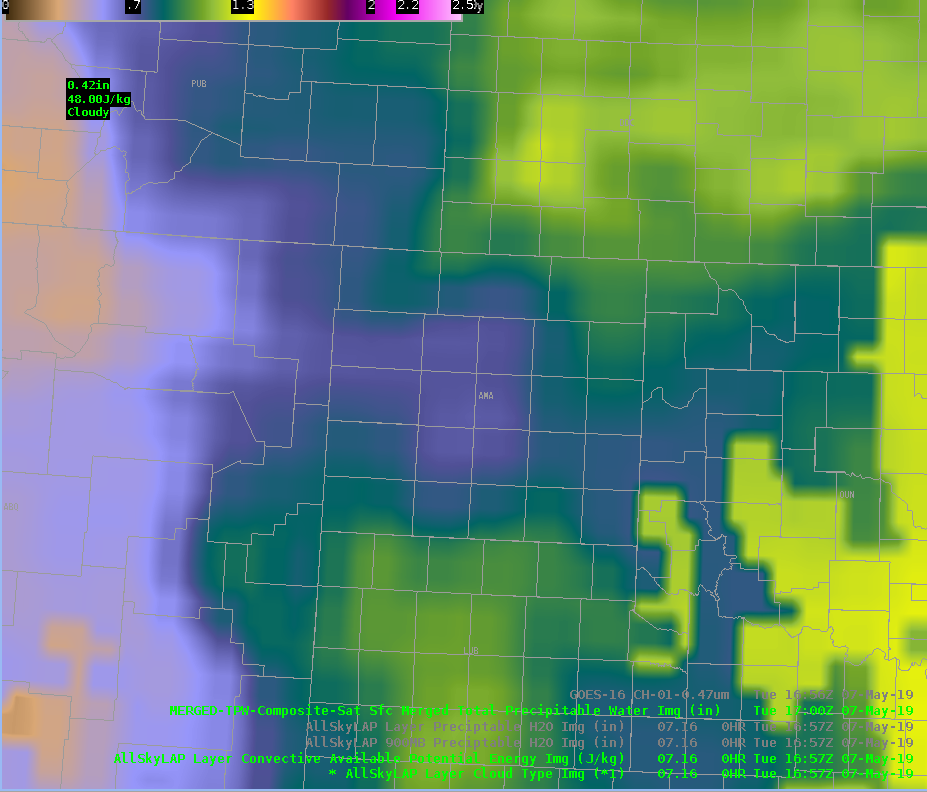
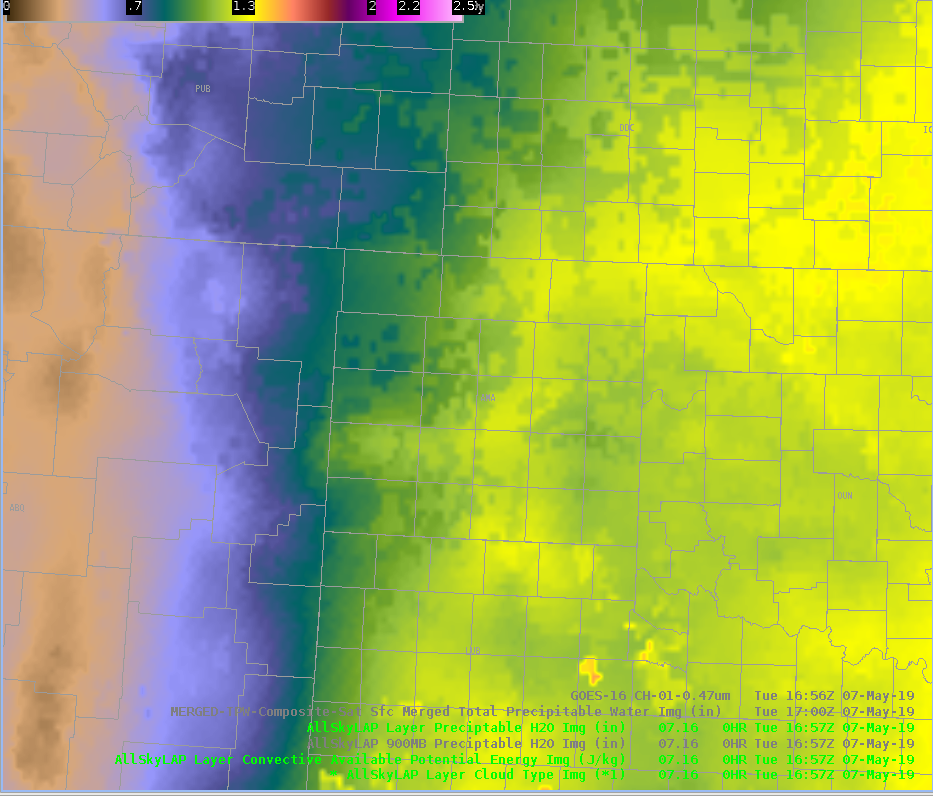
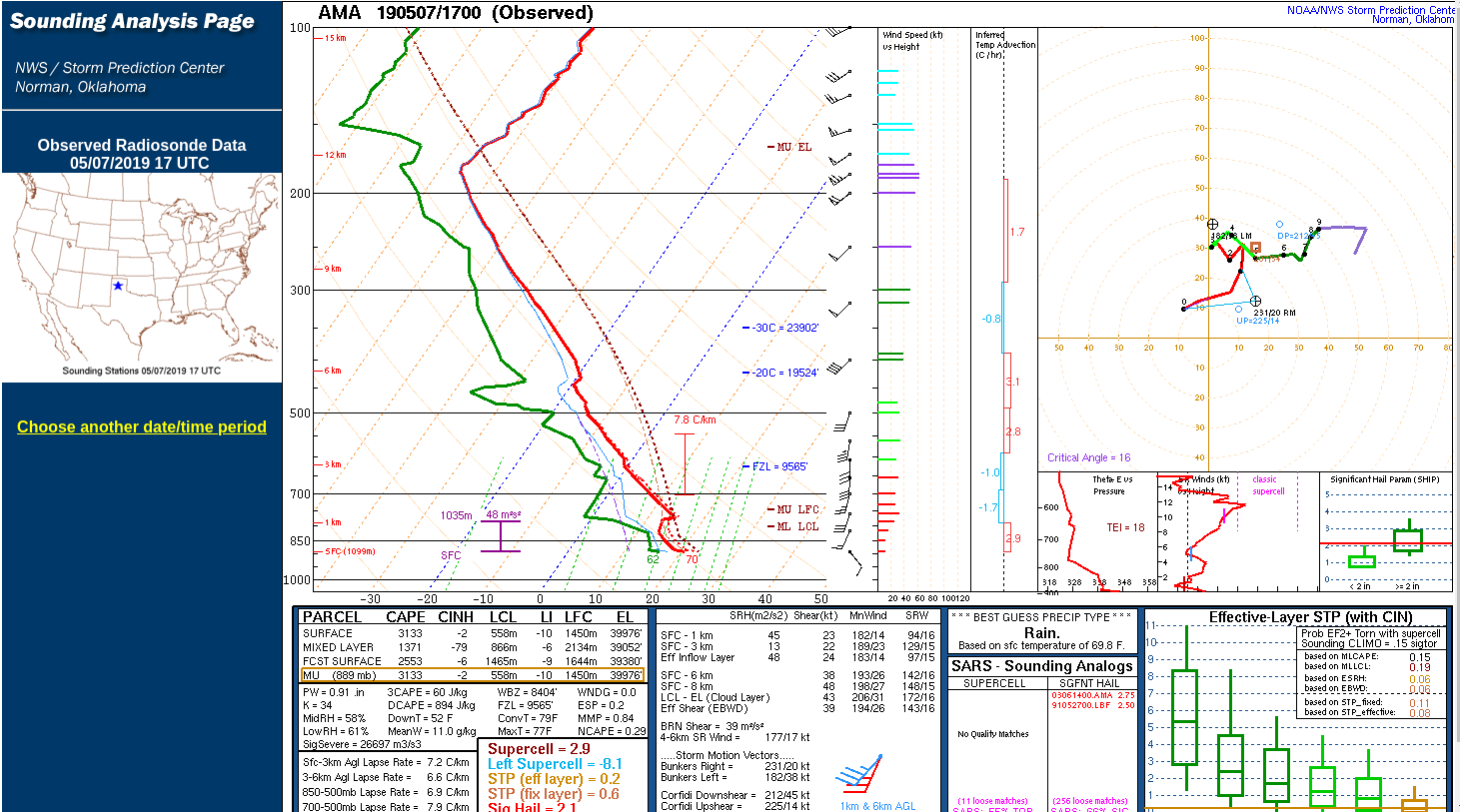
Noticed a major difference in the pre-storm environment at 17Z, just before convective initiation, between the TPW and LAPS products Total Precipitable Water Products. AllSkyLAP Total Precipitable H20 was observing ~1.25″ at 17Z whereas the Avd. Blended TPW observed ~0.7″ at 17Z. A special 17Z sounding observed 0.9″. While AllSkyLAP ‘looked’ more realistic from a mesoanalysis standpoint, the sounding was closer to the Adv. Blended TPW product. Would like to see more sounding verification between the 2 products.

#ProtectAndDissipate

NDAM in my DMA

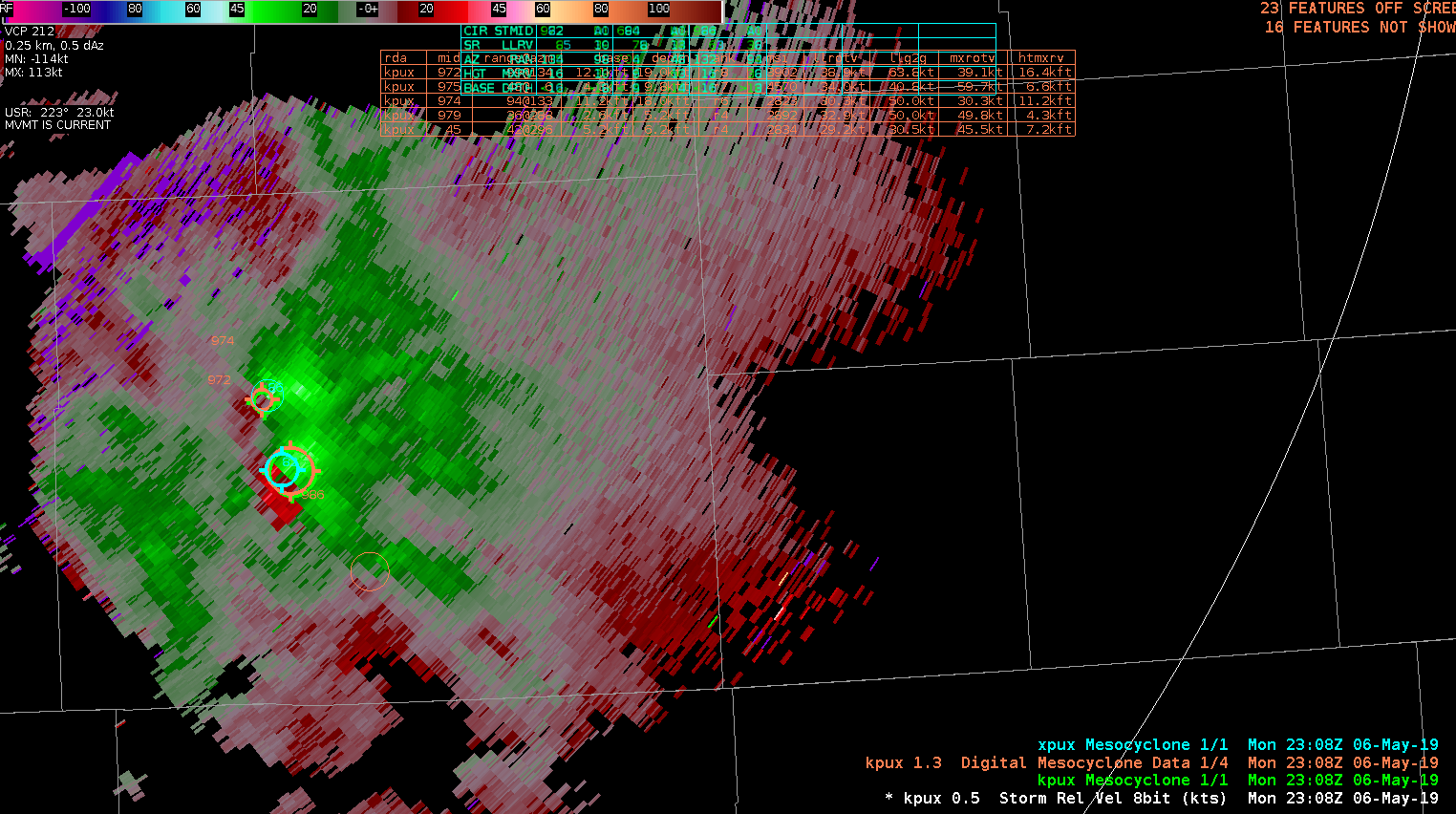
DMA is a television market area and my home market is next to my assigned CWA for the day. A storm on the fringes of the DMA, approaching the CWA is in a known radar hole…lowest tilt of KPUX radar (Even DDC) doesn’t provide good low-level analysis of storms that far from the dish, but NDAM showing similar detection to existing products at 2308Z…

-icafunnel

Good non-severe storm with agreement from radar/satellite products

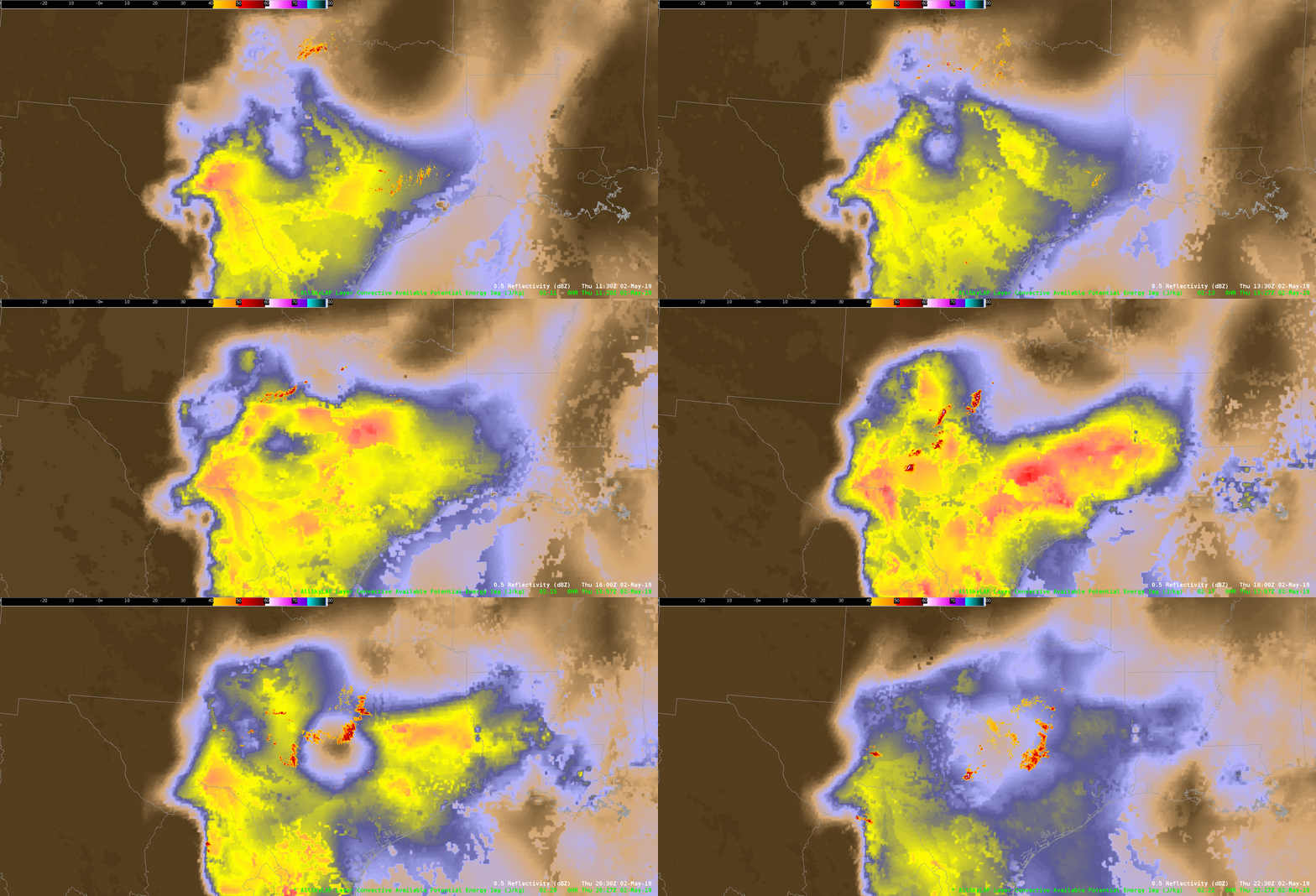
One storm became near severe around 545 pm in EWX CWA. All parameters; lightning, ProbSevere and Dual-pol radar agreed on the evolution of the storm and expected impacts. Radar data suggested there to be equal wind and hail threat based on high ZDR and KDP within the core suggesting sub-severe hail. There was some notching in the back side of the storm’s reflectivity as the front end of the storm surged eastward suggesting some wind threat. Lightning over this time had increase from 10 fl/min to 20 fl/min about 15-20 minutes prior to the development of some weak mid level rotation. As the storm cycled and weakened, so did the lightning and ProbSevere values. An uptick in GLM event density was followed by a slight increase in ProbSevere values toward the end of the loop.
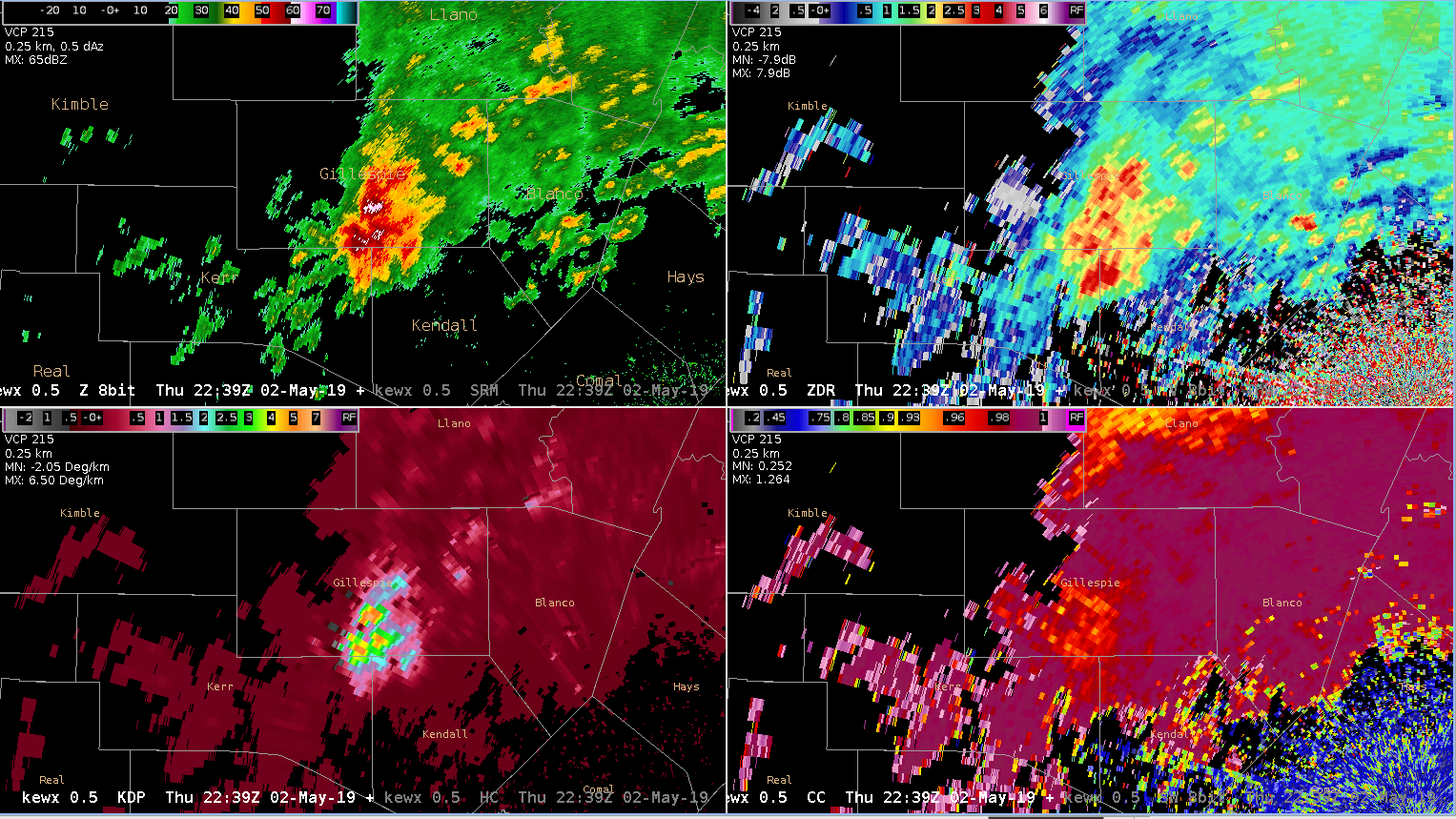
KEWX 4-panel – Refl (UL), ZDR (UR), KDP (LL), CC (LR)
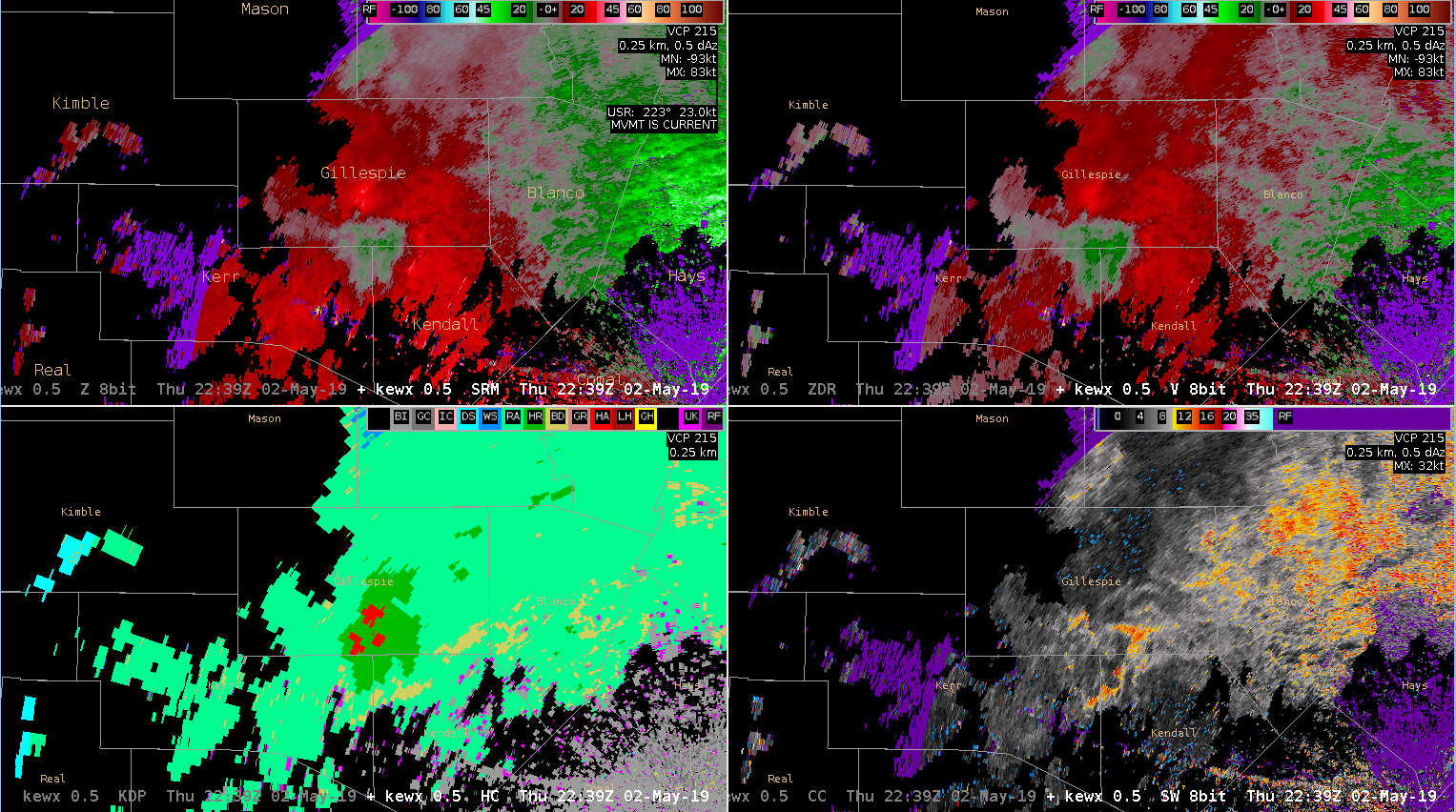
KEWX 4-panel – SRM (UL), V (UR), HC (LL), SW (LR)
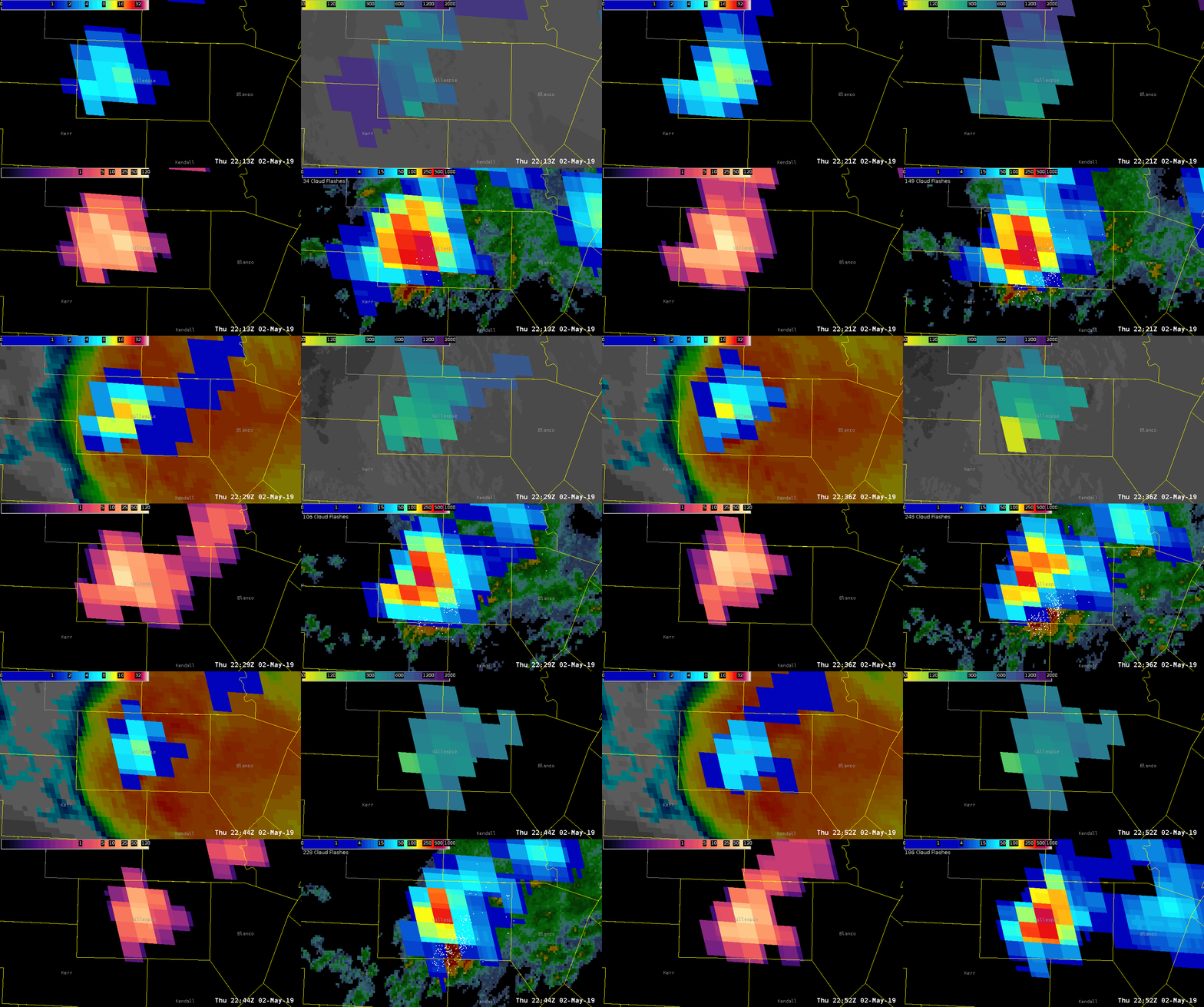
GLM sequence of Gillespie County storm – 1-min(FED)(UL),AFA(UR),TOE(LL),EventDensity(LR)
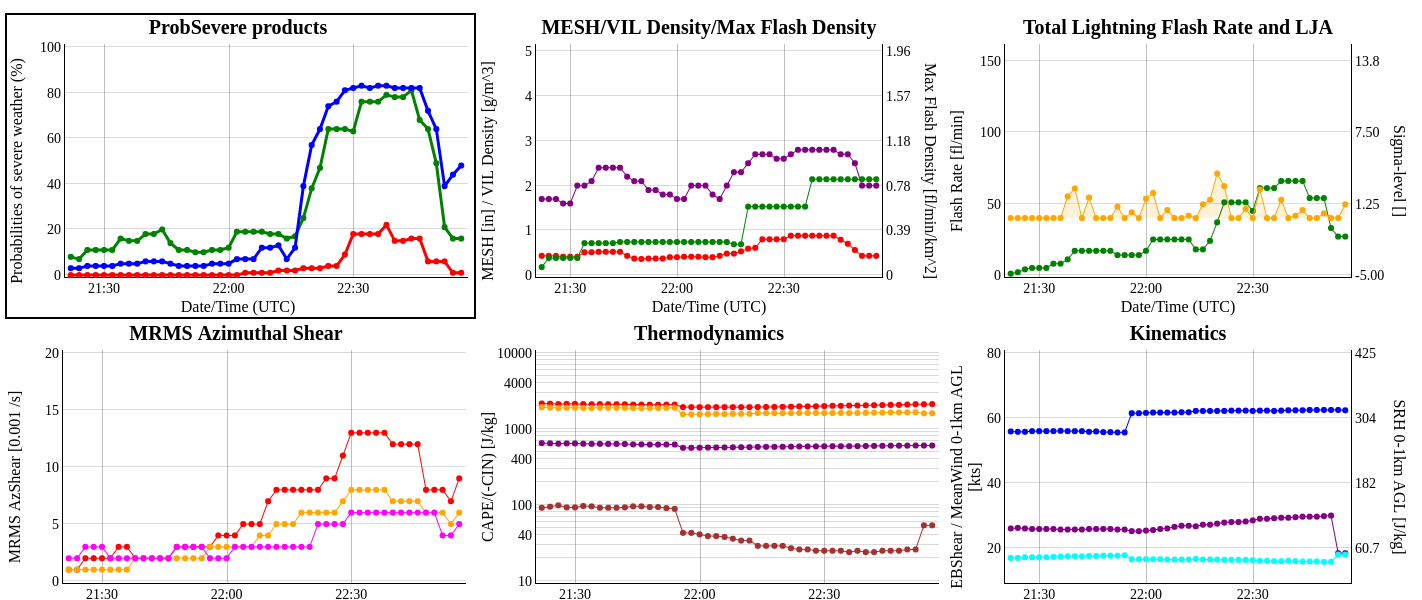
ProbSevere time trends from http://cimss.ssec.wisc.edu/severe_conv/plots/PSplots.php?ID=176047

— SCoulomb

All-Sky LAP PW vs. Merged TPW

There has been considerable examination of the All-Sky LAP products (PW and CAPE) this week, and for good reason – they’re quite good. I wanted to take a quick look at how the All-Sky LAP total PW compared with the merged TPW product. The All-Sky product is on the left and TPW on the right. I overlaid the 20z 1 hour RAP PW forecast for comparison. Ignoring the higher resolution of the All-Sky, the very broad distribution of enhanced and depressed values are similar in location between the two products. However, the TPW values are considerably lower than both the All-Sky and the RAP forecast. Further, pulling the 21z SPC mesoanalysis PW shows that the All-Sky tends to be the better of the two satellite products.

The TPW seems good for very broad generalizations, but if given a choice between the two in operations, I’ll take the All-Sky, All-Day Every-Day.


–Stanley Cupp