


LightningCast
Towards the beginning of operations, there wasn’t much to look at in the MAF CWA, however just to our south, LightningCast was able to pick up on the cell shown in Figure 1 below pretty well before the first lightning strike. It was interesting to see that v2 increased the probabilities to 50% before v1, however v1 increased to 70-90% before v2 a couple frames before GLM depicted the first lightning flash. So in this case, both versions did well in detecting this cell’s lightning potential, with version 1 taking the lead in the higher probabilities right before the lightning occurred.
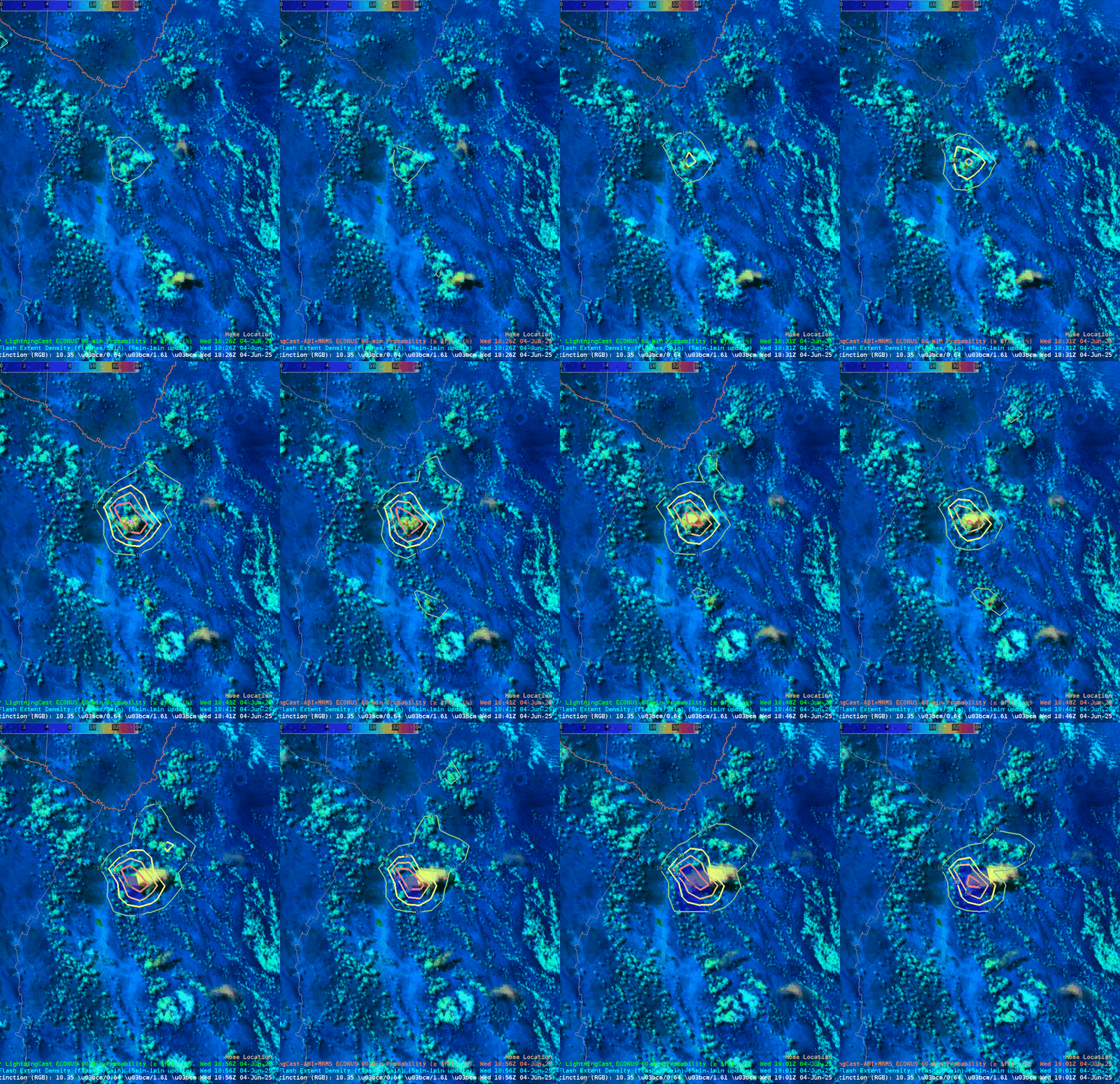
Figure 1: LightningCast v1 (left) and v2(right)
Another example of version 1 taking the lead is in a different cell just south of Redford, TX shown below in Figure 2. Both versions caught on to the cell at the same time with the 10% probabilities, however as the cell continued growing, version 1 seemed to hold on to the higher probabilities more so than version 2 before GLM showed the first lightning flash.
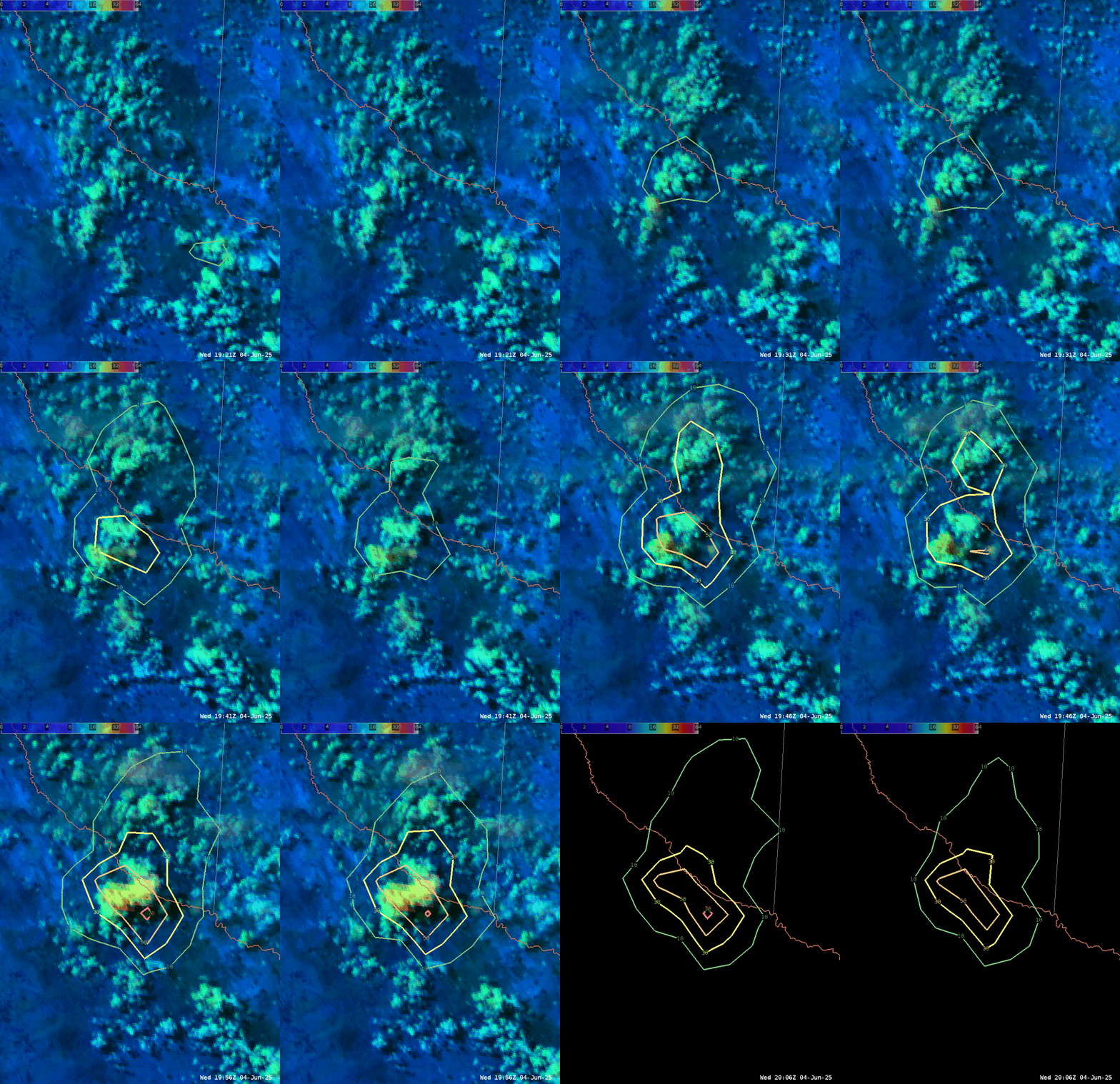
Figure 2: LightningCast v1 (left) and v2 (right)
Octane & GREMLIN
I really liked assessing the cloud top cooling in the Octane 4-panel in the image below. You can really parse out that cell just south of Redford, which ended up also upticking in LightningCast probabilities (not shown). This was a great way to keep up the situational awareness and determine which cells needed more focus, especially being without radar to assist.
Figure 3: Octane 4 Panel
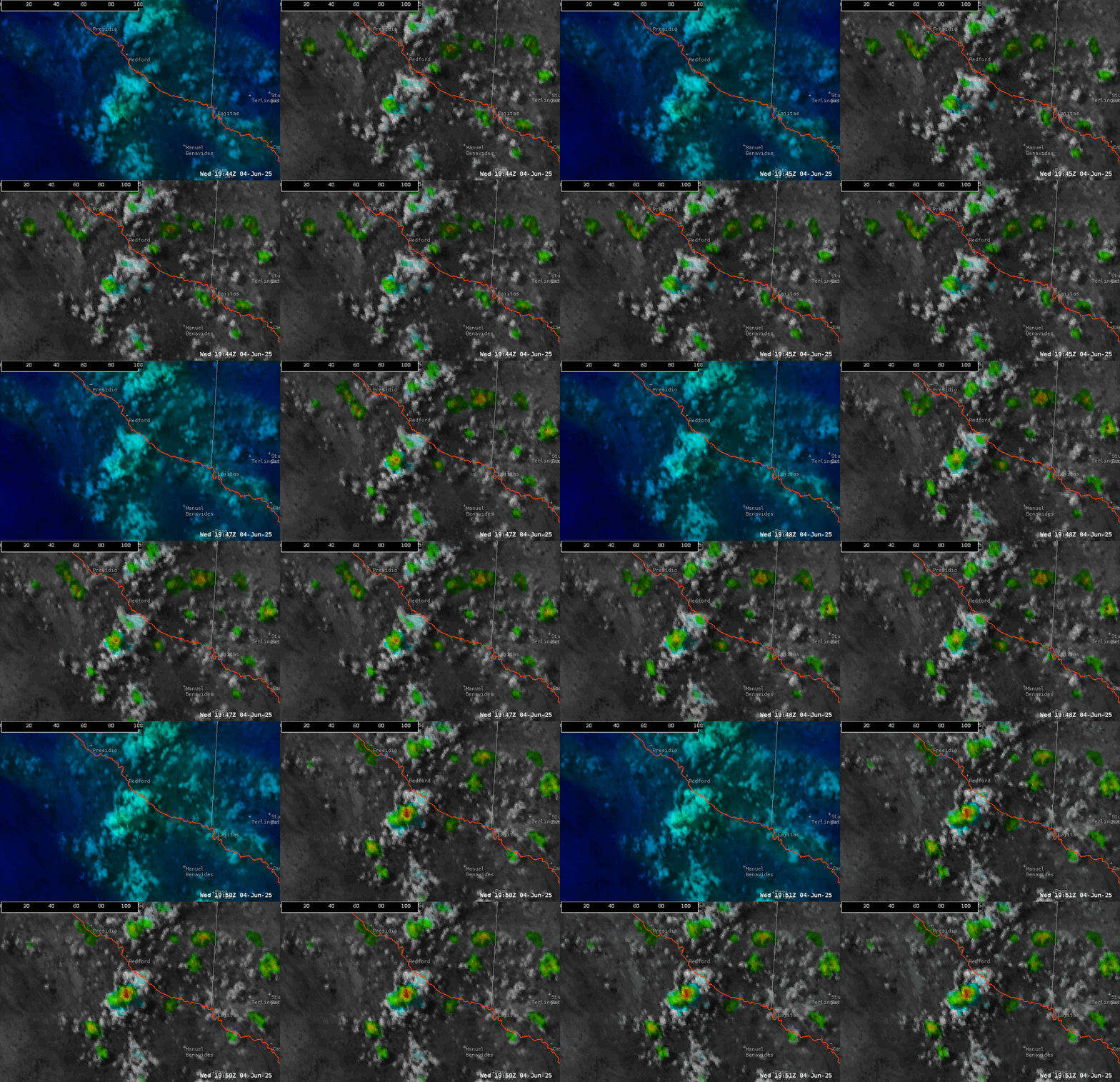
GREMLIN also picked up on this cell, which I thought did a pretty good job. It’s hard to assess whether or not it matched up with radar since we weren’t using radar today, however I think with the lack of lightning, and a newer cell, the GREMLIN imagery looked fairly good.
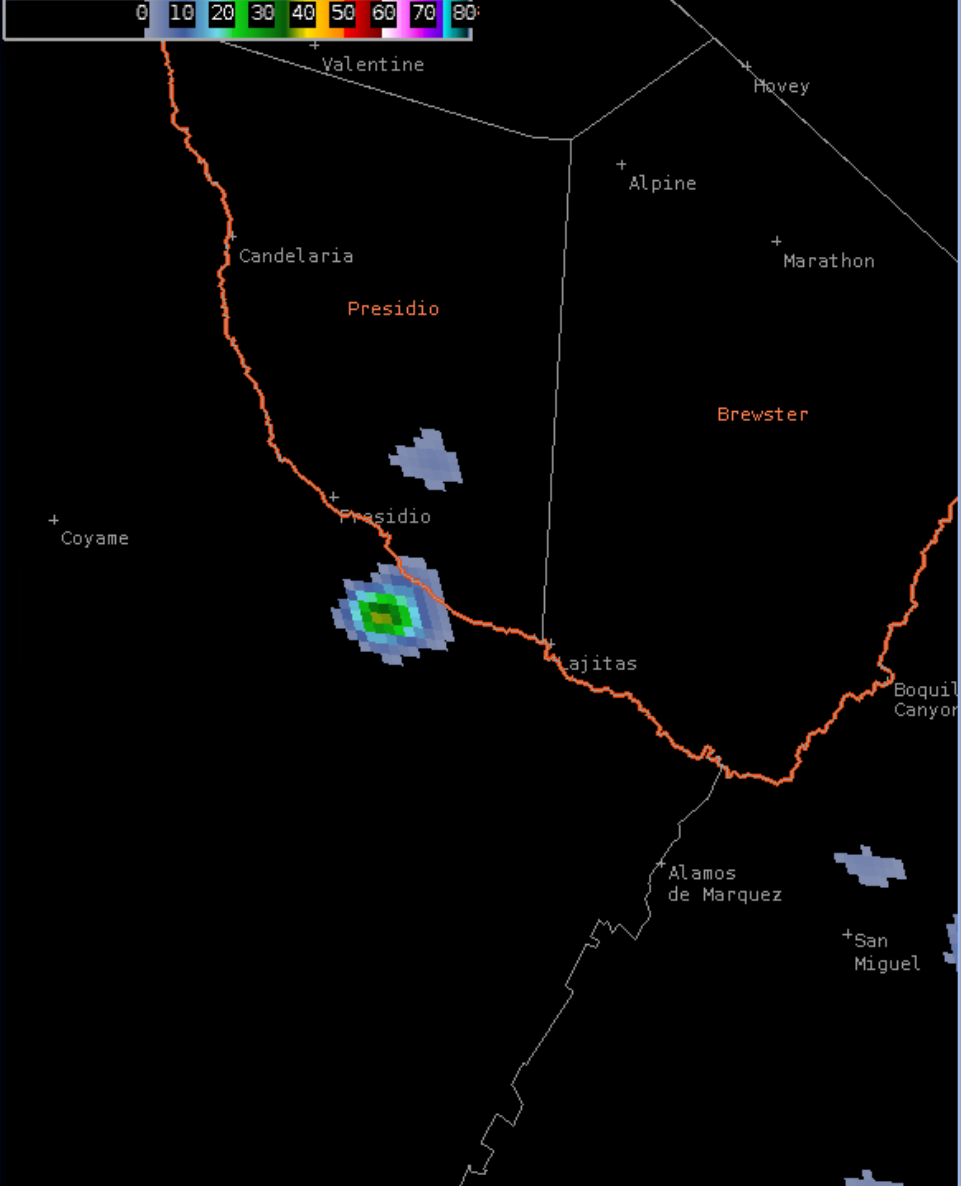
Figure 4: GREMLIN
This cell later went on to grow fairly tall, with GREMLIN actually depicting a >60 dbZ echo and Octane showing pretty consistent divergence (not shown), so we ended up issuing a warning. I thought GREMLIN did really well, and led to higher confidence in issuing a warning without having actual radar data.
Comparing Octane Color Curves
With little convection in our CWA, I was able to take some time to compare the Octane colorcurves (Stoplight vs. Original). Before today, I tended to gravitate more towards the original colorcurve with Magenta hues as the divergence and the stoplight colors as the cloud top cooling. However the two images below show both color curves at 20:22Z – In this example, the magenta color curve in Figure 6 would lead me to believe the divergence was fairly good in this cell. But the stoplight color curve shows the divergence actually isn’t as good. Comparing this to lightning, GREMLIN, and IR satellite imagery, I like how the stoplight color curve “talked me down” to be more realistic of what was actually going on. So for day 3, the stoplight color curve took the lead.
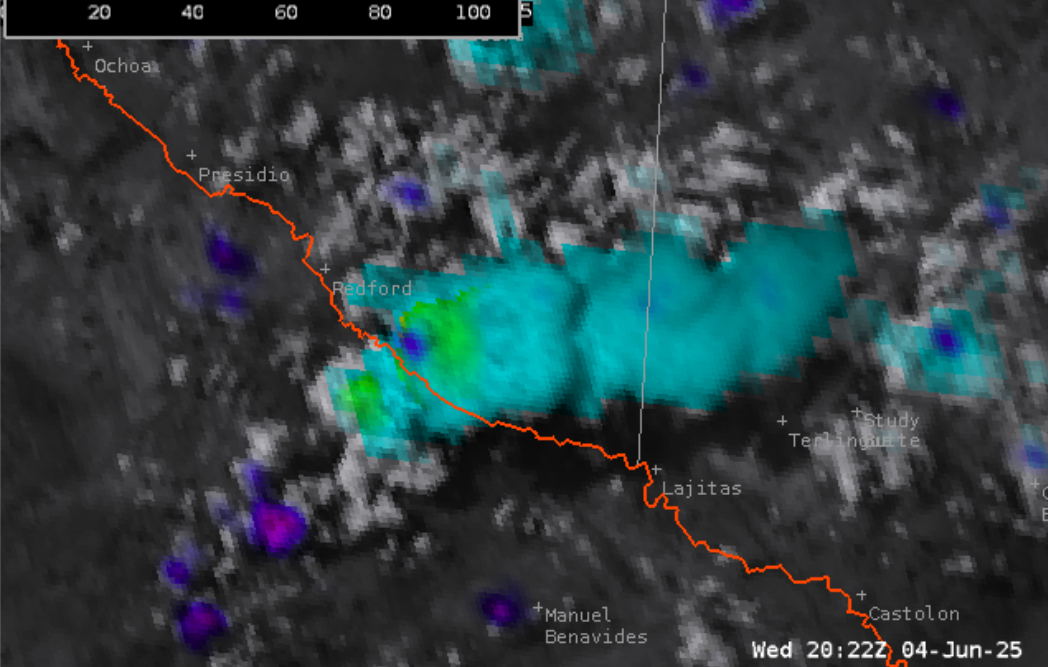
Figure 5: Octane Stoplight Color Curve (for Divergence)
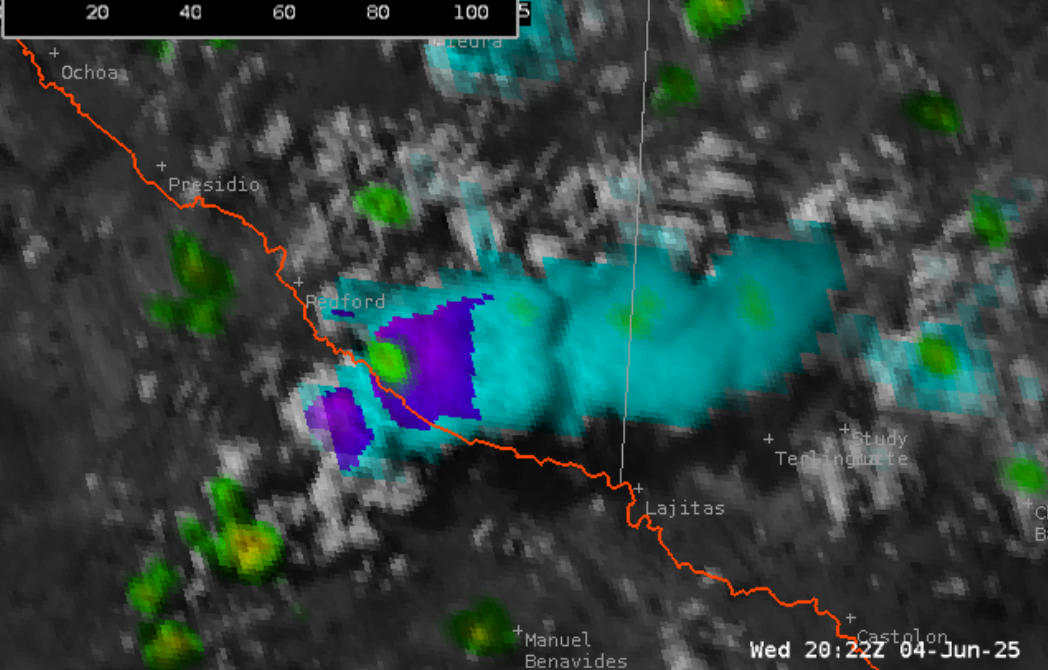
Figure 6: Octane Magenta Color Curve (for Divergence)
-Fropa