


For more than 60 years, NSSL researchers have been taking to the field to study tornadoes and severe weather.
Official websites use .gov
A
.gov website belongs to an official government
organization in the United States.
Secure .gov websites use HTTPS
A
lock (
) or https:// means you’ve safely connected to
the .gov website. Share sensitive information only on official,
secure websites.
For more than 60 years, NSSL researchers have been taking to the field to study tornadoes and severe weather.
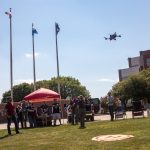
The NOAA National Severe Storms Laboratory (NSSL) hosted its inaugural NSSL Science and Engineering Day recently, gathering lab staff for a full day of reflection, discussion and collaboration. With a focus on appreciating the history and achievements of the lab while also casting a vision for the future, the event gave lab staff a unique opportunity to share, collaborate and think about the future of NSSL.
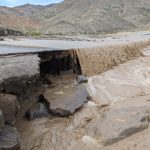
As Tropical Storm Hilary made landfall in California and affected the southwestern United States, researchers at the NOAA National Severe Storms Laboratory (NSSL) stepped into action, using a cutting-edge tool to lend support to forecasters.
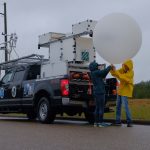
Researchers prepare to launch an experimental weather balloon on April 5, 2022, near a storm in Greenville, Alabama. (NOAA) This winter has brought multiple rounds of devastating severe weather to the southeastern U.S., with more…
For more information, visit noaa.gov.
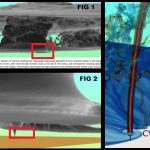
This paper reports elucidates three-dimensional features thought to play an important role in creating and maintaining the tornado vortex.
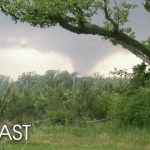
Tornadoes will be the target as researchers spend two months in northern Alabama collecting data during VORTEX-SE.
VORTEX2 was the largest tornado research project in history, logging more than 25,000 miles per vehicle in 2010!
The VORTEX project in the mid-1990s revolutionized tornado research and forecasting.
Weather and Forecasting: Early Online Release Tornado Warning Decisions Using Phased Array Radar Data Authors: Pamela Heinselman, Daphne LaDue, Darrel M. Kingfield, and Robert Hoffman The 2012 Phased Array Radar Innovative Sensing Experiment identified how…