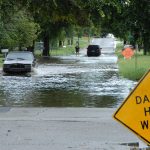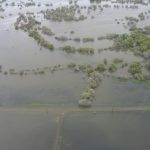
Flash flooding is the deadliest hazard associated with severe thunderstorms and are one of the hardest to predict. NSSL is hard at work developing new tools and technologies to equip forecasters to issue better, faster warnings and keep you safe.
Category: Flooding
RADAR CLUES: New Technique To Help Forecasters Predict Downbursts
NSSL is testing a radar-based technique that spots areas of cold, dense air inside thunderstorms — a key signal for potential downbursts. These bursts of strong, damaging wind can happen fast, especially during summer storms in the Southeast and Southern Plains.
NSSL using tornado tools to study post-wildfire flash floods and debris flows
You likely know the NOAA National Severe Storms Laboratory (NSSL) for its tornado research or radar developments, and its support of the National Weather Service (NWS) mission. However, you may not know the lab has…
Warn-On-Forecast Hits Milestone: Runs Three Domains at Once
For the first time, the NOAA National Severe Storms Laboratory’s Warn-on-Forecast System (WoFS) has successfully run short-term forecasts for three geographic areas at once—predicting severe weather, winter weather, and fire weather. The historic milestone demonstrates…
NSSL celebrates Science and Engineering Day
The NOAA National Severe Storms Laboratory (NSSL) hosted its inaugural NSSL Science and Engineering Day recently, gathering lab staff for a full day of reflection, discussion and collaboration. With a focus on appreciating the history and achievements of the lab while also casting a vision for the future, the event gave lab staff a unique opportunity to share, collaborate and think about the future of NSSL.
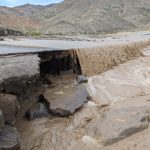
NSSL offers cutting-edge support as Tropical Storm Hilary makes landfall in California
As Tropical Storm Hilary made landfall in California and affected the southwestern United States, researchers at the NOAA National Severe Storms Laboratory (NSSL) stepped into action, using a cutting-edge tool to lend support to forecasters.
Flash floods will increase across the United States, new research suggests
New climate modeling research shows heavy rainfall events will cause more frequent and stronger flash floods by the end of the century, especially in the southwest and central United States. NOAA National Severe Storms Laboratory…
How NSSL research provides real-time precipitation estimations and flash flood prediction for high-impact events
Flash flooding — the rapid rise of water in a normally dry area — is mostly related to excessive rainfall resulting in significant groundwater runoff and quick rises in waterways. NOAA National Weather Service forecasters rely on accurate quantitative precipitation estimations.