


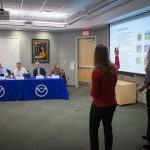
Weather models are the basic building blocks of a forecast. Researchers leverage machine learning techniques in an effort to improve these tools.
Official websites use .gov
A
.gov website belongs to an official government
organization in the United States.
Secure .gov websites use HTTPS
A
lock (
) or https:// means you’ve safely connected to
the .gov website. Share sensitive information only on official,
secure websites.
Weather models are the basic building blocks of a forecast. Researchers leverage machine learning techniques in an effort to improve these tools.
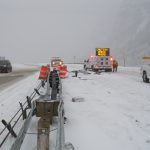
A team of scientists is working on ways to better forecast potentially dangerous winter weather to cut down on these impacts to travelers.

Twenty-five years ago today, NSSL joined the information superhighway with the creation of the lab’s first website in November 1994.

The American Meteorological Society announced the 2020 award and honor recipients.
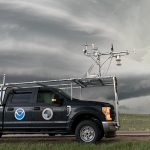
A team of scientists from NOAA and the University of Oklahoma are heading to Florida to collect weather data during the landfall of Hurricane Dorian.
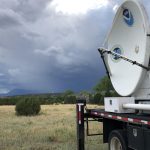
To find ways to better protect people from flash floods, researchers are spending this summer evaluating methods of observing rain and flash floods.
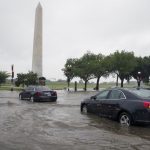
Floods and flash floods kill more people each year than any other severe weather hazard. And a few extra minutes of notice can make a big difference — reducing deaths and economic loss. This is…
Two NOAA National Severe Storms Laboratory researchers were recently recognized for their outstanding achievements in research and outreach.
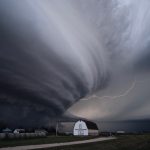
After 32 days on the road, 19 supercell storms and at least eight tornadoes, researchers expect results from a recent field project.
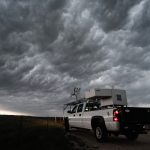
The LiDAR team collects observations for TORUS, utilizing the device to track how quickly all the dust, dirt and particles move in the atmosphere.