


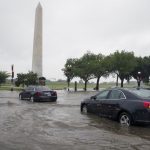
Floods and flash floods kill more people each year than any other severe weather hazard. And a few extra minutes of notice can make a big difference — reducing deaths and economic loss. This is…
Official websites use .gov
A
.gov website belongs to an official government
organization in the United States.
Secure .gov websites use HTTPS
A
lock (
) or https:// means you’ve safely connected to
the .gov website. Share sensitive information only on official,
secure websites.
Floods and flash floods kill more people each year than any other severe weather hazard. And a few extra minutes of notice can make a big difference — reducing deaths and economic loss. This is…
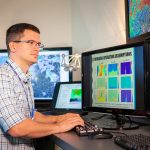
Two NOAA National Severe Storms Laboratory researchers were recently recognized for their outstanding achievements in research and outreach.
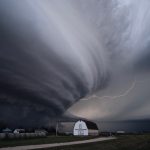
After 32 days on the road, 19 supercell storms and at least eight tornadoes, researchers expect results from a recent field project.
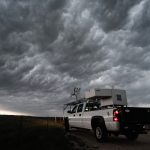
The LiDAR team collects observations for TORUS, utilizing the device to track how quickly all the dust, dirt and particles move in the atmosphere.
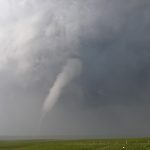
Targeted Observation by Radars and Unmanned Aircraft Systems of Supercells, or TORUS, will be discussed during a news conference and open house.
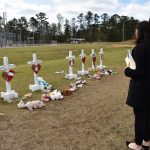
A societal impacts researcher meets with those involved in alerting the public when tornadoes are near and locals who were personally impacted.
Severe weather alerts like tornado warnings are aimed at keeping people safe during a storm. But how do people in the path of storms use alerts?
For Women’s History Month in March, we are highlighting some of NOAA’s National Severe Storms Laboratory women scientists and their current research.

In honor of Women’s History Month, we are highlighting some of NOAA’s National Severe Storms Laboratory women scientists and their current research.
A new book highlights the biggest technological upgrade to Doppler radars since first installed – dual-polarization technology.