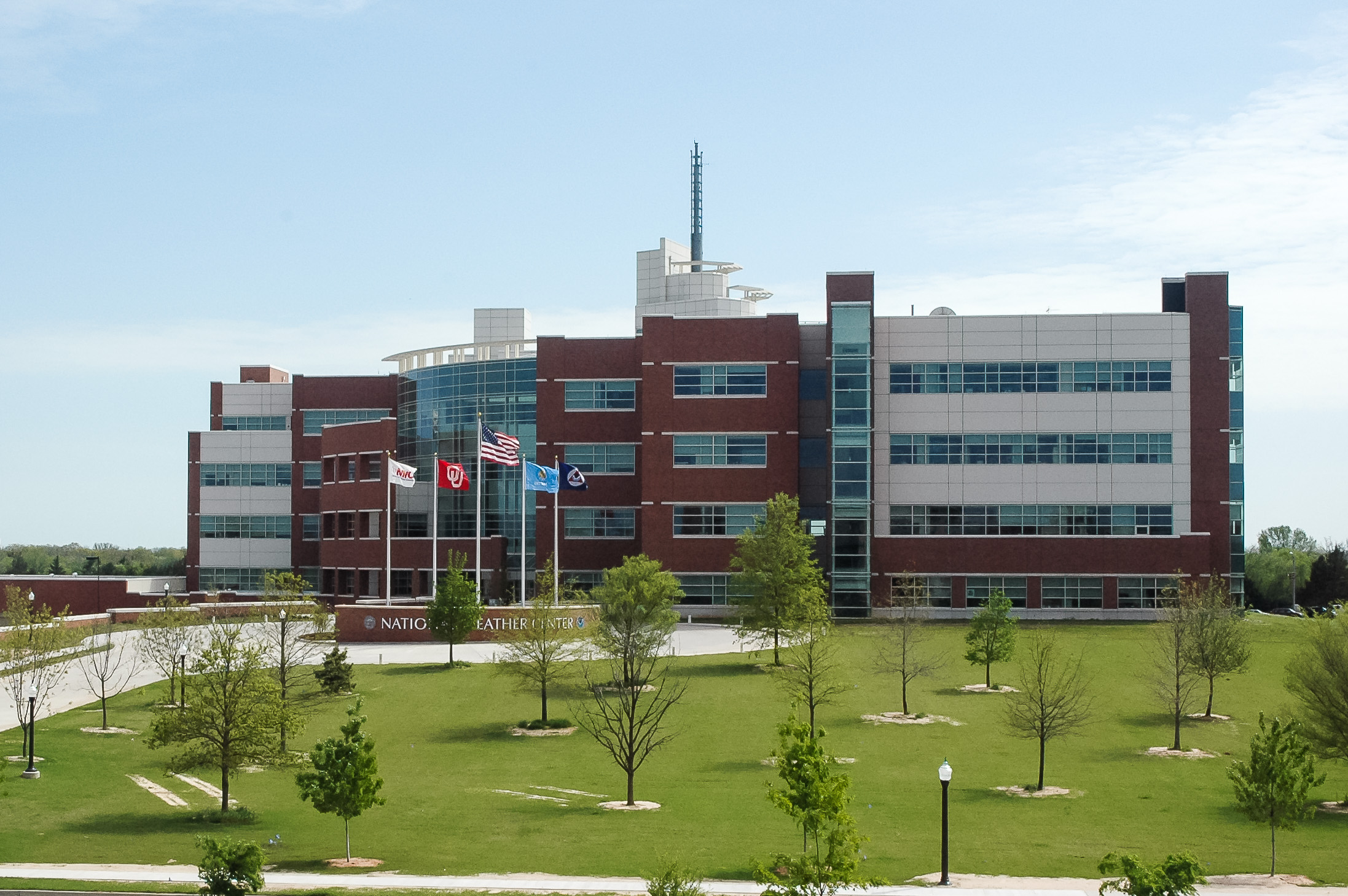
The NOAA Storm Prediction Center currently issues extended severe weather outlooks up to a week in advance. These critical forecasts shed light on where storms might form and what hazards might be possible.
But what if it were possible to forecast tornadoes and severe weather nine or ten days in advance? How about two to three weeks ahead of time?
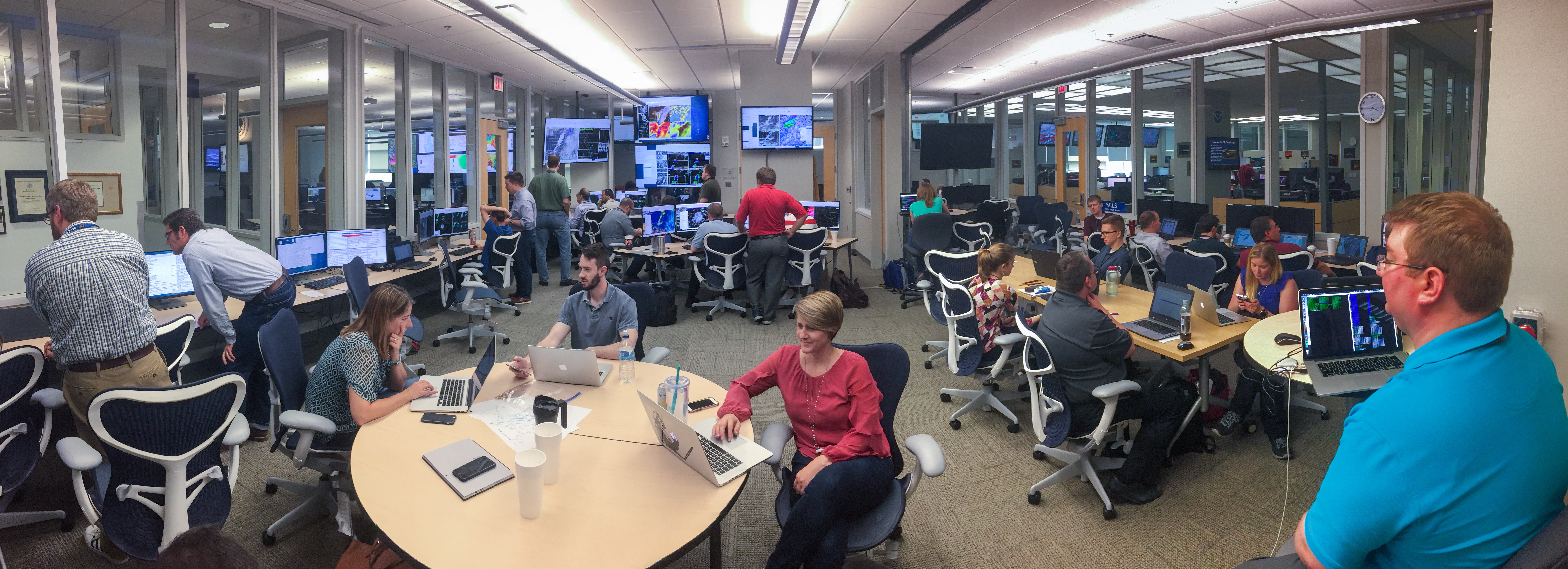
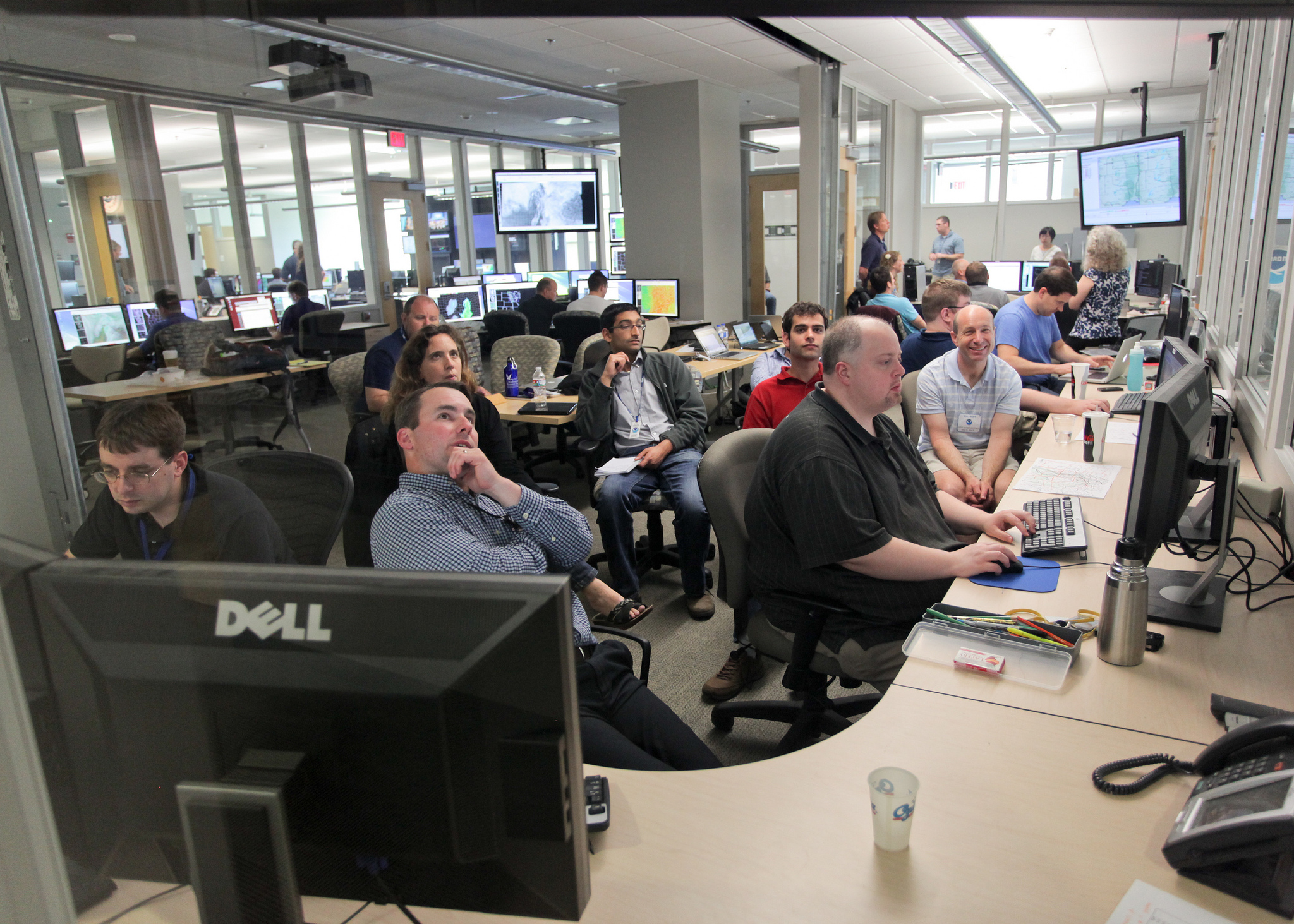
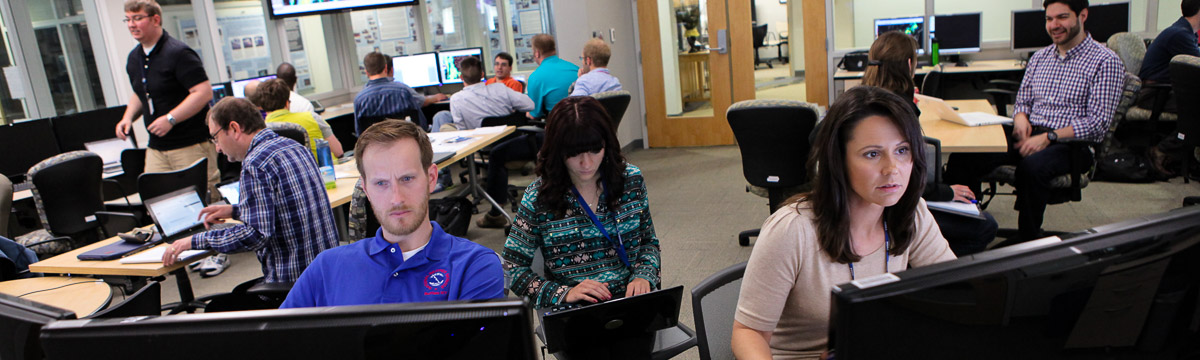
The Severe Weather Extended-Range forecasting and Verification Experiment (SWERVE) brings together a cross-disciplinary team of experts including researchers from NOAA laboratories and cooperative institutes, operational forecasters from the National Weather Service (NWS) and SPC, emergency managers and academic faculty to evaluate the current capabilities and skill of extended-range severe weather prediction.
The experiment’s core objective is to test how well existing operational numerical weather prediction models, along with emerging experimental forecast products, can forecast severe weather up to three weeks in advance across the contiguous United States. These efforts align with one of NOAA’s Critical Societal Challenges, extending forecast lead times for extreme weather events.
Preliminary results are promising. Consensus forecasts for weeks two and three have shown skill beyond what climatology would predict, effectively identifying periods of heightened severe weather risk across the U.S.
These results are a promising start to addressing NOAA’s longstanding research challenge in weeks two to four severe weather forecasting; a gap where no official National Weather Service guidance currently exists.
As the SWERVE pilot unfolds this spring, it represents a crucial first step in transforming the way NOAA and its partners forecast and communicate high-impact severe weather threats weeks in advance. With longer outlooks, communities can prepare earlier, make better decisions and better protect themselves from severe weather threats.